
Why you might need an osteopathic physician
If you’re searching for a new family physician, pediatrician or surgeon, and looking closely at their credentials, you might notice something confusing.
While the vast majority of the more than 905,000 physicians licensed in the United States have an M.D. after their name, about 92,000 of them instead have a D.O. That means that instead of attending a traditional medical school, that physician attended an osteopathic medical school and is now a doctor of osteopathic medicine.
Osteopathic medicine is a growing field. Three decades ago, there were only about 24,000 licensed osteopathic physicians. Even though D.O.s are more visible than ever, many people are still uncertain about what sets them apart.
Dr. Alissa Craft is an osteopathic physician and vice president of accreditation for the American Osteopathic Association. She says D.O.s complete many of the same requirements as M.D.s. Like future medical doctors, students of osteopathic medicine attend four years of medical school and complete a residency.
They also can be certified in all types of medicine, from pediatrics to surgery. That’s different from outside the United States, where osteopathy is a medical practice that is not always certified for all types of medicine.
What Does a D.O. Do?
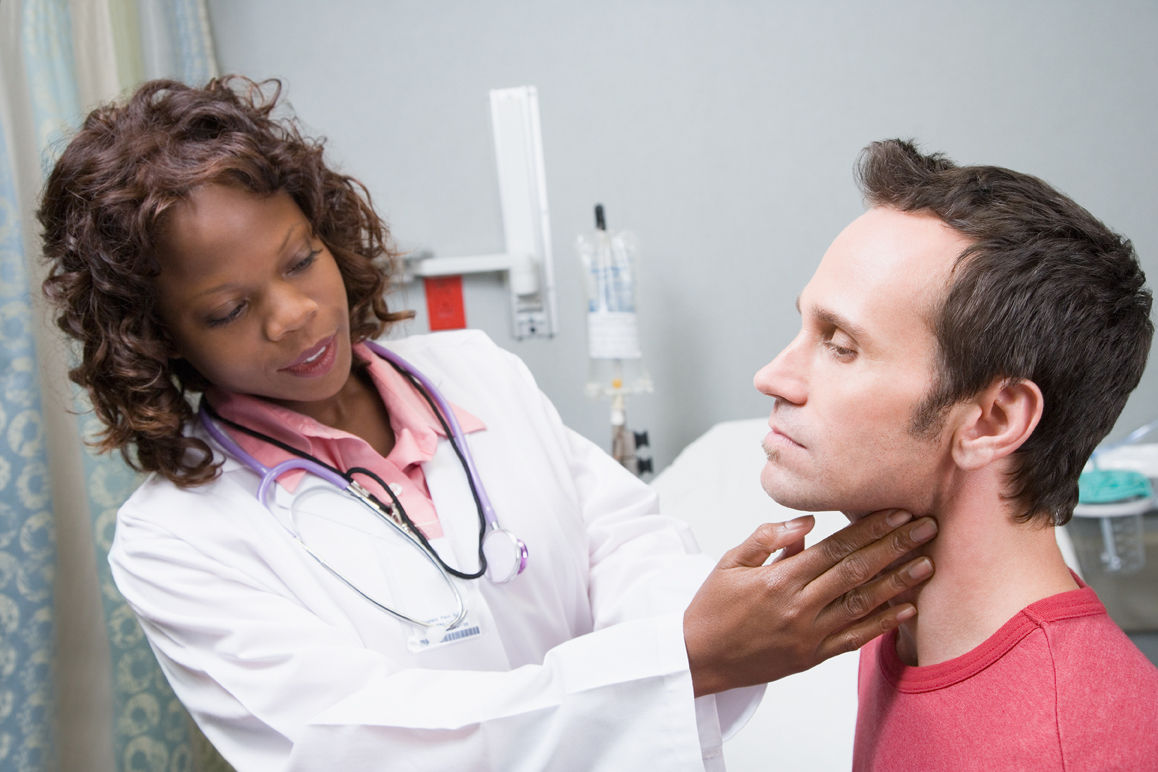
One big difference, Craft says, is that D.O.s are trained in something called osteopathic manipulative treatment, a hands-on technique that emphasizes moving the body to detect and fix problems.
“It’s how a doctor might feel a stomach, or the lymph nodes in the neck. Students who do osteopathic training spend more time on that,” she says.
Craft says osteopathic medical schools also focus on a more holistic look at a patient’s “mind, body and spirit.” She said that means learning more about a patient’s life to diagnose problems, rather than starting with symptoms.
“We spend a lot of time with students teaching them not to interrupt, to do more inquiry about what is going on for you, what the issues in your life are,” she says.
Which is Right for You?
Whether you see an M.D. or a D.O. comes down to your preference and the availability of doctors in your area, Craft says. Osteopathic medical schools are often located outside of major cities, so D.O.s may be more available in those areas.
“You, as a health care consumer, get to think about finding the right fit with your physician who is a partner in care for you—who you click best with and feel most comfortable with,” she says.
Standard insurance plans typically cover care from a licensed and board-certified D.O. in the same way they would with an M.D., though Craft says some insurance carriers may require additional documentation when filing a claim for a visit to a D.O.
A Growing Field
Craft says she expects American medical consumers see more D.O.s emerge in the marketplace as interest in osteopathic medicine grows.
And Craft says she expects more M.D.s will be looking to pick up some of the techniques practiced by D.O.s, particularly those focused on more comprehensive patient care.
“M.D.-trained individuals may want to adopt that, and we’re happy to share it,” she says.
“The most important thing any of us can do is take care of patients and families.”