
Why failures can boost kids’ confidence
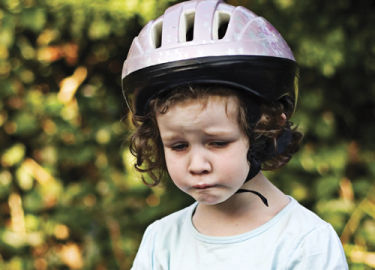
No one likes to lose. Whether you’re a child or an adult, failing at anything can be painful. And it seems we’re now so afraid of failure, everyone gets a trophy just for trying. It might be nice to call everyone a winner, but many psychologists say we can all learn a bigger lesson from losing.
Take the long view
In the moment, a win feels exhilarating. But research shows in the long run, losing can feel even better. It can help kids learn problem-solving skills and ways to deal with frustration, while also boosting their self-esteem, and even unleashing their creative side.
Lindsey Folk is an adolescent counselor with Doreen Zaborac and Associates in Tinley Park, Ill. She says setbacks with friends, sports and schoolwork help children learn how to deal with the emotions they feel when they fail. They develop skills for putting things in perspective, and looking at the bigger picture.
“It is a teaching moment, as children do not always accept or realize why a failure happened,” Folk says. “In turn, it is also a learning experience for parents. They should understand that how they handle failure will greatly impact their child.”
If a child fails a test, parents can ask why they think this happened, and what could they have done differently, she says. Let them do the majority of the talking, so they can work through their frustrations and come to their own realization about their actions. Don’t accuse them of not studying hard enough, but have a calm conversation about the reason for their failure. It encourages a more positive outcome next time.
“Speaking in a calm manner allows the child to think about how they could have done better,” Folk says. “Praising the effort, rather than the outcome, is a more positive approach in dealing with your child.”
Failures help us see strengths
Youth football coach David Klusacek has been encouraging kids for 23 years. The Oak Forest, Ill., coach says losing is a great learning tool for athletics, helping young players discover their best skills.
“I once had a player who really wanted to play quarterback, but his mechanics and abilities were not suited to play that position,” he says. “I knew he was discouraged after all the time he had put in, but after talking to him and letting him see for himself that his abilities were not there, he changed positions and went on to have a great season. He was determined, and his efforts turned the failure around.”
This ability to learn from mistakes and realize when we’re just not good at something actually builds our self-confidence, Klusacek says. Athletes can pick up on their shortcomings, and then turn their focus to the areas where they thrive. And that’s a prize bigger than any trophy.
“When I talk with my players after a loss, the first things we talk about are the positives of the game. I focus first on what we did well. Then I talk about the mistakes and what might have caused the loss,” Klusacek says. “I do the same thing with a win, so my players learn that we do the same thing when we win and when we lose. It helps them have a positive attitude about themselves.”