Which birth control is right for you?

More than 50 years after the pill revolutionized family planning, women can now choose from a host of birth control options. Dr. Lizabeth Brooks, of Cleveland Clinic’s Women’s Health Institute, says women can make decisions based on their own body and lifestyle, rather than deferring to a one-size-fits-all approach to contraception. “It’s definitely much more personalized than what it has been,” she says. “Whether you are busy and in-between children, or knee-deep in educational pursuits, right now is the best time to explore your options.”
Take a Pill
From low-hormone to hormone-free, monthly to continuous, women now have a wide range of oral contraceptives to choose from.
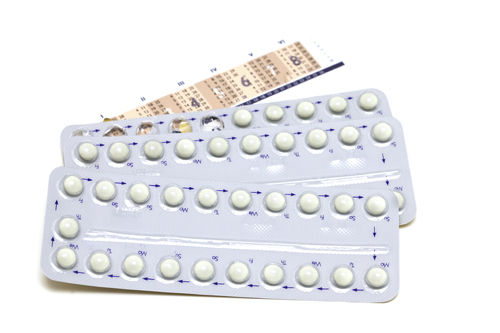
Classic Pill
Frequency: Daily.
How it works: You take one active pill daily for 21 days, then no pill or an inactive pill for seven days while you have your period.
Uses hormones? Yes
Upsides: Non-invasive, can clear up acne, reduce cramps, and lighten flow
Downsides: Mood swings, weight gain, having to remember to take it
Your options: Lower-hormone versions available. Progestin-only (“mini-pill”) versions available for women who for various health reasons can’t take estrogen.
Continuous Pill
Frequency: Daily
How it works: You take one active pill daily for three months, then an inactive pill for seven days while you have your period.
Uses hormones? Yes
Upsides: No period for three months, lightened flow, non-invasive
Downsides: Having to remember, bloating, weight change
Your options: Lower-hormone versions available
Making It Permanent
Of course, women can opt for a tubal ligation—“getting their tubes tied”— to permanently prevent pregnancy. But there’s another option available now.
Insert (brand name Essure)
Frequency: Permanent
How it works: A doctor places small nickel-titanium alloy inserts in each of your fallopian tubes. Tissue grows over it, eventually creating a natural barrier.
Uses hormones? No
Upsides: No maintenance
Downsides: In-office procedure, can’t change your mind, must use another form of birth control as the natural barrier forms
Warning: The insert is not a good option for women who are allergic to nickel, as they may have an allergic reaction.
Get It Implanted
Women who want to drop regular routines altogether are increasingly opting for the method Brooks calls the “new wave of the future”—implantable devices.
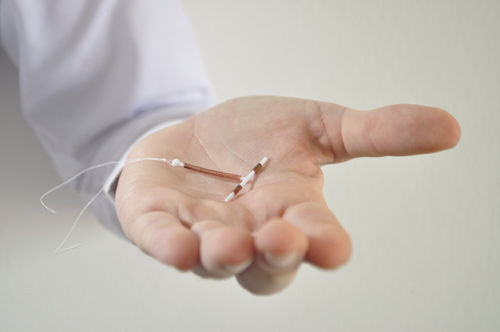
Intrauterine Device (IUD)
Frequency: Once every three to five years
How it works: Your doctor implants a small T-shaped device inside the uterus that slowly releases hormone-based medication.
Uses hormones? Yes
Upsides: Minimal to no maintenance, can be removed at any time
Downsides: In-office procedure, initial discomfort, possible rejection
FYI: Low-hormone only. Stops periods in most women
Copper IUD
Frequency: Once every 10 years
How it works: Your doctor implants a small T-shaped device that releases copper to bathe the lining of the uterus, preventing sperm from reaching and fertilizing the egg, and possibly preventing the egg from attaching in the uterus.
Uses hormones? No
Upsides: Minimal to no maintenance, can be removed at any time, fewer symptoms
Downsides: In-office procedure, initial discomfort, possible rejection
FYI: Will not stop your period
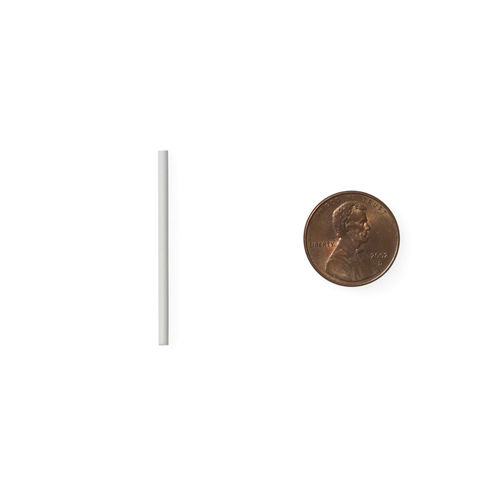
Under-skin implant
Frequency: Once every three years
How it works: Your doctor implants a small rod on the inside of your upper arm, which releases hormones.
Uses hormones? Yes
Upsides: Minimal to no maintenance, can be removed at any time, fewer symptoms
Downsides: In-office procedure, initial discomfort, possible unpredictable cycles
FYI: Will not stop your period
None of the Above
Not interested in taking a daily pill or having something implanted? Opt for these alternates.
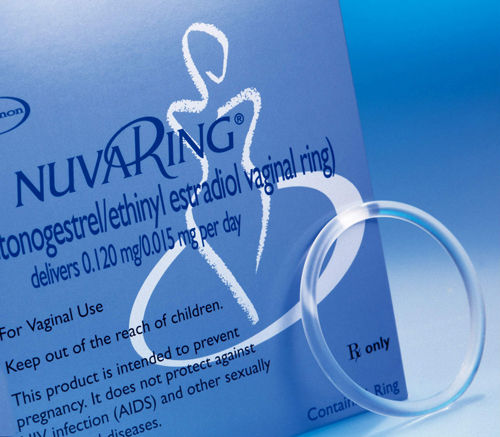
Vaginal Ring
Frequency: Monthly
How it works: You place it inside your vagina for three weeks and remove it the week of your period.
Uses hormones? Yes
Upsides: Can be removed any time, may reduce acne and cramping
Downsides: Some maintenance, spotting, breast tenderness
Period control: Can be used on a continuous basis to control when and how often you have your period.
Injection
Frequency: Every three months
How it works: A doctor gives you an injection.
Uses hormones? Yes: progestin only
Upsides: Simple, convenient
Downsides: Some maintenance, spotting, may cause bone-thinning, side effects may continue for three months after stopping
Warning: Not a good option if you want to get pregnant soon. It takes six to 10 months to wear off.
Patch
Frequency: Weekly
How it works: You place a small patch on your skin every week for three weeks, then go without for a week while you have your period.
Uses hormones? Yes
Upsides: Convenient, non-invasive, may reduce acne and cramping
Downsides: Some maintenance, spotting, breast tenderness, periods may not return for several cycles after stopping
Male birth control: How close are we?
In the not-so-distant future, women might not be the primary holders of contraceptive responsibility.
Researchers have been trying to develop a male birth control pill for years. A study published in late 2015 in Science magazine suggested that researchers are finding some success, at least in tests with mice.
The key seems to be control of a protein that helps in the creation of sperm. After a few days of taking a drug that blocks the protein, the male mice were infertile. And after a few days off, they were ready again to create baby mice.
But without any human trials, it’s too soon to know whether guys will be making a monthly pharmacy run.