What we can learn from animals
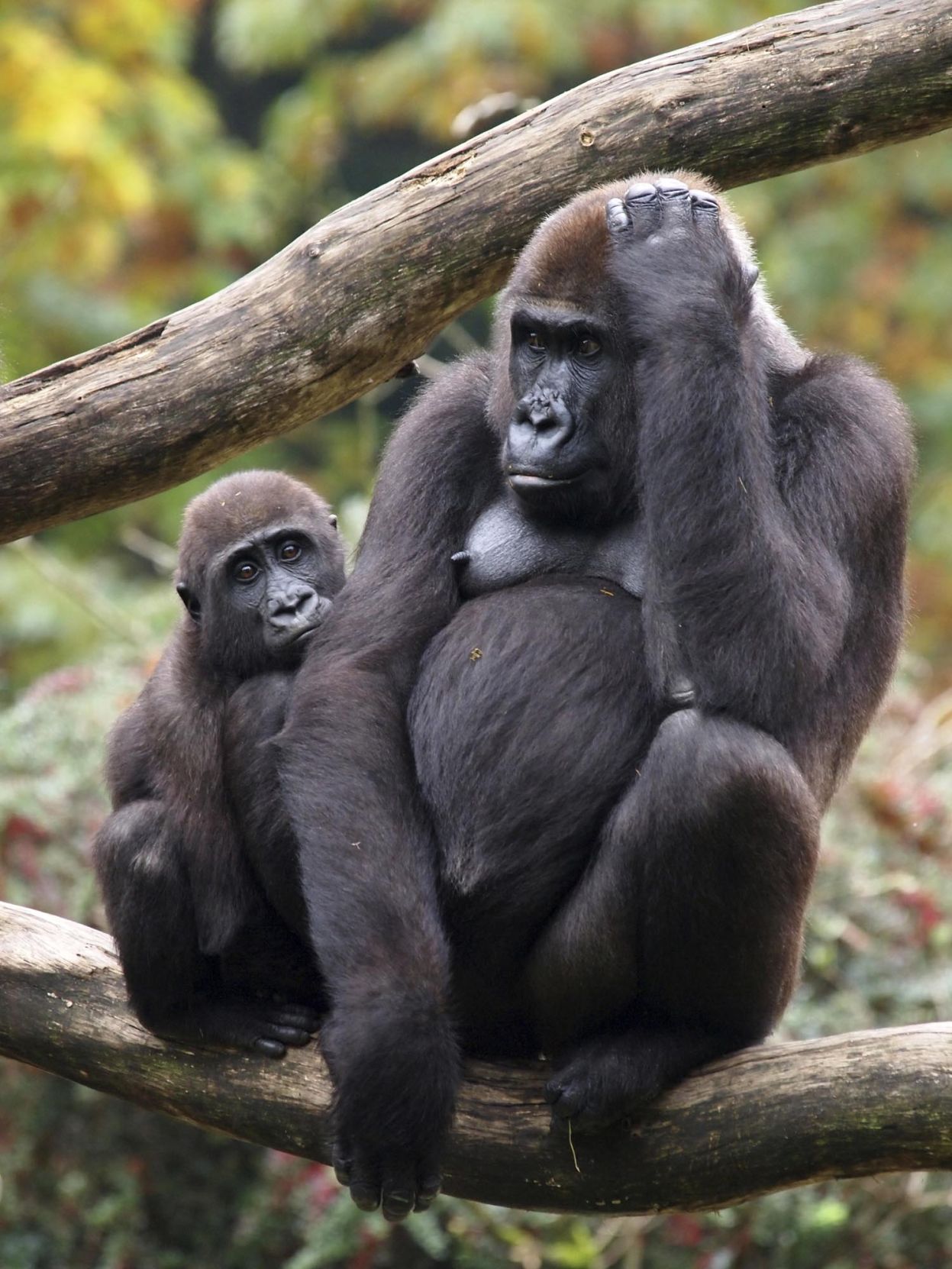
Ever feel so stressed, bored or alone that you become depressed? You’re not alone. Gorillas do, too.
As humans, we deal with difficult emotions on a daily basis. And though gorillas don’t have to manage pressure from a new boss or anxiety from a divorce, they have been known to show signs of depression after a loss or separation of their closest companions.
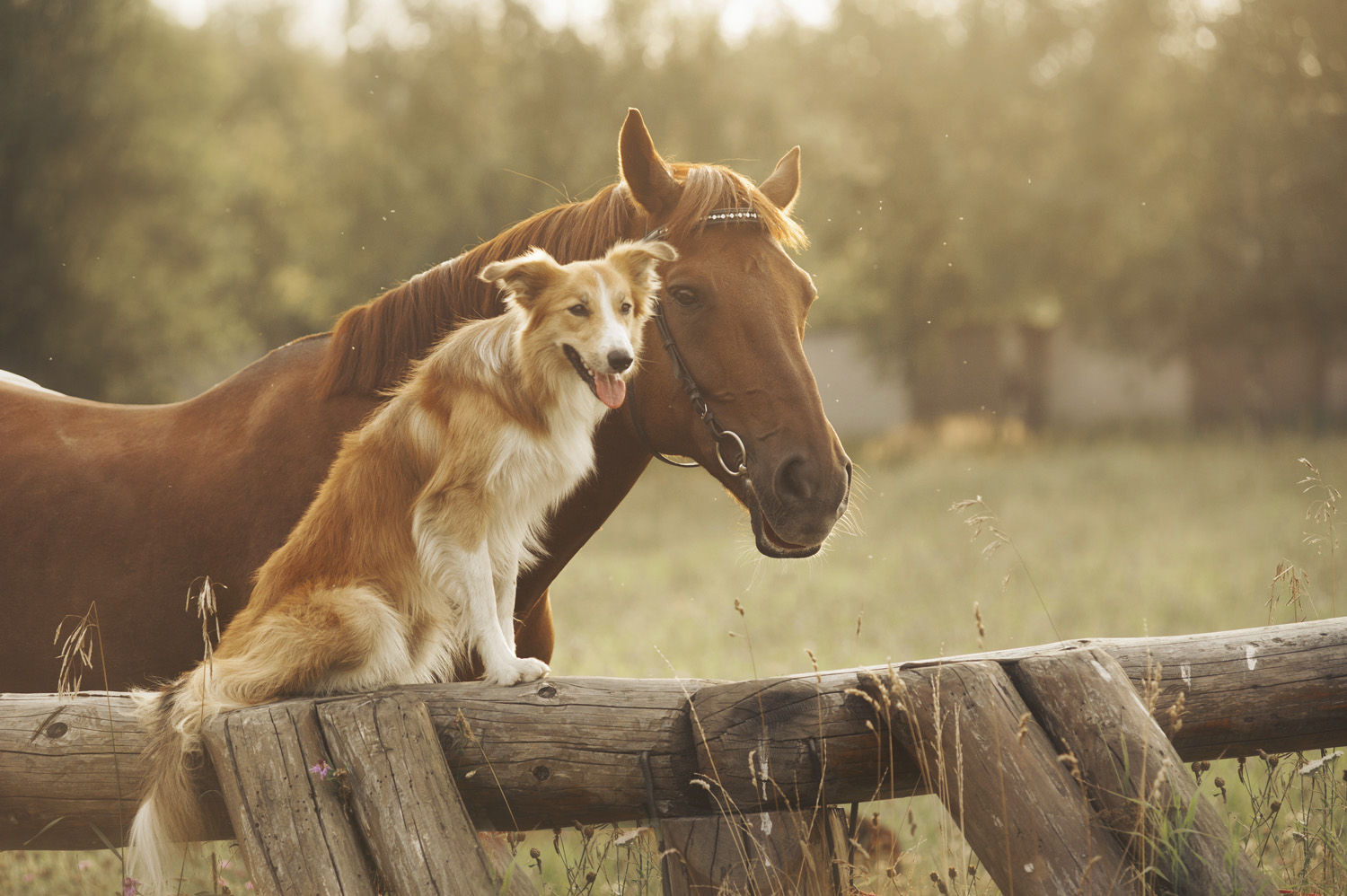
Studies have also shown that other animals, including dogs, birds, horses and cats, exhibit compulsive behaviors—even self-injury—that also are consistent with personality disorders in their human counterparts.
We know there is an overlap in which diseases both animals and humans can get. But if we take cues from what our furry friends go through, can we really gain insight to healing ourselves? Some experts think so. Through observation of animal behaviors and illnesses, they hope to learn more about these same conditions in humans and possibly prevent them altogether.
In plain sight
The connection between animal and human diseases is closer than we think, says Dr. Barbara Natterson-Horowitz, cardiologist and co-author of Zoobiquity: What Animals Can Teach Us About Health And The Science of Healing. Natterson-Horowitz has spent more than 20 years studying species-spanning diseases, and says she's found more similarities between species, both human and animal.
“I was unable to find a single diagnosis in a human being that wasn’t very, very similar in animals,” she says. “It’s one of those things that's hiding in plain sight.”
According to Natterson-Horowitz, observing animals and learning how we can help them with their illnesses, can help us unlock clues and solutions to our own diseases.
“With hundreds of billions of animals on the planet, there’s so much to learn from,” Natterson-Horowitz says. “We just love the idea of turning the lights on and looking across species and creating new conversations.
“The natural occurrences of normal processes or diseases in animals have so much potential for human medicine. It’s endless.”
A different treatment approach
Diseases and behaviors that span species include cancer, tumors, diabetes, sexual dysfunctions, self-injury, separation anxiety, sexually transmitted diseases and obsessive-compulsive disorder.
In her book, Natterson-Horowitz documents pigs with eating disorders, cocker spaniels with breast cancer, koalas with chlamydia and wallabies with drug addictions.
But mental illness takes the top spot as the most enlightening, she says. Because veterinarians can’t communicate with animals to find out what they’re thinking and how they feel, in the case of mental illness, they must instead rely on observation, and closely examine the animal’s environment.
Natterson-Horowitz says personality disorder is a common mental illness among animals, because they can get easily bored, isolated and stressed. But if you’re a pet owner, you can help them.
If you’re a farmer with a self-injuring horse, give them a food toy instead of a feedbag to alleviate boredom. Or introduce another animal to eliminate isolation.
“It’s a really interesting perspective for a self-injurer, a parent or psychologist,” she says. “It’s a different approach.”
An inherent bond
It’s impossible to deny the connection between animals and humans, Natterson-Horowitz says. And more worldwide initiatives are bringing together medical doctors and veterinarians to better understand both worlds and find answers to medical questions.
“Our concept of ourselves has been as separate, apart and superior to animals,” she says. “There is still a separation and sense of being special that many humans feel. But now there is an easing of that dichotomy. People are interested in animals, in loving animals, and have a willingness to see ourselves on a spectrum instead of a strict line of demarcation.”
Nonprofit organization One Health Commission strives to build on that interrelatedness. They focus on infectious diseases, animal-to-human disease transfer, and diseases that are common to both animals and people, including cancer, diabetes, heart disease, joint disease and epilepsy.
The organization also spotlights contemporary health issues such as obesity and antibiotic resistance. According to Dr. Roger Mahr, veterinarian and One Health Commission CEO, these conditions affect animals—particularly pets—as much as they affect people.
“We’re living in a changing environment that’s impacted by the interrelations of humans and animals,” he says. “We cannot be separated out. We need integrated solutions.”
Mahr says it’s important to consider a pet’s health as part of the whole family’s health.
“It’s understanding the value of the interconnection, but also seeing the importance of how keeping animals healthy impacts human health,” he says. “The dog is a model as many of these chronic diseases in dogs are similar, and in many cases identical, in people.”
And as genetics research continues to find more similarities between humans and animals, Mahr expects the desire for collaboration to grow.
“As science and technology continue to advance, that recognition is so important as we look to developing new approaches toward health and ways of prevention,” he says.