
Vets weigh in on raw pet foods
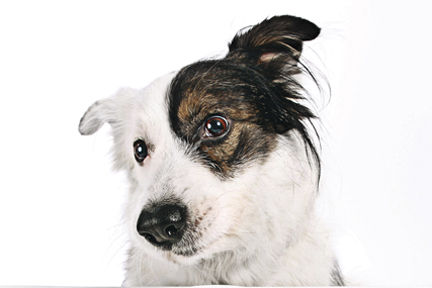
Diet fads aren’t just for humans any more, as our canine and feline friends are also getting into the game. Besides specially formulated diets and organic pet food, another diet trend on the rise is the raw pet diet.
Evidence shows the popularity of these diets—emphasizing raw meat, bones, fruits and vegetables—is on the rise. And the Internet is loaded with companies touting the benefits of raw diets for cats and dogs. But are these diets safe, or are we putting our furry friends at risk for health problems down the road?
Angeline King is a marketing assistant for Primal Pet Foods, a California-based company that sells an array of raw foods and treats for dogs and cats. She says improved digestion, shinier coats, more energy, even healthier teeth are some of the benefits of a raw pet diet.
Matthew Koss, owner and founder of Primal Pet Foods, says the philosophy of the diet is “getting dogs and cats back to consuming food as they would in the wild.”
King says Primal uses 100% human-grade ingredients, and that all its poultry, meat and game are antibiotic and steroid free without added hormones. The ingredients, she says, are sourced from USDA-inspected facilities and facilities regulated by the FDA, which helps add to a company’s credibility.
“Not every raw company is going to have high integrity practices,” she says.
Though these natural ingredients sound great on paper, not everyone supports a raw pet diet. The American Veterinary Medical Association has recently taken a stand against the diets, and has issued a policy warning of the dangers.
Dr. David Chico is chairman of the Council on Public Health and Regulatory Veterinary Medicine for the AVMA. He says the diets are healthier because the food is not processed. But the council doesn’t support them because of the potential negative effects they have on animals and humans.
Most raw meat has some bacterial contamination—from salmonella to E. coli—associated with it, Chico says. And while it may or may not make an animal sick, that animal can spread the bacterial contamination to humans. It can be spread through the animal’s feces and even through a pet’s fur, he says.
“They may become exposed inadvertently, not knowing there’s a risk there,” Chico says.
In 2011, a small amount of salmonella was detected in one of Primal Pet Foods’ poultry products, and the product had to be recalled. After the incident, King says the company instituted a cold water High Pressure Processing technique to safeguard future batches.
“We haven’t had any problems since then,” she says.
But any risk of contamination, no matter how small, is not worth it, according to Chico. He doesn’t think there are any benefits of raw pet food diets.
“The people who support the use of raw diets feel that it does incredible things for their pets—keeps their teeth healthier, makes there allergies less severe,” he says. “But there is no scientific research to support those claims that I’m aware of.”