
The real solution for fidgeting kids
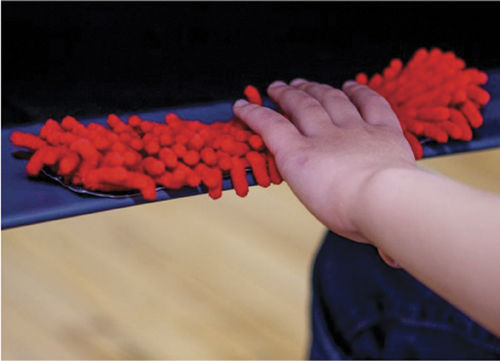
Drumming fingers on a table, peeling labels off bottles, tipping back in a chair, twirling hair—people, and especially kids, fidget in all different ways. Getting kids to sit still can be a battle, but is it one worth fighting? The answer might surprise you: Experts say the key to countering fidgeting is to get children to move more, not less.
Fidgeting isn’t necessarily bad, says Loren Shlaes, an occupational therapist in New York City.
“What I think is a bad thing is an expectation that children should be able to sit still for long periods,” she says. “(Fidgeting) is often a symptom of distress or that something is not quite right. The human body is made to move.”
Sometimes fidgeting is a symptom of an underlying issue such as attention deficit hyperactivity disorder, obsessive-compulsive disorder or autism. But if your child doesn’t have other signs and symptoms associated with these disorders, you should look at other causes.
Anxious for an answer
To find the source of the fidgeting, take a look at your child’s environment, health and activity level. Some children fidget because they have poor postural stability, lacking the strength in their spine and trunk to sit up for long periods, Shlaes says. They may also have issues with their vestibular system, which helps regulate balance and can affect alertness.
Some kids have issues with a spinal galant reflex, which causes the hips to move involuntarily when there’s pressure on the lower back. That can make it harder for them to sit in a chair.
Poor spatial awareness and a poorly developed vestibular system even causes some young children to fall out of their chairs, says Angela Hanscom, a pediatric occupational therapist in Barrington, N.H., and founder of TimberNook, a nature-based program that provides opportunities for children to explore and play in the outdoors.
Many play movements can help develop spatial awareness, including spinning on a swing, rolling down a hill, dancing and hanging upside-down.
“Spinning is a powerful therapeutic tool that helps with attention and spatial awareness,” Hanscom says.
Get Outdoors
Recess and afterschool clubs and sports might seem like enough activity to work out the wiggles, but Hanscom says kids need more. Children should really have hours of daily outdoor play time. Many parents find it helpful to take kids to the playground before school, Shlaes says. It also helps to make sure your child has eaten well and gotten a good night’s sleep.
If your child has a tough time getting all their homework done in one sitting, make sure they take breaks to release energy. Have foam noodle swordfights, spin on office chairs or run around the block—whatever it takes.
If you’re on a tight schedule, or you need a quick fidget fix, give your kids small toys, crayons or craft projects to keep their hands occupied.
But above all, think about making more time for movement, Shlaes says.
“Kids need to move,” she says. “They need to have outside time every day.”