
The ins and outs of microchipping your pet
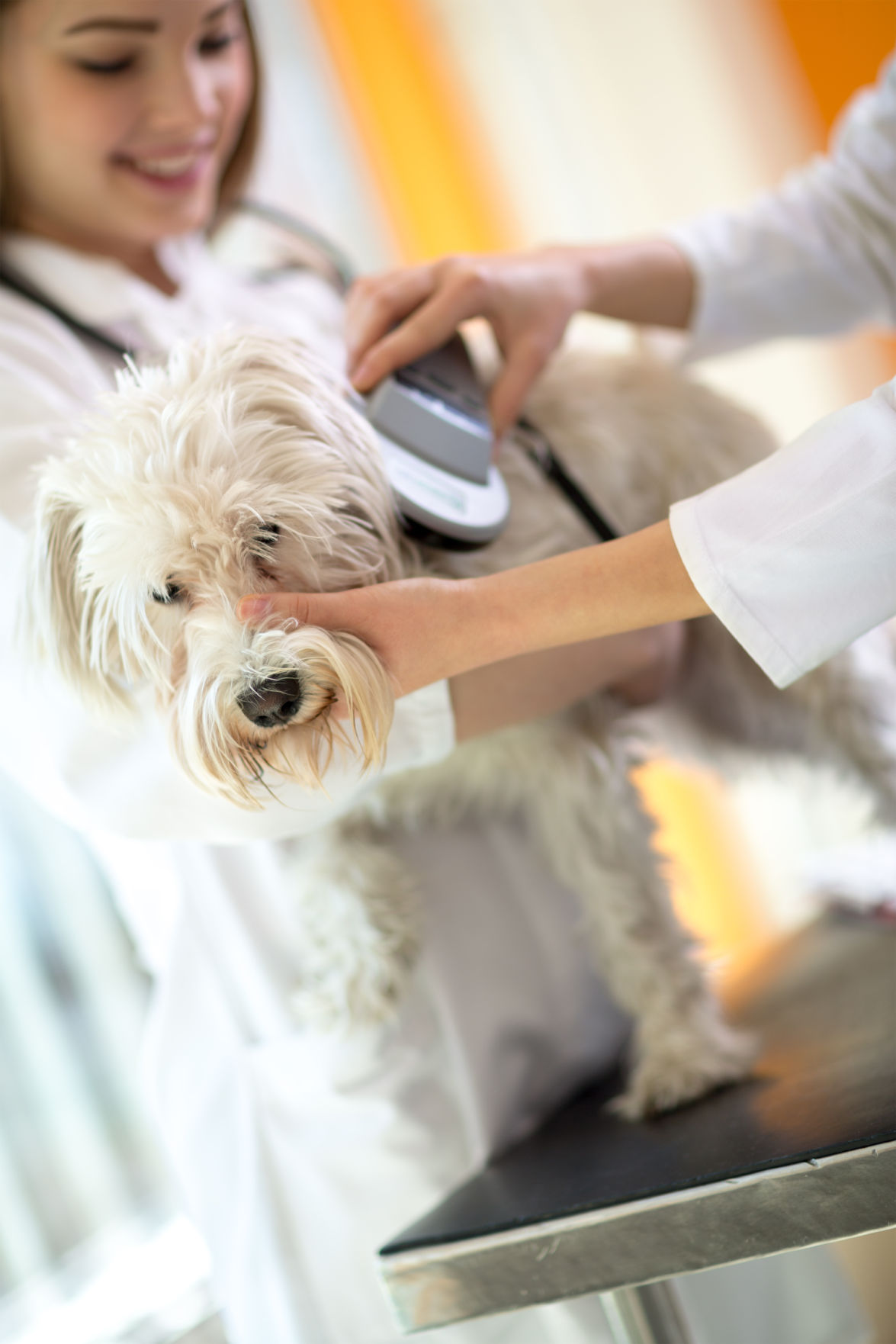
When a dog or cat turns up at the shelter, it’s Joy Kealy’s job to try to track down its owners.
And when Fido or Fluffy has a tiny, invisible chip tucked under its fur, it’s a far easier task. Kealy, who runs the lost-and-found program at Western Pennsylvania Humane Society, had arranged plenty of unexpected reunions, thanks to pets carrying a microchip with information about their owners.
“It’s been a godsend for getting animals reunited with their owners,” Kealy says. “I have so many stories. One cat in here had a microchip in it. We traced it to a shelter in Texas. I called (the shelter), and it wanted its cat back.”
Microchipping is now common practice at many animal shelters around the United States. But animal welfare organizations and veterinarians say the numbers are still low, and many pets and owners could benefit by joining the trend.
How It Works
Implanting the microchip, which is about the size of a grain of rice, only takes about five minutes. A veterinarian inserts the chip with a large-gauge needle, usually between the animal’s shoulders.
Once it’s in, the chip is typically good for life. And it’s often inexpensive; Kealy says the rate at the Western Pennsylvania Humane Society is $29.
Dr. Todd Blauvelt, a veterinarian and the medical director at the Western Pennsylvania Humane Society, says the process is often done when an animal is placed under anesthesia to be spayed or neutered, or for another procedure.
The chip itself doesn’t have a battery or a way to transmit or pick up information, like a GPS—a common misconception, Blauvelt says. Instead, it contains information that can only be picked up with a specific scanner. The information on the chip, typically the owner’s name and contact, is displayed on the scanner’s screen.
Blauvelt says it is possible to track your cat or dog with GPS, but it won’t be attached to the microchip.
“The only way you can do it is on the collar,” he says.
Go Beyond the Chip
While the microchip can be an invaluable tool, the American Society for the Prevention of Cruelty to Animals recommends pet owners use it in combination with other identification: a collar and personalized ID tag. Many shelters and police departments now have microchip scanners, but a more visible identification could be more useful to others.
Kealy and Blauvelt say it’s also important for pet owners to keep the information that’s saved in the microchip up to date.
“The microchip is only as good as the database,” Kealy says. “If you move or change your phone number, it puts us on a wild goose chase.”
While there’s currently no single database for all microchipped pets, shelters that can scan for chips can figure out what brand the chip is and search that company’s database. More often than not, they’re able to figure out where the pet came from.
Without the chips, Kealy says it can often be a very different story for lost pets. Take a recent Sunday when two dogs without microchips ended up at they shelter.
“We’re just sitting here holding them for 48 hours,” she says. “If they’d had microchips, they would go home on Sunday. (The microchip) just makes life so much easier, and less stressful for the animal, who doesn’t have to sit at a shelter, waiting for its owner.”