
Decluttering Space and Mind
Eliminating excess is good for your health
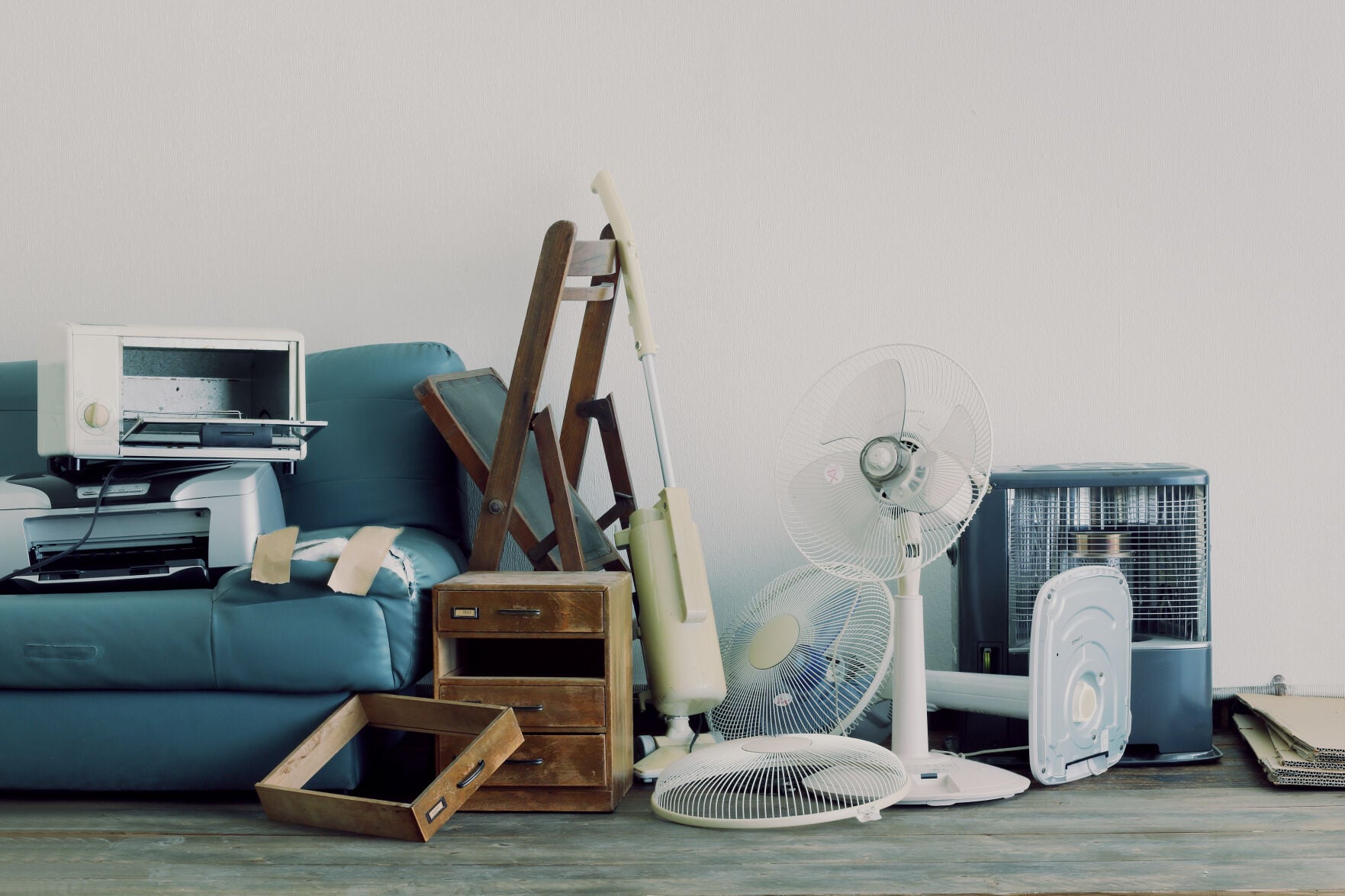
The second law of thermodynamics states that in a closed system, entropy — a state of randomness or uncertainty — will always increase. In straight talk, this means all things trend toward disorder.
In our dwellings and offices, the result of this downward trend is clutter; and decluttering — the act of restoring order to a space — requires effort. But with a few simple strategies, decluttering and its associated well-being benefits can be achieved.
The act of decluttering can help restore not only the cleanliness and order of a room or space, but help move the mind and even the individual themselves into a better space.
Emotional Toll
Clutter can make a space feel chaotic, scattered and confusing, which can affect physical and mental health. Think of the stress associated with not being able to find car keys, wallet, reading glasses or phone. Not only is time lost searching for these items, but a person typically feels frantic and frustrated while doing so, especially if they are already running late.
“With clutter, we experience stress, anxiety and a sense that we are out of control of our interior environment,” says David Hall, founder of A+ Clutter Clearing. “Seeing piles of magazines, bills, papers, laundry and holding onto unsorted garage items hems us in and makes us feel small and simply out of control.”
Clutter’s presence is often the result of postponed decisions, and it can lead to more dire consequences than a moment of stress. It can impact personal relationships, diminish careers, and can contribute to physical and mental illnesses.
A big contributor to these postponed decisions that lead to clutter is fear.
“There can be fear of making a mistake, offending someone, being irresponsible, forgetting something or getting rid of something and wanting it back,” says Barbara Hemphill, an author and founder of the Productive Environment Institute. “But the biggest stumbling block is going through the emotion of letting go.”
Hall says people often purchase bins and organizers before purging their belongings. He advises purging first, see what goes where, then purchase only what is required to hold what’s left. It’s possible to recover 20%-30% of a room’s space simply by getting rid of unwanted and unnecessary items, he adds.
One common mistake is beginning with too ambitious of a decluttering project, Hall adds.
“The solution is to start small and see results,” Hall says. “Just one newly designed drawer, shelf or cabinet helps build momentum to try and tackle another drawer, shelf or room.”
Once a counter or desktop is cleaned, the job is not truly done. The real work and health benefit comes from making a clutter-free environment a lifelong habit.
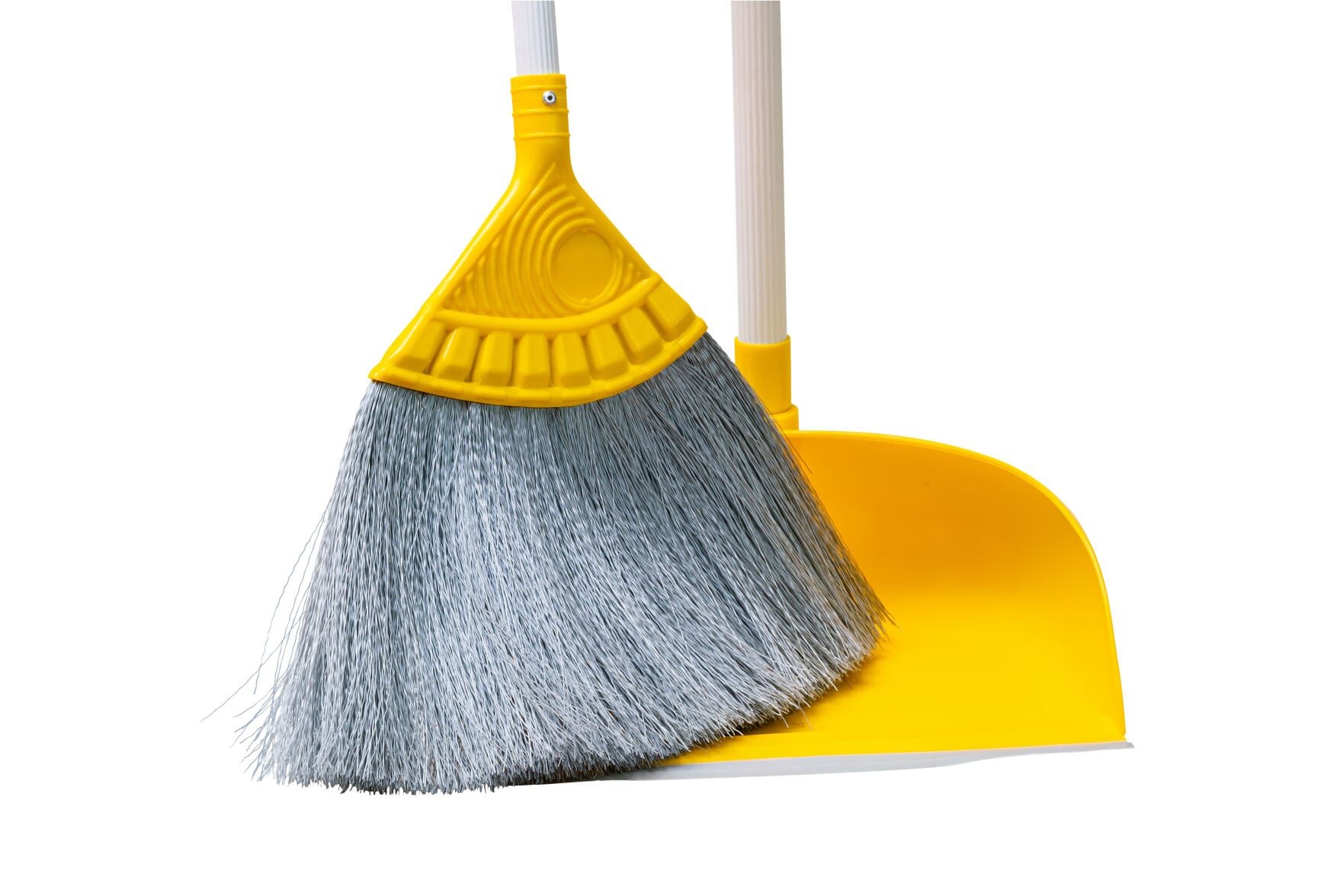
Spring Sweep: Warmer weather and longer days mean it’s time for a deep cleaning
By Community Health Staff
When the weather starts warming up and windows are opened again, the fresh air often brings spring cleaning to mind. Don’t let the thought of cleaning from top to bottom become overwhelming. With just a few supplies and a few tips, the annual deep clean can be less stressful and make maintenance cleaning easier.
Tune In. Start with a playlist. Music can make any job more enjoyable. Pick some of your favorite upbeat tunes, put on the headphones and get moving!
Declutter. If spaces need to be cleared, tackle that job first. Have strong garbage bags and boxes on hand, and divide items into what will be kept, what can be donated and what must be thrown away.
Assess the situation. Walk through your space and prioritize what needs to be cleaned first and what can wait. Pace yourself and allow extra time for each area.
- Plan out things like cleaning curtains; it doesn’t all need to be done at once.
- Don’t forget about items like emptying and cleaning the refrigerator (including the top). Now is also a good time to check expiration dates as you clean.
- Consider changing air filters and cleaning dryer vents if needed.
- Remember to test smoke and carbon monoxide detectors and change batteries if needed. Testing should be done regularly.
Many hands. Recruit family members to help. Everyone contributes to the mess, so it makes sense that everyone should participate in the cleaning. Make sure everyone understands their job and can tackle it safely.
The right stuff. Once you know what areas need attention, make sure you have the right tools on hand. A good multipurpose cleaner that can work on different surfaces is key.
Make it routine. Once the spring clean is complete, create a plan for maintenance cleaning that is manageable. Spending a few minutes each day on specific items can help avoid becoming overwhelmed.