
The good, the bad and the cloggy: What anyone can do to reduce the risk of high cholesterol
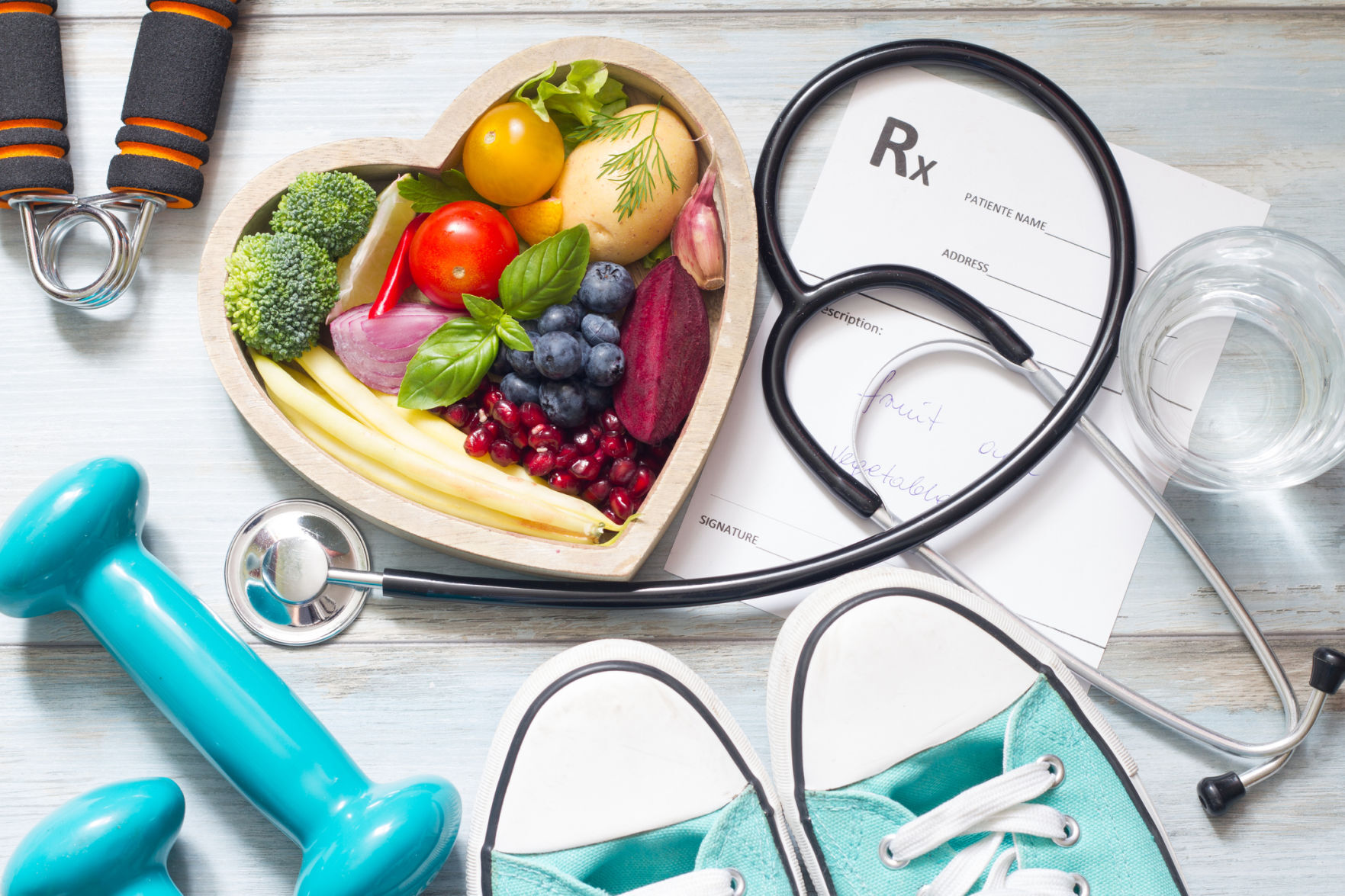
Cholesterol — everyone has heard of it. They may know that lowering it is typically the goal. And high cholesterol is bad for one’s health. But what is cholesterol, exactly?
There are two key types of cholesterol, according to the Centers for Disease Control and Prevention (CDC). And the first, blood cholesterol, is actually a necessity. The CDC describes it as a waxy, fat-like substance made by the liver. Blood cholesterol is essential to human health because the body needs it to perform tasks such as producing hormones and digesting fatty foods.
The thing is, the body makes all the blood cholesterol it needs, which is why experts recommend eating as little of the other type — dietary cholesterol — as possible. Dietary cholesterol is found in “animal foods,” such as meat, seafood, poultry, eggs and dairy.
There is evidence that eating less dietary cholesterol reduces one’s risk for cardiovascular disease. In the body, cholesterol can become plaque and build up along arterial walls, narrowing arteries and disrupting blood flow. People are at greater risk for high cholesterol if they are obese, or have Type 2 diabetes or certain other health conditions, according to the CDC. Lack of physical activity and smoking are other risk factors, and family history can have an impact.
Everyone’s risk for high cholesterol increases with age because as people get older the body has a tougher time clearing cholesterol from the blood, the CDC states. Women tend to have lower levels of low-density lipoprotein (LDL, or “bad”) cholesterol than men, at least until around 55 years old. The CDC states at all ages, men tend to have lower high-density lipoprotein (HDL or “good”) cholesterol than women.
The good news is that no matter one’s age or gender, people can take steps to keep their cholesterol in a healthy range. That generally means making healthy choices such as eating healthy and managing health conditions.
To prevent high cholesterol, the CDC recommends limiting foods high in saturated fats. These are prevalent in cheeses, fatty meats and dairy-based desserts, as well as tropical oils. People should instead choose foods low in saturated fats, trans fats, sodium and added sugars. That means eating lean meats, seafood, fat-free or low-fat dairy, whole grains, fruits and vegetables. Food naturally high in fiber, such as oatmeal and beans, can help. So can foods containing unsaturated fats, such as avocado and vegetable oils.
People should also maintain a healthy body mass index. Adults should get 2 1/2 hours of moderate-intensity exercise (brisk walking or bicycling) every week, while adolescents should get at least one hour of physical activity daily. People can consider taking stairs instead of the elevator, parking farther away, walking to the store, and doing jumping jacks during commercial breaks to incorporate physical activity into their daily lives. Quitting smoking and limiting alcohol consumption are also recommended.
People with high cholesterol should take their medicine as directed, take steps to lower high LDL cholesterol levels, continue communicating on a plan with their health care providers, and check their cholesterol levels regularly, the CDC states. All people should get their cholesterol levels checked at least once every four to six years if they do not have heart disease, according to the CDC. Some people may need to do that more or less frequently.
SIDEBAR
Hed: Steps to healthier living
Blue Cross Blue Shield of Michigan, which provides health insurance for Gratiot-Isabella Regional Education Service District employees, offers seven small steps people can make to see big changes in their health. Among the changes is controlling one’s cholesterol.
High cholesterol can contribute to the formation of artery-clogging plaque, which can make one more susceptible to heart disease and stroke. When people control their cholesterol, they give their arteries their best chance of remaining clear of blockages, according to Blue Cross Blue Shield.
Other recommendations are:
Managing blood pressure
Reducing blood sugar
Getting active
Eating better
Losing weight
Stopping smoking
The thing all of these have in common is that anyone can make the changes. Following the steps is inexpensive but can make a major difference in one’s health. Blue Cross Blue Shield recommends starting with one or two on the list and expanding the effort from there.