
Gardening’s Gifts
The benefits of growing your food extend far beyond the table
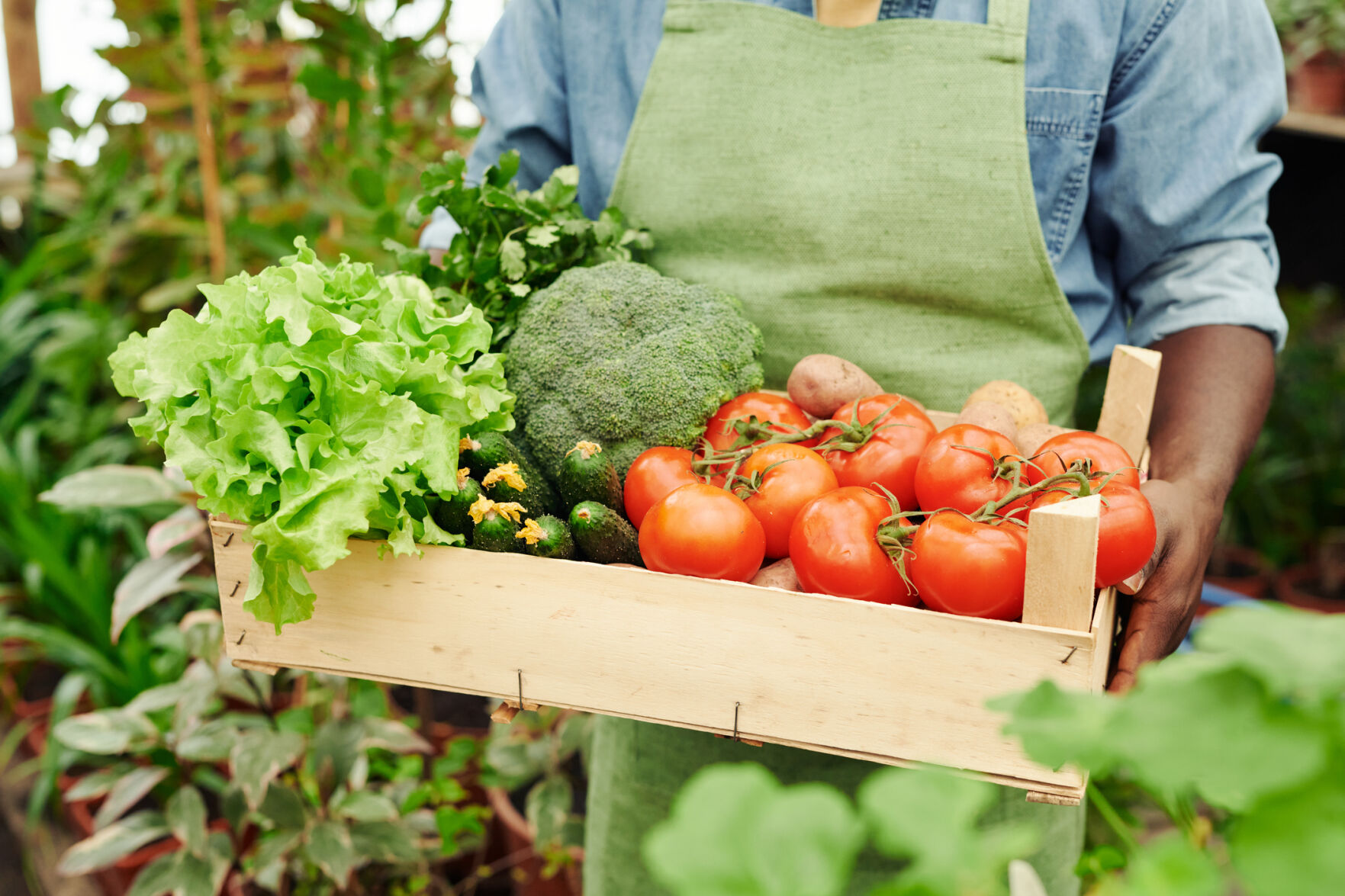
Caring for plants yields more than beautiful flowers and tasty produce. As gardeners plan, dig, prune and harvest, they are cultivating better physical and mental health. It’s good news that interest in gardening surged during the pandemic. That trend may continue to bloom and bear fruit.
Nature Therapy
Ever experience a stir of pleasant, calming feelings when looking at a garden or pretty view? There’s a reason for that. Countless studies have linked exposure to nature with compelling physical and mental health benefits. Reduction in inflammation and anxiety, a strengthened immune system, an increase in productivity, and even greater creativity are among the benefits.
Digging, hauling, weeding and harvesting provide a full body, functional workout. Associated benefits include increasing body strength, improving heart health and the immune system, reducing stress and sleeping better. Digging around in healthy dirt releases microbes that, when inhaled, can stimulate serotonin production.
The very act of caring for another living thing can give a person a sense of purpose. Nurturing a plant from seedling to a mature specimen is a process filled with a series of small tasks that occupy the mind and set an achievable goal. Numerous studies have connected gardening to improved life satisfaction and mood.
Gardening in All Sizes
There are gorgeous, mind-blowing botanical retreats and gardens capable of outfitting a restaurant or florist with their bounty. That’s the extreme. For regular people, gardening can be as simple as a few houseplants or containers on the outdoor patio.
For tiny garden boxes, balconies and patios, experts recommend using trellises and plants that drape or climb. With this strategy, a gardener can increase the amount of foliage per square foot in the small area. Aim to attract pollinators if you want to grow edible plants.
Planting It Forward
Growing plants that produce a tasty bite is a great way to get children involved and interested in gardening. Hanging strawberry plants can be grown in tight spaces. For those with a bit more space, raspberries and blueberries make good options.
Harvesting those treats can give children a tangible and delicious reward for their efforts. Beyond providing natural treats, gardening gives youths and adults an activity that brings them together. It also pulls people off their screens while proving that fun can be had outside.
Gardening also helps children channel energy. Similar to adults, the physical act of gardening and the mental act of thinking about caring for another living organism can give children a greater sense of purpose and pride.
Staying Grounded
For all its benefits, it can be discouraging when a garden is overrun by weeds and a person does not really understand how to manage the challenge. For natural weed control, mixing veggies with perennials to crowd out weeds — such as planting purple coneflowers and daisies with tomato plants and several pepper plants — can help.
More important, it’s essential that a person start small and realistically consider how much time they have to dedicate to their garden to ensure success.
Top tips for growing success
It’s no secret that one of the most effective ways to eat healthier is to incorporate lots of vegetables into your diet. And there’s no more convenient source of garden-fresh vegetables than your own backyard.
Master Gardener Kinorea Tigri coordinates Pennsylvania’s statewide “Seed to Supper” program teaching new gardeners how to successfully grow a portion of their food on a limited budget. Here, she shares her expertise to help make your garden grow.
Sunlight
Vegetable plants need a minimum of 6-8 hours of sunshine daily. When sowing seeds, know the footprint and height of the mature plants. Plant the tallest plants, like corn, ideally on the north side of your garden. Sow remaining seeds in order according to their size at maturity. This ensures all plants will have good air circulation and plenty of sunlight.
Soil
Healthy plants require healthy soil, and testing is the only way to know if it’s in need of adjustments to improve its physical or chemical properties. Your local garden center can direct you to a testing resource. Most vegetables need a pH of 6.5-7 for maximum growth in soil composed of sand, silt and clay. Loamy soil helps plants get air and space for root growth and can be created by adding compost.
Fertilizer
All plants need fertilizing at times. Start by balancing the pH levels with aluminum sulfate or lime, based on soil test results. Vegetable plants require three main types of fertilizer, depending on the type of plant.
A general N-P-K fertilizer blend of all three simplifies feeding, except for tomatoes, which need a specific compound.
- Nitrogen (N) promotes growth, producing tall, bushy green leaves.
- Phosphorus (P) helps plants bloom and produce fruit.
- Potassium (K) supports strong root growth.
No-Fail Vegetables
These vegetables are the easiest to grow but still require regular inspection for pests and diseases:
- Tomatoes
- Peppers
- Leafy greens
- Cucumbers
- Squashes
From garden to kitchen
When it comes to versatility, nothing beats herbs for enhancing the flavor of just about everything you prepare. They can be interplanted with vegetables, which is known as “companion planting” among your tomatoes, peppers and salad greens.
Great green goodness!
If you’re going to start by growing just three things that should be staples in your diet, begin with these: corn, beans and winter squash, often called “the three sisters.” They provide a great mix of carbohydrates, protein and healthy fats, can be easily grown together, and can be stored well for long periods when harvested properly, making them a reliable food source throughout the year.