The best sugar sources to fuel you
Raw, refined and artificial, sugar lurks behind every label
Sugar, it seems, is everywhere. Even when we take our coffee black, eat nonfrosted corn flakes, and spread sugar-free jelly onto our toast, sugar sneaks its way into just about everything we eat and drink.
We know sugar is fattening, and can contribute to diabetes. But it’s also naturally occurring, so it must be good for something, right? As we look for every possible way to cut calories, should sugar be in our sights? Let’s scope out some sneaky sources of surplus sugar, and find out how we can make it work better for our bodies.
The cane questions
Sugar is a sour issue for people with diabetes, who have to keep close track of how much they eat. But everyone should put down their teaspoon and pay attention, because a diet with too much sugar can trigger other health issues.
“Excess sugar isn’t good for things like heart disease, pulmonary disease and liver disease,” says Rachael Dunn, a clinical dietitian at Loyola University Medical Center near Chicago.
Sugar is sucrose, a carbohydrate found in most fruits and vegetables. The form of sugar we typically think of—whether granulated, powdered, raw or superfine—is extracted from sugar cane and sugar beet plants. This naturally occurring sucrose has equal parts fructose and glucose. We rely on glucose to fuel our body.
“Every cell in our body requires glucose as an energy source to function,” says Michelle Preston, a registered dietitian and Diabetes Institute program manager at Christian Hospital in St. Louis.
“Healthy foods are those with natural sugars that supply essential nutrients to our body. It’s the added sugars in processed foods and beverages that contain no nutritional value—or empty calories—that need to be limited in our diets.”
These added sugars add calories, and we know what happens when we consume more calories than we burn: We gain weight. If we’re not careful, we’ll get cavities, too.
And excess sugar can raise our triglyceride levels, which leads to hardened arteries. For diabetics, consuming too much sugar and carbohydrates can cause serious problems.
Sugar sneaks into our diets in places we don’t expect it. So we have to find the sugar we want and figure out how much to eat, to give our bodies the fuel it needs—without the added weight no one wants.
Labels and recommendations
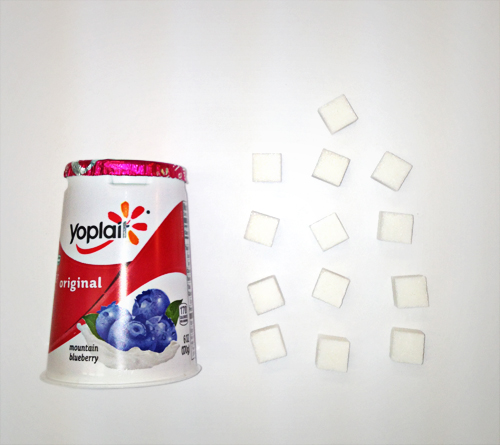
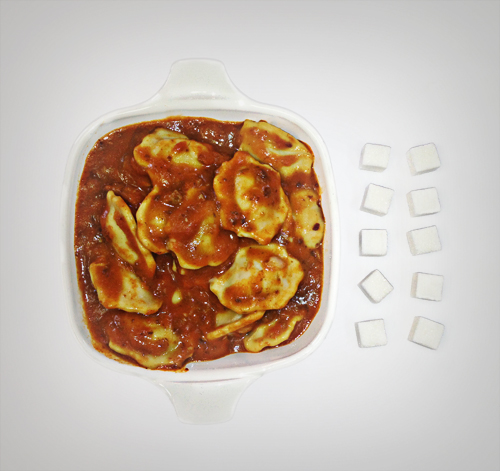
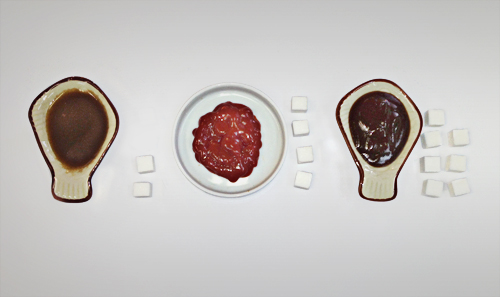
Certain sugar sources—like cookies and candy—are obvious. But some foods—like barbecue sauce, salad dressing, marinades, granola bars and yogurt—can contain surprisingly large amounts of sugar, too. Look at the label to find out whether the sugar in what you’re eating is naturally occurring, or if sweeteners have been added.
Sometimes the sweetener in a food is actual sugar, and will be listed that way in the ingredients roster. Sometimes food is sweetened in other ways. The Centers for Disease Control and Prevention lists about a dozen ingredients that all equate to “added sugar,” including corn sweetener, corn syrup, dextrose, fructose, lactose, malt syrup, honey, molasses, fruit juice concentrates, raw sugar, sucrose and high fructose corn syrup.
Manage your sugar intake from prepared foods by approaching the package in two ways, Dunn says.
“Look for the phrase ‘no sugar added,’” Dunn says. “Then flip it over to the label, and look for how many grams (of sugar) there are.”
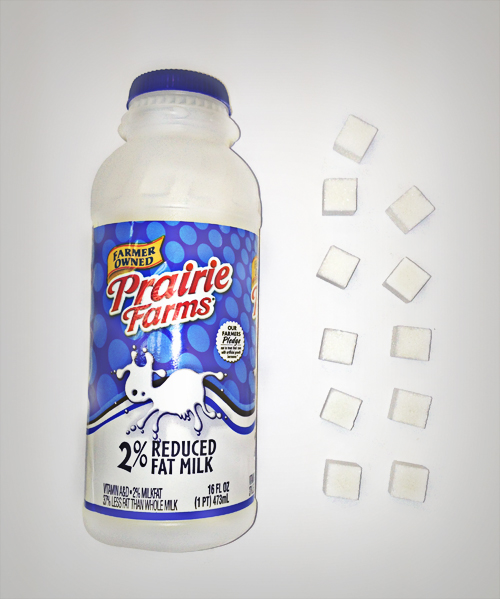
The nutrition facts panel reflects the total amount of sugars in a food, both added sugars and naturally occurring sugars, such as lactose in milk and fructose in fruit.
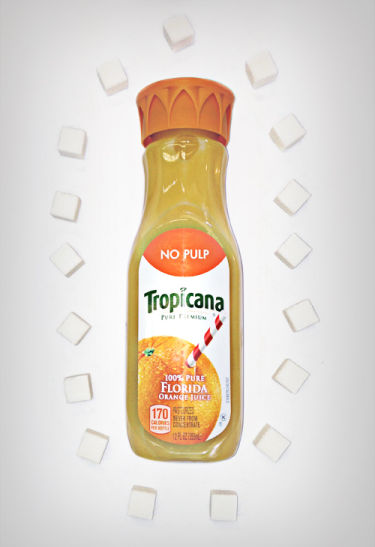
The ingredients list tells you what items have been added. To get an idea of how much sugar is in one serving of a food, figure that 4 grams equals about 1 teaspoon of sugar and about 16 calories.
There is no official recommended daily value for sugar, but Preston offers a general guideline: No more than 5% to 15% of your total calories should come from added sugars and fats. For perspective, someone who consumes about 2,000 calories per day would be able to have one 12-ounce can of regular soda.
The American Heart Association recommends limiting the amount of added sugars you consume to no more than half of your daily discretionary calories allowance—the flexible calories you can eat after consuming all your nutrients. For most American women, that’s no more than 100 calories per day, or about 6 teaspoons of sugar. For most American men, it’s 150 calories per day, or about 9 teaspoons.
A refined palate
To figure out what sugars are best to choose, it’s important to understand the different types of sugars, and—since we often eat them in other foods, and not alone—what else is coming along with the sugar.
The sugar family contains monosaccharides, which are single-molecule sugars such as fructose in fruits, and disaccharides, sugars formed by two monosaccharides. Lactose, found in milk, is a disaccharide of galactose and glucose. Table sugar, another disaccharide called sucrose, is a combination of glucose and fructose.
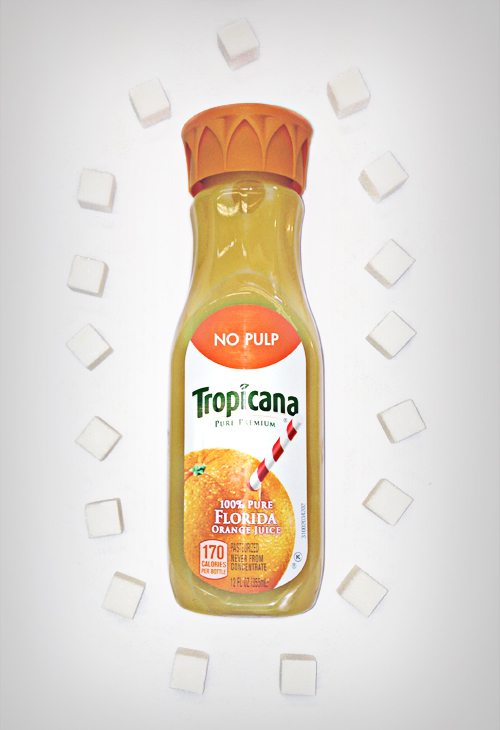
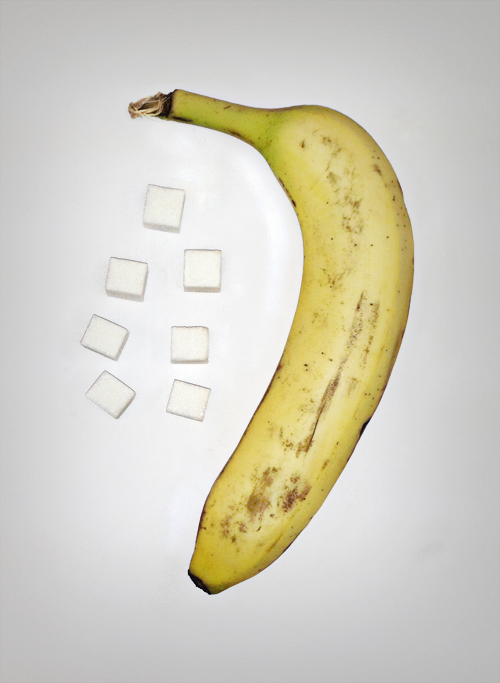
Fruits have a lot of naturally occurring sugars, but they also contain vitamins, fiber and other nutrients. So if you’re faced with a glass of fruit juice made from part concentrated juice, part water and part added sugar—but with a lower total sugars count than a glass of 100% juice—choose the 100% juice, Dunn says.
“The sugar found in juice is better than a juice with added sugar,” she says.
In the body, naturally occurring sugars and starches break down into glucose, which is then carried through our blood with the help of insulin. That’s why diabetics keep an eye on their carb consumption, too. Whether glucose in the body is from sugar or carbs, it’s essentially all created equal, and must be controlled.
“Natural carbs—disaccharides and monosaccharides—are handled slightly differently by the liver, but basically they’re the same,” says David Levitsky, professor of nutritional sciences at Cornell University in New York. “From a health perspective and an energy perspective, they’re handled the same.”
Other naturally occurring sweeteners, such as honey, agave nectar and maple syrup, are good flavor alternatives, but they have similar amounts of calories and carbohydrates per serving as white sugar. Replacing white sugar with brown sugar, honey, agave nectar
or high-fructose corn syrup won’t change your overall sugar intake, says Linda Sartor, a diabetes nutritionist and certified diabetes educator at the University of Pennsylvania Rodebaugh Diabetes Center.
“Calorie per calorie, they’re about the same. Honey has a few trace minerals and nutrients, so you get a minor benefit,” Sartor says. “But if you load up your tea with honey, it’s the same effect (as using sugar.)”
What’s my alternative?
Stevia, which is derived from a plant, has gained popularity in recent years because it’s a natural source of zero-carb and zero-calorie sweetening. Many people are choosing it instead of artificial sweeteners. The FDA regulates five types of artificial sweeteners—acesulfame potassium (Sunnet and Sweet One), aspartame (NutraSweet, Equal), saccharin (Sweet’N Low), sucralose (Splenda) and neotame.
These sugar substitutes have few or zero carbohydrates or calories, and are much sweeter than natural sugar. With the exception of aspartame, they pass undigested through the body, and don’t raise glucose levels. The FDA also approved an acceptable daily intake for each.
For some people, skepticism about the safety of artificial sweeteners continues, despite FDA regulation. According to the American Cancer Society, aspartame is considered safe by the FDA at up to 50 milligrams per kilogram of body weight. To translate, a 165-pound adult would need to drink about 21 cans of diet soda to exceed the FDA’s acceptable daily intake.
Saccharin has also been removed from the U.S. National Toxicology Program’s list of carcinogens. While a decades-old study showed rats that ingested large amounts of saccharin
developed bladder stones that could cause cancer, the substance does not cause bladder stones in humans, according to the American Cancer Society.
There can be benefits to incorporating artificial sweeteners into a diet, Levitsky says.
“They are handled very well (by the body). In amounts generally consumed, they’re safe,” Levitsky says. “If you are diabetic and you can’t handle a slug of sugar, there’s no question these artificial sweeteners are a godsend. It allows people to have a diet soda.”
That doesn’t mean they are a magic potion for weight loss. You could get a false sense of confidence from a zero-calorie sweetener, and eat too much of whatever you’re sprinkling it on.
So while people with diabetes and other medical issues may need to continue working with dietitians, for most people, the best advice is what we already know: Moderation is key, especially with packaged sweet things.
“Generally, foods with labels that we need to scrutinize aren’t healthy for us anyway, so we shouldn’t be eating them that often,” Preston says. “We shouldn’t get stuck so much on the sugars on the label, but be more focused on whether the food is healthy or unhealthy.”