
The basics of milk alternatives
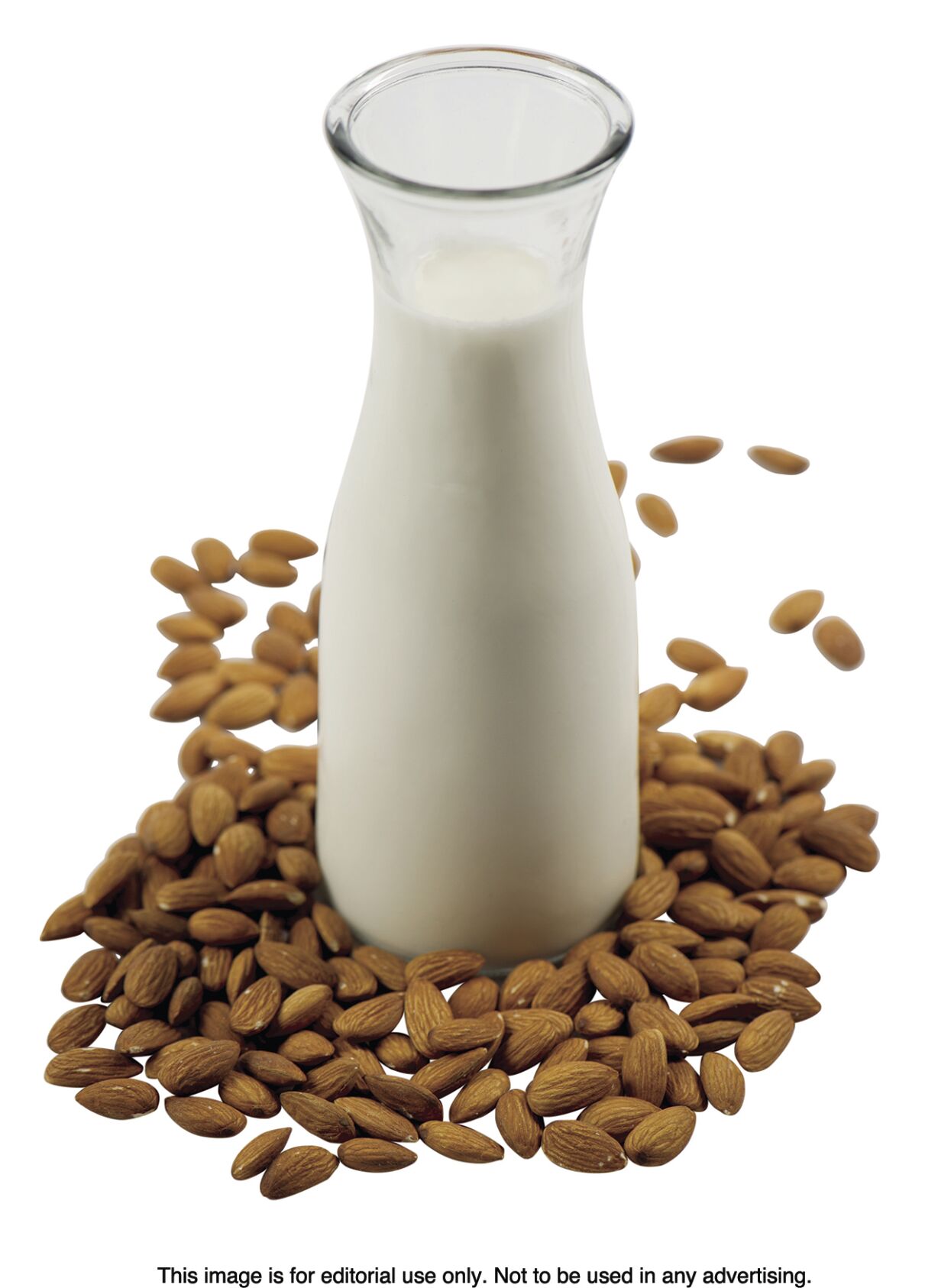
Trends in the food and beverage industry come and go. Individuals without any allergies or preexisting health conditions can navigate these changing trends with relative ease, seamlessly shifting to new items when fads fade and new ones emerge. However, that option isn’t open to those who have food allergies, including an inability to consume dairy.
How common are milk allergies?According to the Asthma and Allergy Foundation of America, around 32 million people in the United States have food allergies. Milk is the most common food allergy for children, but plenty of adults also have dairy allergies. One population-based survey of more than 40,000 adults published in the journal JAMA Network Open in 2019 found that milk was the second most common self-reported allergy.
What are some milk alternatives?
Fortunately, consumers have a multitude of dairy alternatives to consider when visiting their local grocery stores. The Cleveland Clinic notes that these milk alternatives are a potential option for individuals with a milk allergy; those who are lactose intolerant; people who adhere to a vegan or vegetarian diet; and people concerned about added hormones and antibiotics in cow’s milk.
- Almond milk: Almond milk is a popular and low-calorie alternative to cow’s milk. Before consuming almond milk, individuals should be tested by an allergist to determine if they have a nut allergy.
- Cashew milk: Another nut-based alternative to cow’s milk, cashew milk is low in calories and often fortified with vitamin D and calcium. Cashew milk also is rich in vitamin E.
- Soy milk: Soy milk has long been a popular alternative to cow’s milk. Soy milk is lactose-free, making it an ideal option for individuals who are lactose intolerant. Some people are allergic to soy, so this might not be an option for everyone.
- Rice milk: Rice milk is a high-calorie alternative to cow’s milk that the Cleveland Clinic indicates also contains around three grams of fat per cup. However, it can be ideal for people with nut or soy allergies or anyone who is lactose intolerant.
- Coconut milk: Though it’s low in calories, coconut milk contains more fat per cup (around four grams) than rice milk. Nutritionists also note that the fat in coconut milk is saturated fat, which can be a concern for people with certain preexisting health conditions. But coconut milk is plant-based, so it’s a potential option for individuals with dairy and nut allergies.
- Oat milk: Oat milk has been trending in recent years. Oat milk is plant-based and free of dairy, lactose, soy, and nuts, making it a good option for people with various food allergies. Oat milk typically contains more carbs and calories than other plant-based milk alternatives.