
Stop skin cancer with simple steps
After the long, hard winter, the sun feels particularly good this spring. But before rushing headlong into the sunshine, it’s smart to give a nod to the dangers of skin cancer, and what you can do to prevent it. Your first step is avoiding sunburn—and even suntans.
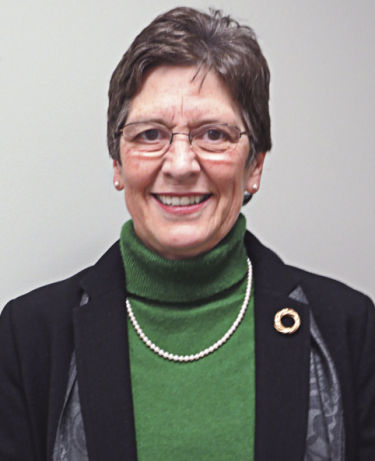
“Any change in color is change in pigmentation, and that means damage to the cells. And that means any change,” says Martha Ryan, senior director of Community Engagement for the Eastern Division of American Cancer Society.
“No coloration at all is the healthiest. We say, ‘White is beautiful.’”
Ryan suggests everyone use sunscreen before going outside in the sun, especially for an extended period of time. And that means everyone.
“I often talk to African-American groups and others with naturally dark skin pigmentation and they say, ‘Well, I don’t have to worry.’ But they do. Melanoma strikes equally—everyone is in danger,” she says.
ACS recommends using sunscreen with an SPF of 15 or higher, and to apply it often. A helpful new tool that has become popular with outdoor enthusiasts is SPF-protective clothing, which has a long-lasting barrier built right in.
“This has become readily available, and it’s wonderful. We especially recommend it if you are going to be out between noon and 3 p.m., when the UV rays are the most dangerous,” Ryan says.
Parents of young children have double-duty in protecting themselves and their children from the sun. While children
6 months and younger should not wear sunscreen, they still need to be protected. They can wear SPF-protective clothing and be kept in the shade, be covered by blankets and have a protective canopy on their stroller.
“We have a campaign directed at parents—Slip, Slop, Slap and Wrap. Slip on a shirt, slop on sunscreen, slap on a hat and wrap on sunglasses. It is good advice for everyone,” she says.
Sunscreen needs to reapplied after sports and swimming, something people often forget.
“I slip sunscreen into my husband’s golf bag, our granddaughter’s diaper bag—everywhere—just so we all have it when we need it, and that makes it easy to reapply,” she says.
Ryan says everyone should become familiar with their own skin, including moles, freckles and other discolorations. Each month, do a scan to check for changes. The ACS recommends yearly checkups that include skin screenings.
“You need to know your own body. Use a mirror or have your partner check your back and other hard-to-see places,” she says.
Your protection plan
The American Cancer Society suggests ways to keep skin healthy while still enjoying outdoor activities. for more information about skin cancer warning signs and skin cancer prevention tips, visit AmericanCancerSociety.org.
- Follow the Slip,Slop, Slap and Wrap guidelines.
- Wear a hat.
- Wear sunglasses with lenses that block UV rays.
- Avoid tanning beds.
- Avoid sun exposure between 10 a.m. and 4 p.m., when the UV rays are the strongest. Use sunscreen with a SPF of at least 15, wear protective clothing and seek shade during this time period.
- Wear sun-protective clothing. Many clothing manufacturers produce clothing, including for infants 6 months old and younger who cannot wear sunscreen.
- Use sunscreen and apply often. There are many types of sunscreen products available including sprays, lotions, wipes and even makeup. Keep it handy when outside.
Get out of bed!
An alarming concern causing an increase in skin cancer is the popularity of tanning beds and salons. Ryan says traditionally, most skin cancer cases result in an accumulation of skin damage over time and exposure. In the past, most cases would appear with those in their 50s and 60s. But with the new trend in tanning—which offers a concentrated dose of light—there has been an increase in skin care cancer among younger populations.
“Because of the high intensity of the uv rays in the tanning booths, there is more UV damage in a shorter period of time,” she says. “We are seeing not only a significant increase in skin cancer cases, but we are seeing cases much earlier. If there is any way we could stop the use of these, it would be wonderful.”
Keeping young women, in particular, out of tanning beds is tough, Ryan says, but it’s a goal for the American Cancer Society.
“It is hard to convince teenagers in particular that long-term effects can be very dangerous. We tell the young girls that tanning increases wrinkles and sagging of skin. We are trying to use whatever will work to keep them out of these tanning booths,” she says.