
Stay on top of cholesterol screenings—it can save your life!
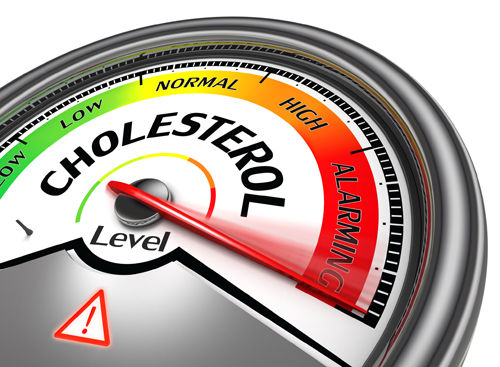
In an ideal world, everyone would know their cholesterol levels and get regular checkups to keep on top of any changes. That awareness is what Dr. Venkatraman Srinivasan, chief of the division of cardiology at West Penn Hospital, would like to see more of.
“I personally believe that everybody should be screened,” Srinivasan says. “The American Heart Association recommends that people start screenings at age 20, then have it done every four to six years.”
Good vs. Bad
The U.S. Centers for Disease Control describes cholesterol as a “waxy, fat-like substance.” Srinivasan compares cholesterol to plaque on the teeth—we need it, but it can be harmful when it builds up.
“Cholesterol is very important for normal function of the body. But just like anything else, too much of a good thing can be bad,” he says. “And of course, there are other stressors that add to that, including smoking, stress and pollution.”
Thanks to increased awareness, most folks know cholesterol is necessary for good health, but not everyone understands the difference between “good” and “bad” cholesterol.
What is referred to as the “good” cholesterol is high-density lipoprotein, or HDL, and the “bad” is low-density lipoprotein, or LDL. Srinivasan says you should know your levels for both.
LDL causes the buildup of plaque on the arteries, clogging them and making them less flexible, says the American Heart Association. A clot that forms in a clogged, narrow artery could lead to heart attack or stroke.
HDL actually removes LDL from the arteries, carrying it back to the liver where it’s broken down and passed from the body, AHA says.
The Sooner You Know
Along with cholesterol levels in the blood, other factors come into play when assessing health risks related to cholesterol, including family history and lifestyle habits. Add to that the rising numbers in obesity including childhood obesity, and there is even more need for early cholesterol knowledge.
Like many medical concerns, early prevention is key—the sooner you know there’s something wrong, the sooner you can address it, Srinivasan says.
“Just like everyone should know their blood pressure, they should know their cholesterol levels. And then along with their doctor, they can calculate their own risks,” he says.
“One in three people has high cholesterol. Those are enormous numbers, so it is more important than ever for screening at a young age.”
Easy Screening
It is easy to schedule a cholesterol screening with your primary care physician, especially since your doctor already knows your health history, Srinivasan says.
The test itself is simple—a small sample of blood is drawn and then analyzed in a medical laboratory. Srinivasan also recommends fasting prior to the test since certain foods and beverages affect cholesterol levels.
“What you eat can greatly affect the outcome, and if you are going to spend time and money on tests, you want them to be as accurate as possible,” he says.
Once you know your cholesterol levels, you can work with your doctor to see if you need to follow a certain course of action and determine how often you need to be tested.
“Some very easy preventive measures can make a big difference,” Srinivasan says. “They can save lives.”