
Say goodbye to your gut
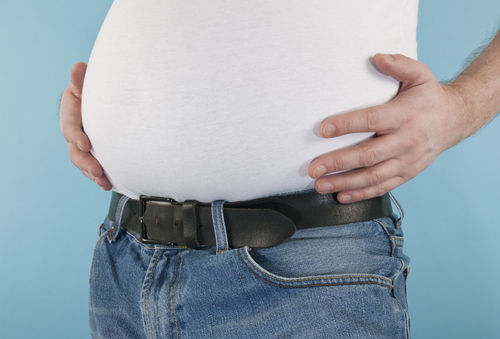
To most men, having a beer belly isn’t that big of a deal. They’re often seen as humorous. At times, they’re even seen as a rite of passage—something that comes with entering your 30s, 40s and 50s.
What you may not know, though, is that if you’re carrying extra weight around your midsection, you may be at risk for myriad health issues, and that’s no laughing matter.
Belly fat, particularly the visceral fat that grows deep in the body around organs, is a risk factor for several diseases in men, including heart disease, diabetes and cancer.
“When it comes to overweight men, the thing that everybody fears is heart disease, blocked coronaries leading to a heart attack,” says Dr. Rexford Ahima, professor of medicine in the Division of Endocrinology, Diabetes and Metabolism at the University of Pennsylvania Perelman School of Medicine.
“But too much belly fat can also lead to accumulated fat in the liver. A certain percentage of those men go on to develop chronic liver disease.”
Men are exposed throughout their lives to hormones called androgens, like testosterone, which contribute to fat accumulating around men’s middles, Ahima says.
Add that to a gradual decline in physical activity as men age, and belly fat becomes more prevalent as men get older.
You can get rid of excess belly fat and keep it off, but it will take more than situps and crunches.
Anita Mirchandani, a New Yorkbased registered dietician and personal trainer, recommends body weight exercises that strengthen your core—think pushups, squats and yoga.
“It doesn’t have to be spot-training or exercises dedicated to the abs,” Mirchandani says. “It’s important to focus on the core as the main source of strength for your body, and doing so can help decrease belly fat.”
On top of hitting up the gym, you should also keep an eye on what you eat since diet plays a huge role in reducing your gut size.
Ahima recommends eating 1,800 to 2,000 calories a day, limiting red meat, eating more plant-based proteins and being extra careful when drinking alcohol.
“A can of beer is about 150 calories, so it wouldn’t take much to consume 500 calories of just beer alone,” Ahima says.
“If you eat on top of that, the body metabolizes alcohol first before other calorie sources. You tend to store more energy when that happens, and that can lead to weight gain.”
Mirchandani says it’s also important to pay attention to when you’re eating so your body has time to burn it off.
She suggests making breakfast the largest meal of the day, and gradually eating smaller amounts until bedtime.
“The more activity you can do after a meal, the better the chance that meal will fuel the activity instead of getting stored in your body as fat,” she says.
“If you eat a large meal at night, there’s a greater chance you’ll sleep on it.”