Ready to Go Organic?
We’ve all heard stories and anecdotes about organic produce lately, and it can be hard to figure out what’s classified as organic, and what all the labeling really means. Once you understand your options and the benefits of organic food, you may decide to change your shopping habits.
What is organic food?
Food labeled “organic” has been grown or raised without chemical fertilizers, pest killers (pesticides), weed killers (herbicides), hormones or drugs. Don’t assume that food labeled “natural,” “sustainable,” “hormone-free” or “free-range” is organic. Look for the organic seal.
What is the organic seal?
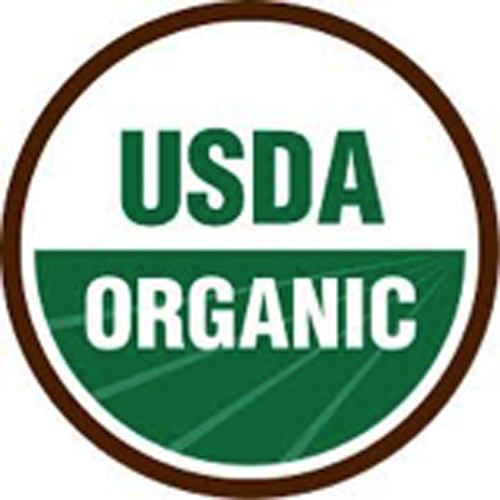
The U.S. Department of Agriculture has developed labeling rules for organic foods. The USDA organic seal and the word “organic” can be displayed on foods that meet its organic standards. This use is voluntary, so some organic foods may not be labeled as such.
More About Labels
-
If the seal and “100% organic” are displayed, all ingredients are organic.
-
If the seal and “organic” are displayed, 95% to 100% of the ingredients are organic.
-
If the seal is not displayed, but the package says “made with organic ingredients,” at least 70% of the ingredients are organic.
Be a Savvy Shopper
You can avoid pesticides by buying only organic food. Or you could buy organic versions of the foods you eat most often, or of those foods that have the most pesticides. These fruits and vegetables usually have the highest pesticide levels:
Peaches
Apples
Nectarines
Strawberries and blueberries
Cherries
Grapes
Celery
Bell peppers
Green beans
Cucumbers
Potatoes
Leafy greens such as lettuce, spinach and kale
Tips for Finding Organic Produce
- Buy organic fruits and vegetables in season, when they’re plentiful and cheaper.
- Check into community-supported agriculture programs in your area. You buy a share, and receive a box of fresh produce each week throughout the growing season.
- Buy from local farms and ranches, whether they’re certified organic or not. Many small farms use organic methods, but can’t afford to become certified. Talk to the farmer, if possible.
- Buy cheaper cuts of organic meat. For example, chicken thighs or whole birds are usually less expensive than chicken breasts.
- Browse the bulk aisle for organic items such as flour, pasta and cereals.
- When you buy commercially grown produce, take these steps to lower the amount of pesticides on your food:
- Wash raw fruits and vegetables under running water before eating them. Use a scrub brush when it will not bruise the food. Otherwise, rub the food by hand to clean it.
- Peel apples, nectarines, peaches, cucumbers and potatoes, especially before you give them to children.
- Throw away the outer leaves of head lettuce and cabbage.
- Remember, eating non-organic fruits and vegetables, even those with higher pesticide levels, is better than not eating fruits and vegetables at all.