
Q&A: Understanding irritable bowel syndrome
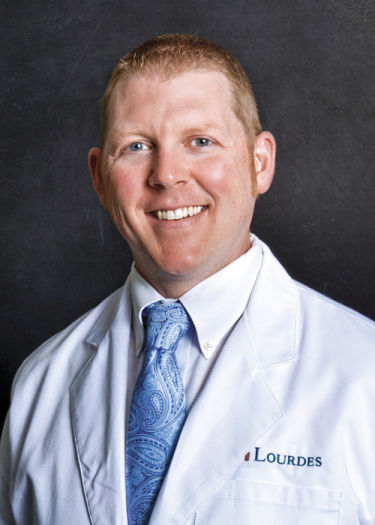
Irritable bowel syndrome affects about 20% of the adult population. But only 5% to 7% of the adult population has been diagnosed. IBS hits about twice as many women as men, and is often found in people younger than 45. Gastroenterologist Dr. Shane Hendon, of Mercy Gastroenterology in Paducah, says about one-third of his patients complain about IBS. We asked Hendon about causes, diagnosis and treatment.
What is irritable bowel syndrome?
It’s a chronic abdominal pain with bowel habits that are either predominately diarrhea, predominately constipation, or alternating between the two. People should be worried if there’s been a change in their stools—bleeding or very dark stools, which could indicate the presence of blood.
How is it diagnosed?
A set of guidelines called the Rome criteria is used. You likely have IBS if you experience abnormal stool frequency—more or fewer than three bowel movements per day; abnormal stool form—lumpy or watery stool; three or more months of abdominal pain that goes away after a bowel movement; or have pain associated with a change in consistency—such as a change from diarrhea to constipation.
What causes IBS?
There is no direct cause. But the main goal is to see what triggers it, which will be different for everyone. Common triggers include certain foods, stress, and our overall diets. Too much processed food is hard on our bodies. We need to eat more natural food.
How can people manage it?
The main goal is to treat the symptoms, so if it’s diarrhea, then we may prescribe medication. Eliminating or reducing trigger foods can help, but those foods won’t be the same for everyone. From a theoretical standpoint, meditation might help if stress is a factor, but there’s no research to support that.
What are researchers learning?
We’re finding some crossover with celiac disease. Research shows 25% of people with predominantly diarrhea IBS were helped with a gluten-free diet. Also, intestinal bacteria overgrowth might be related to IBS. That’s when too much “bad bacteria” is in the small intestine. We treat that with an antibiotic for about 10 days, then use probiotics to repopulate the gut with good bacteria. I’m a big believer in the use of probiotics. It’s more natural.