Q+A: Summer bike safety tips
Matt Dawson is a master bicycle mechanic with 12 years of experience at The Cyclery and Fitness Center. He is the manager of The Cyclery and Fitness Center’s Shiloh, Ill., store. We asked Dawson for tips about summer bike safety, and how to get properly fitted for a bicycle and bike helmet.
What are some points to remember when getting fitted for a bicycle helmet?
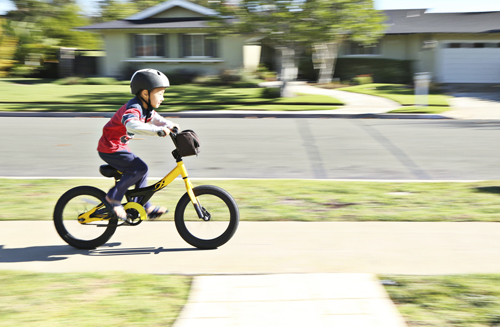
Whether it’s for a child or adult, there are three keys to a good fit. First, wear the helmet down in front. The bottom of the front of the helmet should be 1 inch above the eyebrows. If it’s too far forward, there’s no protection for the back of the head. Second, most helmets have a click system at the inside back to adjust for comfort. You want the helmet snug. Some movement is OK, but it shouldn’t move from side to side when you shake your head. Finally, the ‘V’ straps on either side of the helmet should come to the bony edge of the back of your jaw below the ear. The strap under the chin should be snug. You shouldn’t be able to pull off the helmet if your mouth is closed.
When should helmets be worn?
Just like a seat belt, helmets should always be worn. Most accidents happen close to home because people are likely to be tired or less attentive. And riding slowly through your neighborhood is no excuse not to wear one. Even if you’re going slowly and you’re in a crash, your head is going 30 miles per hour by the time it hits the ground.
How often should helmets be replaced?
Most manufacturers suggest replacing a helmet every three to five years. Helmets are a single-use item. They need to be replaced if you are in a crash, and hit your head. Even if you don’t see any dents or cracks on the outside, it’s been damaged. And never buy a used helmet, for that very reason.
Is there a safety certification people should look for when buying a helmet?
The Consumer Product Safety Commission regulates all helmets. Look for their certification. ANSI (the American National Standards Institute) is sort of a secondary watch group.