Q+A: Bone density tests
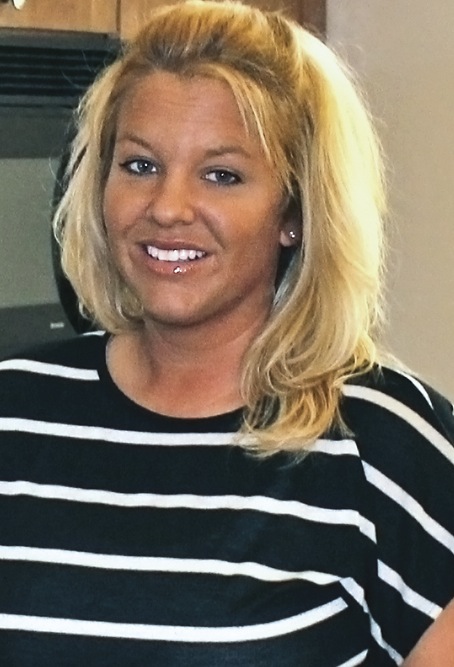
Research shows half of all Americans older than 50 will be at greater risk for fractures by 2020. That’s one in two women and one in four men. Amanda McKee is a family nurse practitioner and certified clinical densitometrist at the Orthopaedic Center of Southern Illinois, with locations in Mt. Vernon and Centralia. Mckee says 90% of her patients are deficient in vitamin D, an important component of healthy bones.
Who should get a bone mineral density test?
Anyone 50 and older, especially if there is a history of fractures. Also at risk are smokers and people who weigh fewer than 100 pounds, have had a significant loss of weight, a high alcohol intake or live a sedentary lifestyle. Medicines for certain diseases, such as diabetes and cancer, can make bones thinner. Younger people with lupus and other diseases or who have had weight-loss surgery also are at higher risk.
How are tests done?
The test is done with a central DXA (dual energy X-ray absorptiometry) machine. It takes just five to 10 minutes and uses very little radiation. Patients lie on a table while an open machine passes over the body. Women older than 50 should get a DXA scan every two years. Men should get a scan after age 70.
What does the machine measure?
It measures the amount of minerals in our bones. If test results are zero to a positive number, that’s normal. Negative 1.5 to negative 2.4 shows evidence of osteopenia; negative 2.5 or more means osteoporosis.
What if the test shows poor results?
After taking a complete family history and assessing the patient’s lifestyle, we may prescribe other lab tests to screen for illnesses. We may prescribe an osteoporosis-preventing medication, such as Fosamax, or focus on preventing further bone loss.
What can we do to strengthen our bones as we age?
We advocate a three-prong approach: diet, exercise and fall prevention. Women 18 and older should take calcium and vitamin D supplements. The recommended dosage is 1,000 milligrams for people ages 19 to 50. That increases to 1,200 milligrams for women older than 50 and men older than 70. People should exercise three to four times per week, and use common sense in preventing falls. Have good lighting, use non-slip rugs in the home, and take extra care in icy weather.