
Power up with low-impact weight training
Benefits include lower blood pressure, improved circulation and better quality of life
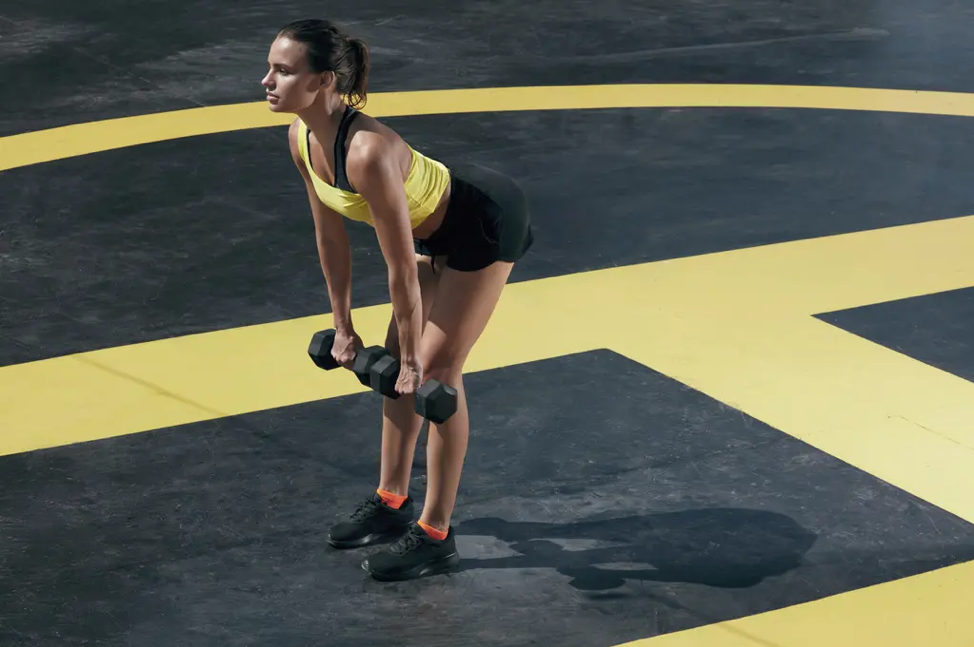
New to working out, recovering from an injury or looking for a gentler-on-the-joints way to stay fit? Don’t sweat it!
Low-impact weight training builds muscle, strengthens joints and supports heart health by minimizing stress on your body. These workouts reduce the risk of injury and help maintain muscle mass, bone health and balance.
If you have joint pain or a heart condition, including a history of heart attack or stroke, you may wonder if weight training is safe. It can be — especially with lighter weights, good form and a slower pace. Results? Lower blood pressure, improved circulation and better quality of life. Check with a healthcare provider before starting.
With aging, cartilage thins, bone density decreases and joints become less hydrated, often leading to stiffness or pain. After strokes or heart attacks, higher-impact workouts can be challenging for weaker heart muscles.
A gentle weight-training routine can improve blood flow and help your heart work more efficiently.
Certified strength and conditioning specialist Jeremy Hebert recommends focusing on gradual progression, especially if you have joint or heart concerns. He adds that incorporating activity builds confidence and mental clarity well beyond the gym.
Hebert puts it well: “It’s not about lifting heavy — it’s about moving smart.”
Exercises
Repeat 6-8 times each.
Deadlift with Dumbbell or Barbell
Works glutes and hamstrings, improves stability and reduces lower-back strain
1. Stand with feet hip-width apart.
2. Hinge at hips and bend knees to grip weight(s), keeping back flat and chest up.
3. Push through heels to stand up, keeping weight(s) close to body.
4. Lower with control by pushing hips back first, then bending knees and lowering weight(s) to the floor.
Chest Press
Strengthens chest, shoulders and triceps
1. Lie on a bench or floor, holding a dumbbell in each hand.
2. Hold weights at shoulder level, with palms facing forward and elbows bent at 45 degrees.
3. Engage your core and push weights straight up over your chest. Exhale as you lift.
4. Lower weights back to starting position while inhaling.
Shoulder Press
Strengthens shoulder muscles, supports posture and upper-body stability
1. Stand or sit with feet shoulder width apart.
2. Hold a dumbbell in each hand at shoulder height, with bent elbows and palms facing forward.
3. Press weights above head until arms are extended.
4. Lower weights back to shoulder height.
Squats with Dumbbells or Barbell
Strengthens quads, glutes and hamstrings; builds stability and core strength. A barbell can be used for more intensity.
1. Stand with feet hip width apart, toes facing forward. Hold weight(s) at your sides or in front of your chest.
2. Engage core and keep chest lifted as you hinge forward at the hips.
3. Lower down slowly, as if sitting into a chair, keeping chest up and weight in your heels.
4. Push through heels to stand, squeezing glutes at top.
Single-arm Dumbbell Row
Strengthens back, posture and grip strength; helps correct imbalances
1. Rest one knee on a bench, pick up a dumbbell and let it hang straight down.
2. Pull weight toward your ribcage, leading with elbow.
3. Slowly and with control, lower weight to starting position.
4. Switch sides and repeat.