
Power Plants
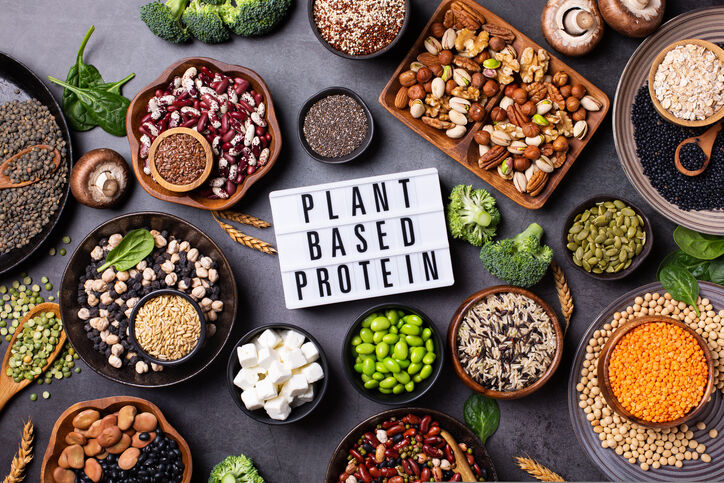
Multiple studies show the health benefits of a plant-based diet. However, one area where they come up short is protein, and athletes need more than your average person. But it is possible to get enough plant-based protein to fuel muscle growth and compete at top levels.
When you watch Venus Williams on the court or Scott Jurek crushing ultramarathon records, you might be surprised to learn they are vegan — meaning they consume no animal protein, including eggs and cheese. That’s pretty convincing evidence that plant-based protein is sufficient for building muscle and fueling peak performance.
Protein consists of amino acids, and your body needs the nine essential amino acids it’s incapable of making on its own to build muscle. Many people mistakenly think meat must be consumed to fulfill that quota. But while meat does contain all nine amino acids, the right combination of plants does, too. What’s even better is that focusing on plant-based protein often increases your overall nutrient intake while reducing your consumption of saturated fat and calories.
Plant-Based Protein as an Athlete
To get sufficient plant-based protein as an athlete, you must know two things: which plants contain the most protein and which combinations of plants provide all nine essential amino acids. The first part is, admittedly, a bit easier.
Beans, lentils, nuts, seeds and whole grains are classic examples of plant-based proteins that feature in many vegan and vegetarian diets. For example, chickpeas have 14.5 grams of protein and 12.5 grams of fiber. There’s the added nutritional benefit of plant-based protein in action — while you might get as much protein from a steak, you won’t get the filling fiber that nurtures your intestines.
Plant-Based Complete Protein Examples
The second part of the equation is a bit trickier, but fortunately, you don’t have to have a complete amino acid combo for every meal. As long as you understand which essential amino acids you need and indulge in the following combinations often, you’ll meet your body’s needs. Listen to your cravings, as they usually hint at what you lack. Examples of plant-based complete protein combos include:
- Grains and legumes: Such as the classic red beans and rice, pasta with peas or chickpeas, bean soup with whole-grain crackers or whole-grain bread with nut butter.
- Legumes with nuts and seeds: Such as hummus (chickpeas and tahini from sesame seeds), lentils and almonds or roasted nut, seed and legume trail mix blends.
Tips for Building Muscle on a Plant-Based Diet
Getting the right plant-based protein can help you build muscle as a vegan or vegetarian, but other factors still count. After all, you could subsist on nothing but potato chips and technically have a plant-based diet — but it wouldn’t do much for your performance in the gym. These tips will help you see the gains you desire:
- Stay consistent: Life happens, and you might miss the occasional leg day. However, consistency is of utmost importance for making gains. If your schedule interferes with a full workout, look for sneaky ways to work in a bit of movement, perhaps taking a brisk walk on your 15-minute break or using an under-the-desk treadmill or cycle to get some activity.
- Avoid the junk: Ultra-processed food full of additives can wreak havoc on your overall health — and your energy levels in the gym. Most convenience store foods are dietary nightmares, so eat them in extreme moderation, if at all. Instead, favor whole foods that resemble their natural forms.
- Consider a supplement: Some nutrients, like vitamin D and vitamin B12, occur primarily in animal-based foods. Therefore, you may need to supplement if you adopt a vegan lifestyle. You can get vitamin D from the sun, especially if you live below 37 degrees of latitude, or put mushrooms in the sun for 15 minutes before cooking them. You’ll find vitamin B12 in nutritional yeast, a popular ingredient in many vegan recipes.
- Get sufficient calories: Food gives you energy, and your performance will lag if you don’t eat enough.
Beth Rush is the fitness editor at Body+Mind. She writes about how women with PCOS can hack their exercise routines to balance hormones naturally. She covers topics like plant-based recipes for athletes and preaching the benefits of green exercise. You can find Beth on Twitter @bodymindmag.