
New procedure helps those with fecal incontinence
No doubt, the topic can be embarrassing, but fecal incontinence, also known as FI, affects the lives of millions of people of all ages. Many who suffer believe it is simply part of the aging process. Others may not be aware that it can be treated successfully and will continue to live with the embarrassment and limitations caused by the condition.
FI can range from an occasional leakage to complete loss of bowel control. The condition is more common in women over the age of 65, though I have seen several young women develop this problem after muscle injury to the rectum resulting from traumatic childbirth. FI may also be related to chronic constipation, diarrhea, advanced age or damage to the pelvic floor and its nerves, and in certain neuromuscular disorders.
Until recently, the only nonsurgical treatment options for FI were fiber supplements and anti-diarrhea medications. Sphincter surgery was occasionally performed though not without potential for significant adverse outcomes.
In 2014, Pittsburgh Gastroenterology Associates became the first gastrointestinal physicians in the area to perform phase one of a minimally invasive outpatient procedure, known as InterStim therapy, for the testing and treatment of fecal incontinence.
The initial evaluation is performed at the South Hills Endoscopy Center in Upper St. Clair and involves the insertion of a thin, hair-like, flexible wire in the upper buttock area. This works by sending mild, nonpainful electrical pulses to the sacral nerves, which control and strengthen bowel, rectum and bladder function.
InterStim has been used for more than 15 years to successfully treat overactive bladder and other urinary incontinence issues. To date, the device has helped more than 100,000 men and women in the United States, Canada, Europe and Australia. It was approved in April 2011 for the treatment of chronic fecal incontinence in patients who have failed more conservative therapies. It is not uncommon for patients to suffer from both fecal and urinary incontinence.
The test phase of the procedure can be performed typically in 15 minutes with the use of only topical sedation and without the need for an incision. Dietary changes, antibiotics, fasting and laxative preps or enemas are not necessary.
One week after the procedure, patients who have undergone surgery return to their physician’s office to have the wires removed. If testing is successful, a permanent battery-powered device—about the size of a thin stopwatch—is placed under the patient’s skin below the belt line.
Loss of bowel and bladder control can be devastating and in many cases lifealtering. Many people stop traveling or going to the gym or restaurants. Others withdraw further, avoiding family and friends and often become homebound. Pittsburgh Gastroenterology Associates is excited to be at the forefront in treating this disorder, offering a new option for so many men and women who are suffering in silence.
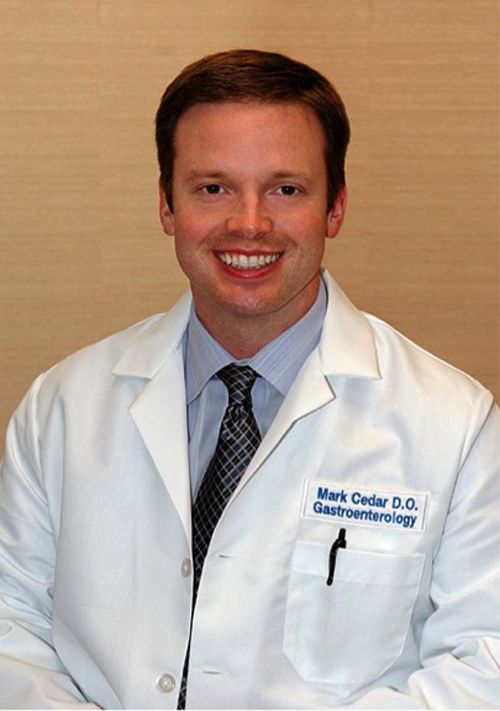
Dr. Mark Cedar is a board-certified gastroenterologist in private practice serving patients in the South Hills and city of Pittsburgh. He is the Chief of Gastroenterology and Director of Endoscopy at St. Clair Hospital.