
More seniors making greener choices when they die
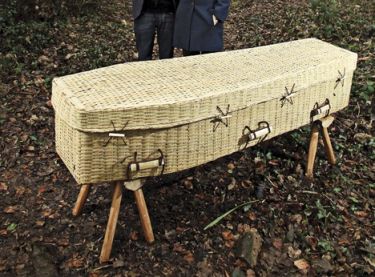
If you’ve been putting off end-of-life planning, there’s no better time to get started. And if you’re looking to get a little greener, you’ve got plenty of options to sort through.
“There are a lot of new possibilities,” says Cynthia Beal, founder of the Natural Burial Company in Eugene, Ore. “Seniors can purchase products directly from manufacturers and distributors online. There are new memorialization options for cremated or buried remains, and much, much more.”
They can also opt for a natural or “green” funeral, which focuses on keeping a person’s burial site as natural as possible, Beal says.
Since starting her company a decade ago, Beal has worked to raise awareness about natural funeral options, and her message is being heard. More seniors, especially baby boomers, are planning natural funerals, leaving less of a carbon footprint on the environment.
Easy on the environment
Natural burial means no embalming, metal caskets or burial vault. The gravesite more closely resembles a wildlife preserve than a cemetery, Beal says, adding that a natural burial site honors the dead while promoting new life.
Native trees, shrubs and flowers attract birds, butterflies and other wildlife. Pesticides and herbicides aren’t used, and mowing and trimming grasses is minimal, if at all.
Natural burials reduce energy use and avoid toxic chemicals, according to Joe Sehee, founder of the Green Burial Council. Certified funeral homes meet criteria set forth by the GBC, including advanced training in the technical, practical and ethical issues of eco-friendly funeral services.
J. Bradley McGonigle Funeral Home in Sharon, Pa., is one funeral home that has met Green Burial Council standards. And funeral director Bill Nicholas says seniors don’t have to feel boxed in. There isn’t just one type of green funeral, he says. Services vary based on consumer preferences, funeral home capabilities, and cemetery practices and regulations.
“There are many shades of green,” Nicholas says. “It depends on how far someone wants to go. Our job is to educate them.”
Closer to home, and the earth
A natural burial may seem like a modern phenomenon, but Nicholas says it harks back to the practices of our ancestors. “It’s not a new concept,” he says. “Once people understand this is actually going back to simpler times, they embrace the idea.”
Baby boomers are especially attracted to natural burials, not only because of the environmental benefits, but it also provides a more intimate experience for friends and family. They can take care of their loved one’s final needs, prepare the body themselves, and spend more time with them.
The GBC’s Sehee also says baby boomers are a generation of nonconformists, and their knack for going against social norms makes natural funerals all the more appealing.
“They are not afraid to disrupt the status quo of the funeral industry,” Sehee says.
And Beal says she’s happy to see more seniors considering the impression they’ll leave when they’re gone. “Isn’t it great that people at the end of their life literally can still have a positive impact on the future?” she says. “Now, that’s what I call leaving a legacy.”