
Lighten Up: Red light therapy may yield a variety of health benefits
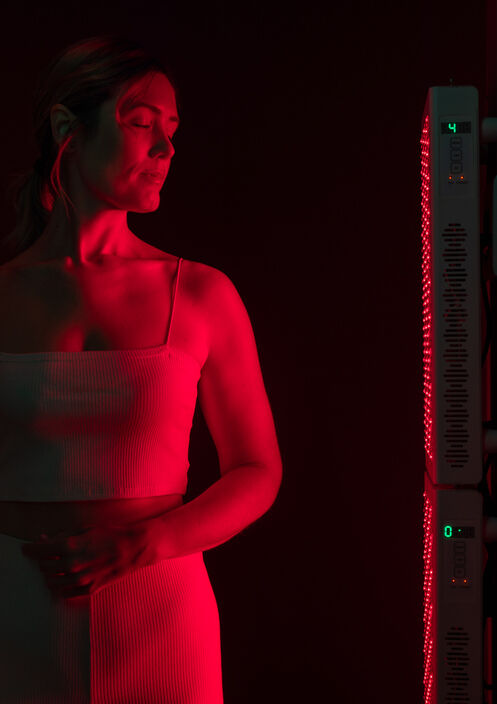
On average, American women spend nearly $4,000 every year in an effort to turn back the hands of time. Costly anti-aging treatments, including invasive ones like Botox and fillers, as well as non-invasive creams and serums can add up fast, so it pays to research options that are backed by science to show positive results. The American Dermatology Academy supports red light therapy (RLT), also called photobiomodulation or low-level light therapy, as worth the investment.
Red light therapy uses a specific natural wavelength of light therapeutically. Initially used as a treatment for aging skin, RLT offers a host of other valuable health benefits. The combination of light-emitting diode (LED) light and heat energy penetrates deep into the skin, producing a series of biological responses at a cellular level.
Esthetically, RLT improves aging skin by increasing collagen production and circulation, reducing fine lines and wrinkles, and fading dark spots and discoloration.
UCLA Health research shows promising health benefits associated with RLT for wound healing, pain management and reducing tissue inflammation in research participants. When used for hair regrowth, RLT works equally as well as minoxidil for stimulating hair follicle growth.
RLT is delivered through various devices, depending upon the area being treated, including:
- Beds that resemble a tanning bed
- Caps or helmets
- Face masks
- Panels, wall-mounted or table-top
- Handheld wands
Devices for home use have received FDA clearance, but consumer reviews are mixed regarding their effectiveness.
Salty Spa in Meadville, Pa., features an RLT bed for full-body treatments.
“Red light therapy is becoming the go-to for people seeking relief from chronic skin conditions, like rosacea and psoriasis and muscle and joint pain,” says owner Megan Dodd. Session length and frequency varies based upon a client’s goals, she explains, adding that most people get results with a 15-minute session 3-5 times per week for several months.
When using RLT to improve the visible signs of aging, you shouldn’t expect to see big changes in your skin immediately.
“Healing occurs at the cellular level and cells require time to heal and regenerate,” says Dodd. “Noticeable improvement comes after 8-12 weeks of consistent use.”
The American Dermatology Academy recommends consulting with a board-certified dermatologist before using RLT. People with certain medical conditions, like lupus, or those taking medications that increase light sensitivity need to take special precautions or avoid it altogether. The most common side effect is mild skin irritation that subsides within a few days.