Learn how to de-pudge your pet
You probably notice when your favorite pair of jeans starts to feel a bit snug. But do you also keep tabs on your feline or canine companion’s waistline?
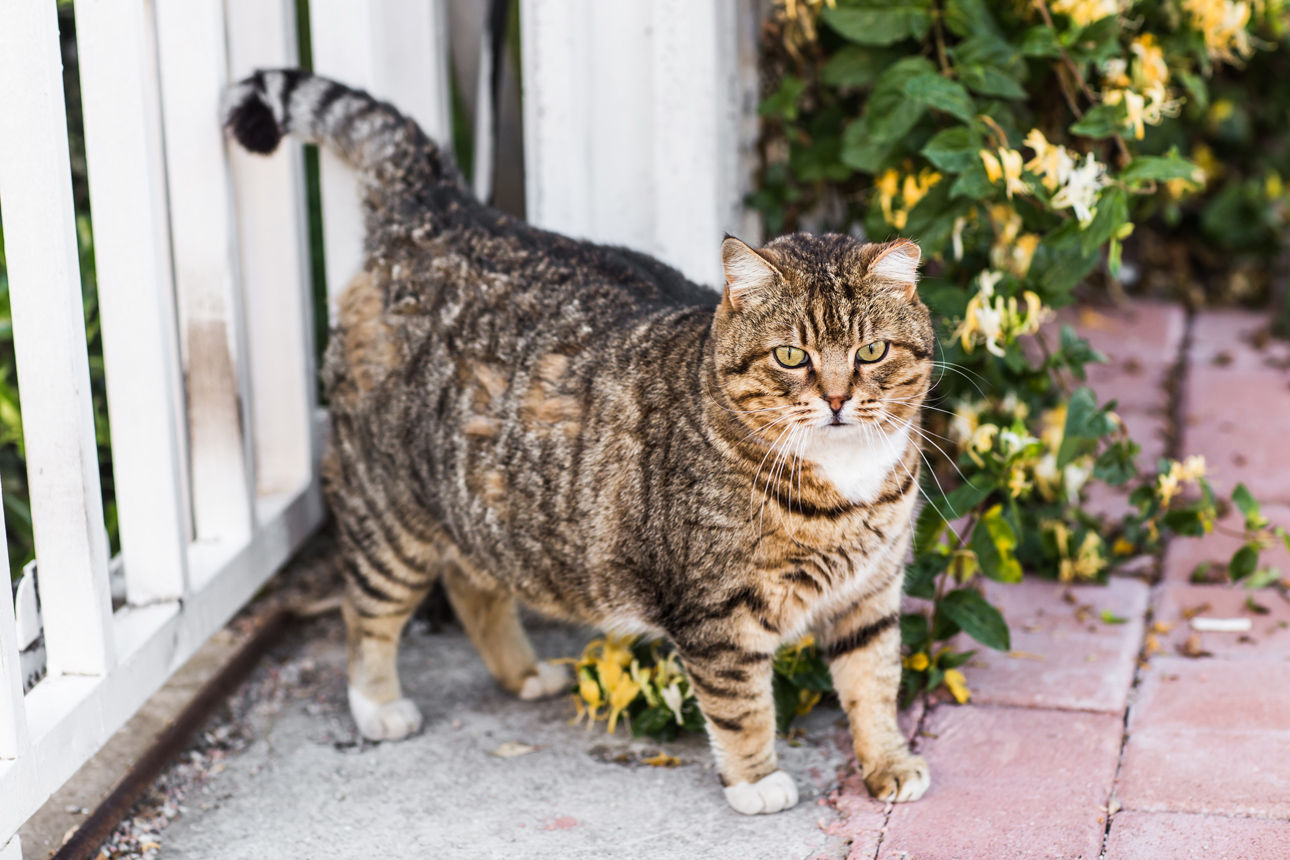
Just like their humans, overweight pets can suffer major medical problems like heart disease, diabetes and degenerative joint diseases. But you might not notice those extra pounds in your terrier or tabby.
“There is a huge gap between what is considered clinically overweight” and what a pet owner might think looks overweight, says Dr. Steven Budsberg, with the University of Georgia College of Veterinary Medicine. Budsberg is part of the Association for Pet Obesity Prevention, an affiliation of veterinarians who work to educate people about healthy pet weight.
Each pet is unique
The Association for Pet Obesity Prevention estimates roughly half of domesticated cats and dogs are overweight or obese, based on its 2014 annual survey of veterinarians who report a day’s visits. The association, however, cautions that you should have your vet examine your pet and work together to find the cause, as there are some medical conditions that can cause weight gain, such as hypothyroidism, parasites or even pregnancy.
Your vet will look at your pet’s body condition score, says Dr. Grace Anne Mengel, a veterinarian at University of Pennsylvania School of Veterinary Medicine’s Primary Care Service. She says, for instance, veterinarians will likely want to be able to feel—but not see—ribs, and see a waistline from the side or above.
Vets can recommend an appropriate daily calorie allowance for an individual animal more accurately than the label on the kibble bag. They may recommend special diet foods or just a reduction in portion sizes.
If it’s time to slim down Fluffy or Rex, a 10% cut in calories is a good way to start, Mengel says. Keep in mind that pet food packaging figures serving sizes based on animals that might not be at the same activity level of your pet.
‘Rabbit food’ for dogs?
Just as humans don’t like to, or need to, abandon all snacks when trying to lose weight, there are low-calorie store-bought animal treats, as well as a few things in your pantry your pet might like, Mengel says. Try offering your dog green beans, carrots or sweet potatoes as treats, Mengel says. Some “healthy” human foods, however, are toxic to dogs, including grapes and raisins, onions and some tree nuts. Do your homework.
Even rice cakes or calorie-free ice cubes appeal to some dogs, says Budsberg.
Try giving part of their meals in treat balls, food-dispensing toys that involve a little work.
There are low-calorie treats out there, Mengel says. But keep in mind, just like with us, all calories count. Adjust meals if you’re giving treats.
“A lot of people show love through food,” Mengel says. “Exercise and other interactions are just as important and just as effective.”