
Keep an eye on your kid’s vision
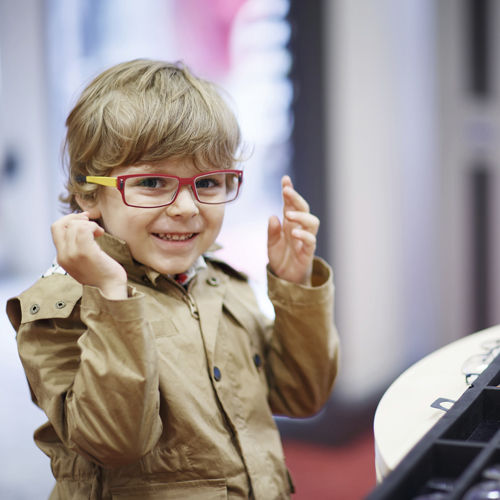
With the start of the school year right around the corner, many parents are thinking about setting up eye doctor appointments to make sure their kids get their mandated vision exams.
And while you might be focused on whether your child will need glasses to see the board in class, Dr. Leonard B. Nelson, a pediatric ophthalmologist at Wills Eye Hospital in Philadelphia, says it’s also important for children to be screened for more serious conditions, such as amblyopia and strabismus.
What to look for
Amblyopia is the term used for when vision in one eye is reduced, known as “lazy eye.” Strabismus is a deviation in the physical alignment of the eyes, also known as “cross eyes.”
And while strabismus can easily be noticed, Nelson says, amblyopia is more difficult to detect. “It’s like high blood pressure because you don’t know you have it,” he says.
That’s why it’s important for kids to have their eyes examined.
Children’s eyes are first checked days after they’re born, and pediatricians make eye screenings part of their regular check-ups as kids grow.
“The child is referred to an eye doctor only if he fails vision screening or develops other problems of the eyes,” says Dr. Jane Edmond, clinical spokesperson for the American Academy of Ophthalmology and an assistant professor of ophthalmology and pediatrics at Baylor College of Medicine in Houston.
The AAO recommends vision screenings begin at age 3. One thing an optometrist or opthalmologist will look for is myopia, or near-sightedness, which typically develops in the early elementary school years, Nelson says.
Common symptoms of potential eye problems include squinting, covering one eye, excessive blinking or eye rubbing, sitting too close to the TV, frequent headaches, and losing one’s place while reading, according to the American Optometric Association. Another is light sensitivity, Edmond says.
“Many children have some light sensitivity but adapt quickly when outdoors. Light sensitivity that does not improve after a few minutes and interferes with play is likely not normal,” Edmond says.
Each of those symptoms, though, could be indicators of other issues, including allergies or even stress, Nelson says. When in doubt, listen to your child.
“A child complaining they can’t see well is something that needs to be examined,” he says.
Is it in the genes?
If you have vision issues, Nelson says “it’s reasonable enough” to assume your children may also develop them, especially if you have near-sightedness or astigmatism, an imperfection in the surface curvature of the eye.
“It’s genetic. It’s in the DNA,” he says.
And if it’s genetic, that means habits like playing on the computer, watching a lot of TV, playing video games or using mobile devices aren’t the source of the problem, Nelson says.
Those habits are more likely to cause eyestrain, which is when your eyes get tired from intense use. Though uncomfortable, eyestrain is reversible if you simply take your eyes off the screens.
“(Eyestrain) doesn’t hurt. It doesn’t affect their vision,” Nelson says.
Preventive measures
While eye problems might be inevitable for some kids, recognizing the issue gives parents a headstart in addressing it.
“You can get treatment earlier to get the optimum outcome,” Nelson says.
Edmond also advocates eating a healthy diet, wearing sunglasses and playing outdoors, which some recent research suggests might help stave off the development of near-sightedness.
Also, make sure your kids wear eye protection when necessary.
“Definitely have your child wear safety glasses if they are involved in certain sports or activities that can cause eye injury,” Edmond says.