
Keep a food journal for your health
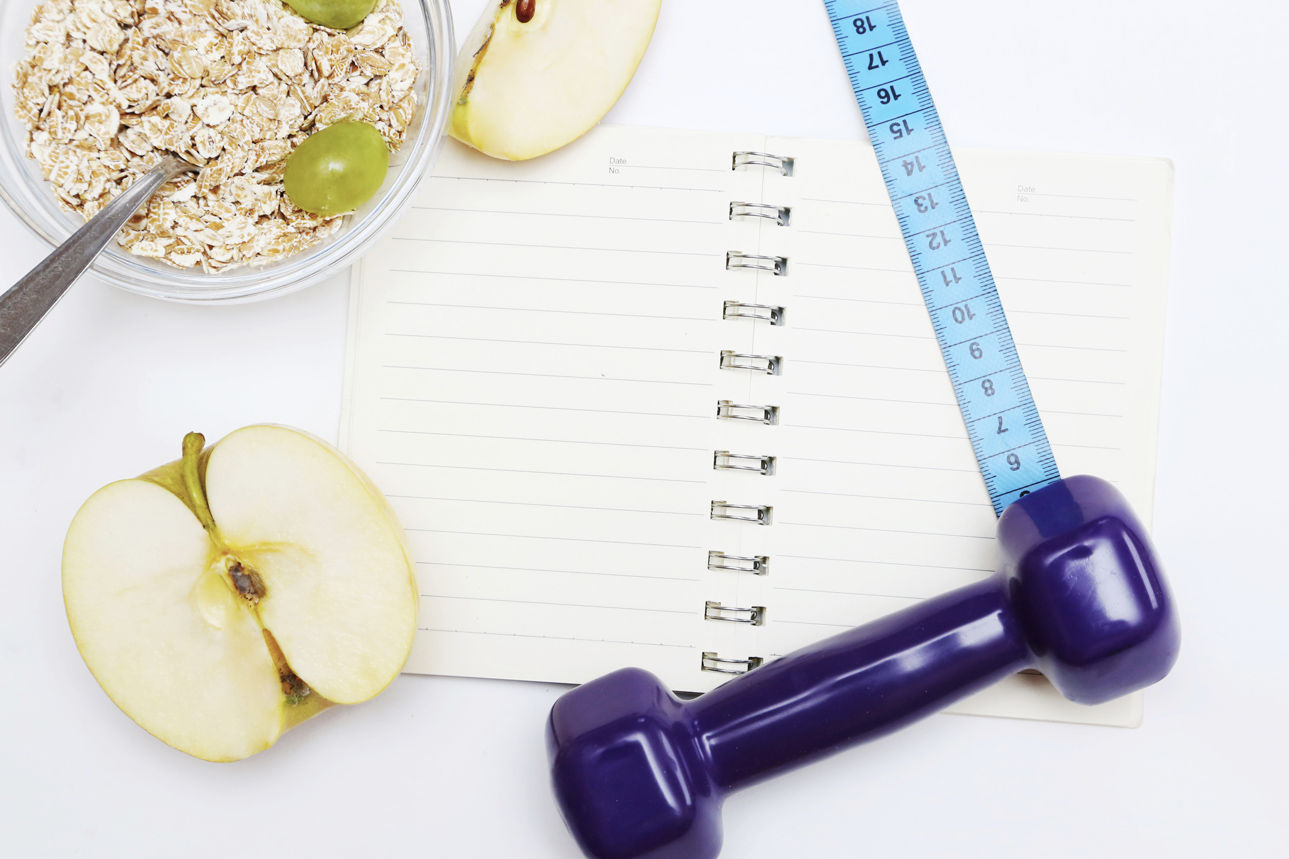
If you crack open almost any diet or fitness book, chances are there is a chapter dedicated to keeping a food journal. But the fact of the matter is food journals can help with much more than just weight loss.
Those with gluten intolerance, celiac disease, anemia, food allergies or diabetes may also benefit, as well as people with kidney stones, or problems with the liver or colon, says registered dietitian Marjorie Nolan Cohn, of the Academy of Nutrition & Dietetics. Even cancer patients may find some advantages to writing down everything they eat.
“Keeping a food journal can help,” Cohn says. “It may not cure (your health issue), but what we put into our body without a doubt 100% affects how our body functions.”
Food journals make it easier to pinpoint nutritional deficiencies in your diet, and you can gain helpful insights about your health by getting into the nitty-gritty of what you’re really eating—even going online or using an app to digest information about prepackaged foods. This is especially useful for identifying food allergies and intolerances.
“We are eating so many additives and ingredients. You think you are eating a granola bar, but you are really eating 25 things,” Cohn says.
Sixty to 70 million people in the United States are affected by digestive diseases, Cohn says. Keeping a food journal is especially important for these people.
“Food allergies and digestive issues are on the rise,” she says.
“Diagnosis rates are increasing tremendously in the last 20 or 30 years. It’s astounding.”
The great thing about food journals is that they give people greater awareness about how their food and exercise choices affect achieving their goals, says Glennis Coursey, coaching lead for MyFitnessPal, a calorie counter app. For example, adding mayonnaise to a sandwich adds about 100 calories versus five calories for mustard.
“That is not a number you can unsee, once you have that awareness,” she says.
There are plenty of options for tracking food. You can write it down in a notebook, fill in a template on a computer or type in notes on your phone or in an app. The important thing is to use a method that works for you, and you are most likely to stick with, she says. It’s also useful to work with a registered dietitian nutritionist.
Cohn recommends MyFitnessPal—which has 90 million registered users—to weight loss clients, and mySymptoms Food & Symptom Tracker for those with irritable bowel syndrome, digestion issues and allergies.
A food journal doesn’t have to be perfect to be helpful, Coursey says. Maybe you just log breakfast for their first week just to get the hang of it. It doesn’t have to be every little bite and it’s OK to pick comparable items if you can’t find exactly what you are eating.
“It’s really important for users, when they are just getting started especially,
to remember that it’s always better to track something instead of nothing,” Coursey says.
It’s also best not to do it alone. “Users who add a friend on the app are twice as likely to lose weight,” she says. “It’s huge.”