
Is your food coloring safe?
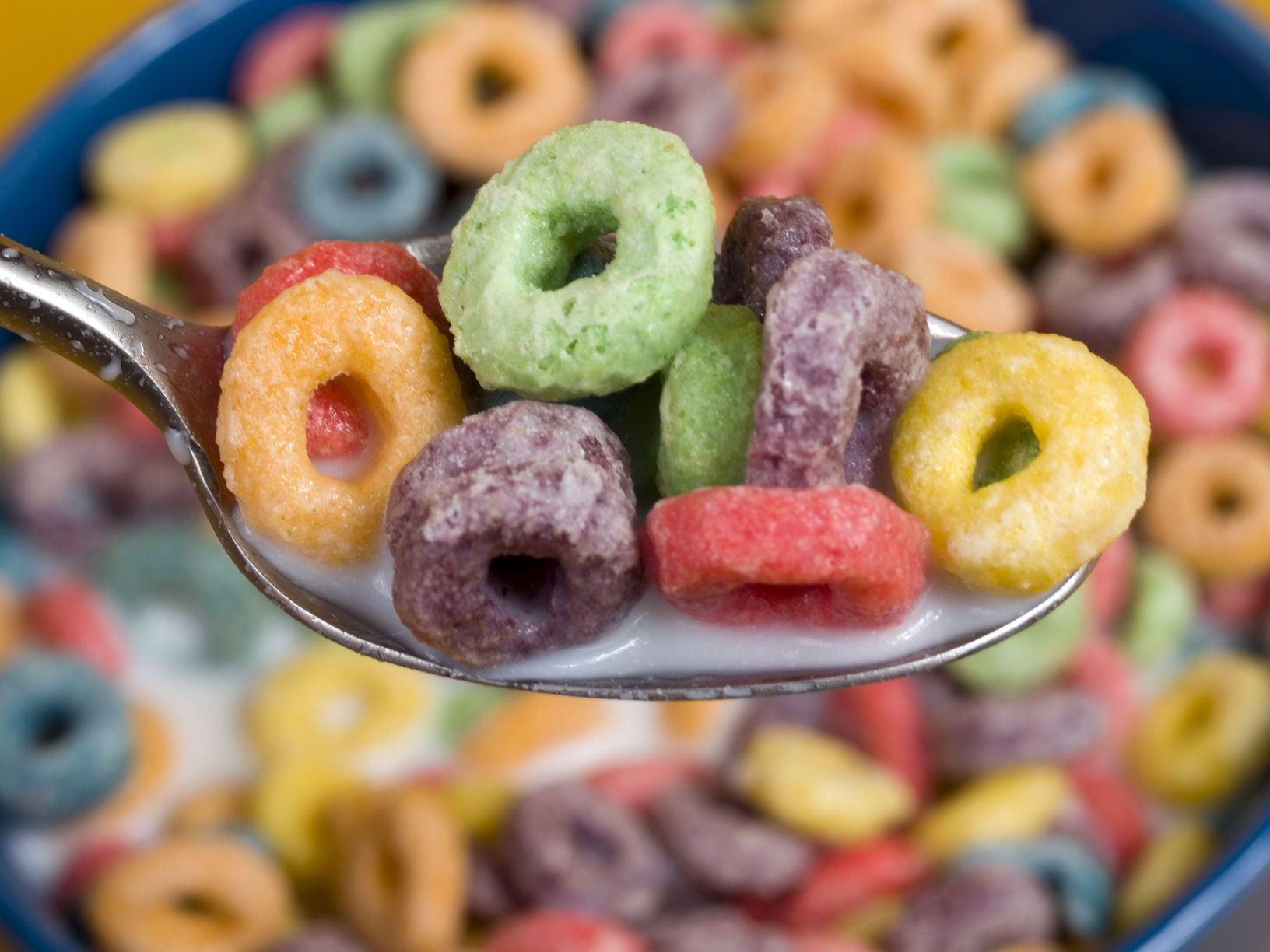
As the demand rises for chemical-free food ingredients, more manufacturers are embracing plant-based dye alternatives over synthetic food coloring. This shift is the result of growing concern about the types of food we eat and how they affect our overall wellness.
“Over the past two decades, consumers have become increasingly concerned about what they put in their bodies,” says Gavin Sachs, associate professor of Food Science at Cornell University.
“People are eating better, and with that comes a growing concern about everything listed on a product label.”
Many of the synthetic dyes used today are petroleum-based. Consumers don’t often like the sound of that. Yet, they have also grown accustomed to the food being brightly colored and attractive.
Using natural food colors is a good way to add nutrients to your diet, Sachs says. Beets can be used to create a red hue, and they are high in vitamin C, fiber and potassium. You can use turmeric, which acts as an anti-inflammatory, to color food yellow.
But, though it sounds simple, there are challenges that come with using plants to dye food naturally.
“The challenge of using plant-based food dyes is that everything a plant produces will eventually biodegrade,” Sachs says. “The dyes in a plant were designed to operate within a particular organ within the cell. They last a long time within the plant, but when you extract the juice, it’s exposed to oxygen and the color consistency changes.”
And when colors appear less vibrant, consumers are prone to believe that the food is not fresh. Natural colors can also change the flavor of a product. These differences challenge food manufacturers and marketers to come up with solutions for how to make dyes more natural while maintaining taste and the vibrant color that synethetic coloring provides.
“There are a lot of clever food scientists looking for ways to better stabilize the colors, using products people are comfortable with,” Sachs says.
There are also questions about whether synthetic food coloring actually is harmful. Some natural food advocates point to synthetic food dyes as a contributing or even direct cause of a variety of illnesses and disorders, including attention deficit disorder. However, Judith Dodd, a registered dietician and associate professor of Nutrition and Dietetics at the University of Pittsburgh, says that current research does not support this conclusion.
“I was part of the original research on ADD and food coloring,” she says. “We still don’t have the evidence to support that food coloring causes it.”
Because each person has a different genetic makeup, it’s possible that people may experience differing reactions to synthetic ingredients. Dodd recommends consulting a physician if you suspect that an allergic reaction may have resulted from a synthetic food dye.
“What it comes down to is how your body reacts,” Dodd says.