
Are you getting too much folic acid?
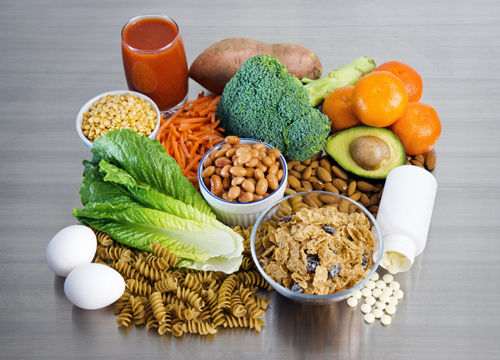
If you’ve ever read the side of your cereal box, you’ve probably noticed folic acid listed on the nutrition label. If you looked closely, you’d notice anywhere from 50% to 100% of your daily value is covered in one serving.
But if you’re like most people, you didn’t give it a second thought because, in reality, most people don’t know what folic acid and folate are—or that they’re actually different from each other, and they’re both important to your health.
“Even dietitians and nutritionists mix up the terms,” says Sue Petersen, clinical nutritionist and owner of Health Simple Is in Romulus, N.Y. “The words are used interchangeably, but there’s a significant difference.”
What are they?
Folic acid and folate are forms of vitamin B9, which we ingest through three sources: food (whole plants), vitamins and mass-fortified processed foods. If you’re eating all three, you can easily absorb more than the recommended amount.
Folate occurs naturally in plants and whole foods, including leafy vegetables, asparagus, fruits, beans, mushrooms and some meats. It helps vital cells, especially red blood cells, form and grow. Folic acid is a synthetic addition to supplements, vitamins and foods.
Neither is bad, but as people have begun eating more whole foods, taking more vitamins and also eating folic acid-fortified foods, our intake has increased. As we ingest more, we aren’t counting micrograms or understanding differences, and some of us now take in more than our bodies can convert.
The ups and downs
Folate is easily processed through the small intestines, Petersen says. The body is adept at using it, and maintains healthy levels by expelling excess folate through urine.
“We assimilate better to folate than to folic acid,” Petersen says. “Nature put protective properties in fruits and vegetables to balance out excess.”
On the flipside, folic acid, which lacks the protective properties found in folate, is processed through the liver, and any excess folic acid that the body can’t metabolize “becomes toxic, enters the bloodstream and is available for any cells to feed upon,” Petersen says. Folic acid does help cells grow, but it doesn’t discriminate between good and bad cells, which means it can also make cancer cells reproduce.
When enough is enough
Figuring out how much you’re taking in and how much you need is complicated because people need different amounts, and some medications deplete it.
The National Institutes of Health recommends people 19 years and older aim for 400 micrograms of folate per day. The reality, though, is that the average person isn’t paying attention to natural versus synthetic or even monitoring their intake levels. It’s also difficult to monitor how much you’re taking in since that number can differ from day to day.
“Some days you take in 2 micrograms and some days 200 micrograms,” Petersen says. “It fluctuates based on what you eat.”
According to Petersen, the best way to ensure you’re getting the right amount of folate and folic acid is to focus on whole foods, including veggies, leafy greens and fruits.
“People eating whole foods get what they need. People with deficiencies, or whose doctors recommend it, should take supplements,” she says. “It’s a really delicate dance that goes on in everybody’s body, but if you eat correctly, don’t worry.”