
In the Beat of the Night
Disruptions to circadian rhythm can have long-term effects
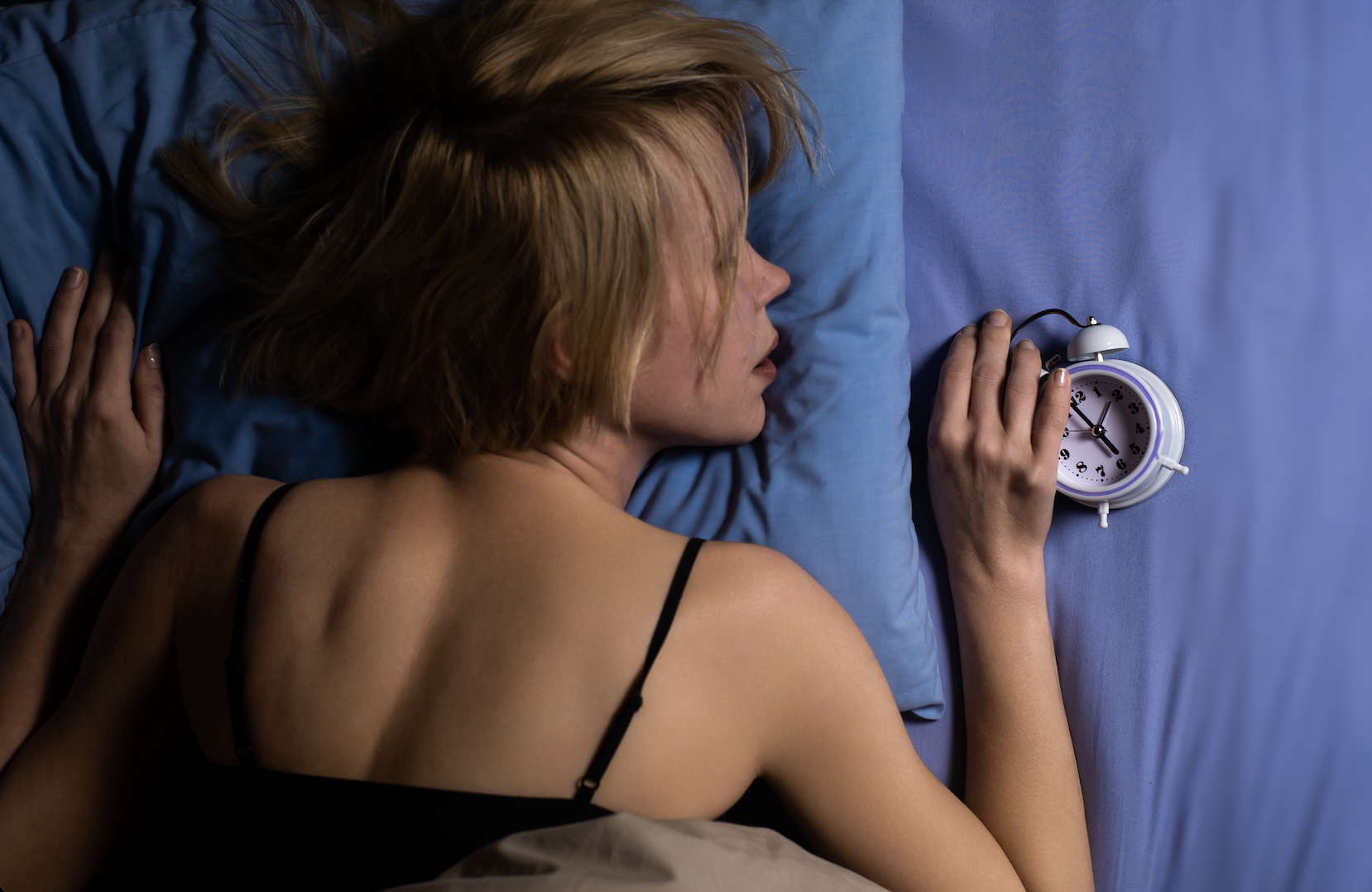
It may sound like a band of percussionists, but “circadian rhythm” is actually the body’s natural sleep-wake cycle.
Hard at work within your brain is a “master clock” that determines your personal circadian rhythm by sending signals to other parts of your body, helping to regulate hormones, digestion and body temperature.
Circadian rhythm is strongly affected by light and dark.
“Light entering your eye triggers your body to quit producing the sleep hormone melatonin, saying it’s time to wake up,” explains sleep medicine physician Dr. Christopher Pham.
Newborns develop circadian rhythm at around 3 months, producing melatonin in response to their environment. Keeping to a fairly consistent nine- to 10-hour sleep schedule helps to regulate melatonin.
Although they still need that same amount of sleep, teenagers typically experience a shift in their circadian rhythm as they go to bed later and sleep in, with their melatonin levels following suit.
Travel or a cross-country move to where the sun rises and sets differently will influence circadian rhythm.
“It may take time to adapt, but will eventually adjust,” Pham says.
Other affecting factors include:
- Diet and metabolism
- Stress and mental health
- Physical activity
- Environmental temperature
- Shift work
- Certain medications
- Health issues involving the head or brain
- Poor sleep habits
Circadian rhythm disruption can impact health short term by contributing to digestive problems, fatigue and memory loss. It can lead to long-term conditions that impact the neurological, endocrine and cardiovascular systems.
Adults should maintain a consistent circadian rhythm with a regular seven- to nine-hour sleep-wake schedule.
“Consistency is key,” Pham says. “Bedtime and wake-up time should remain the same every day, including weekends and vacation.”
Should you need to reset your rhythm, he advises going “back to the basics.”
“Maintain a healthy, active lifestyle and skip the afternoon nap.”