
How to cope with chronic pain
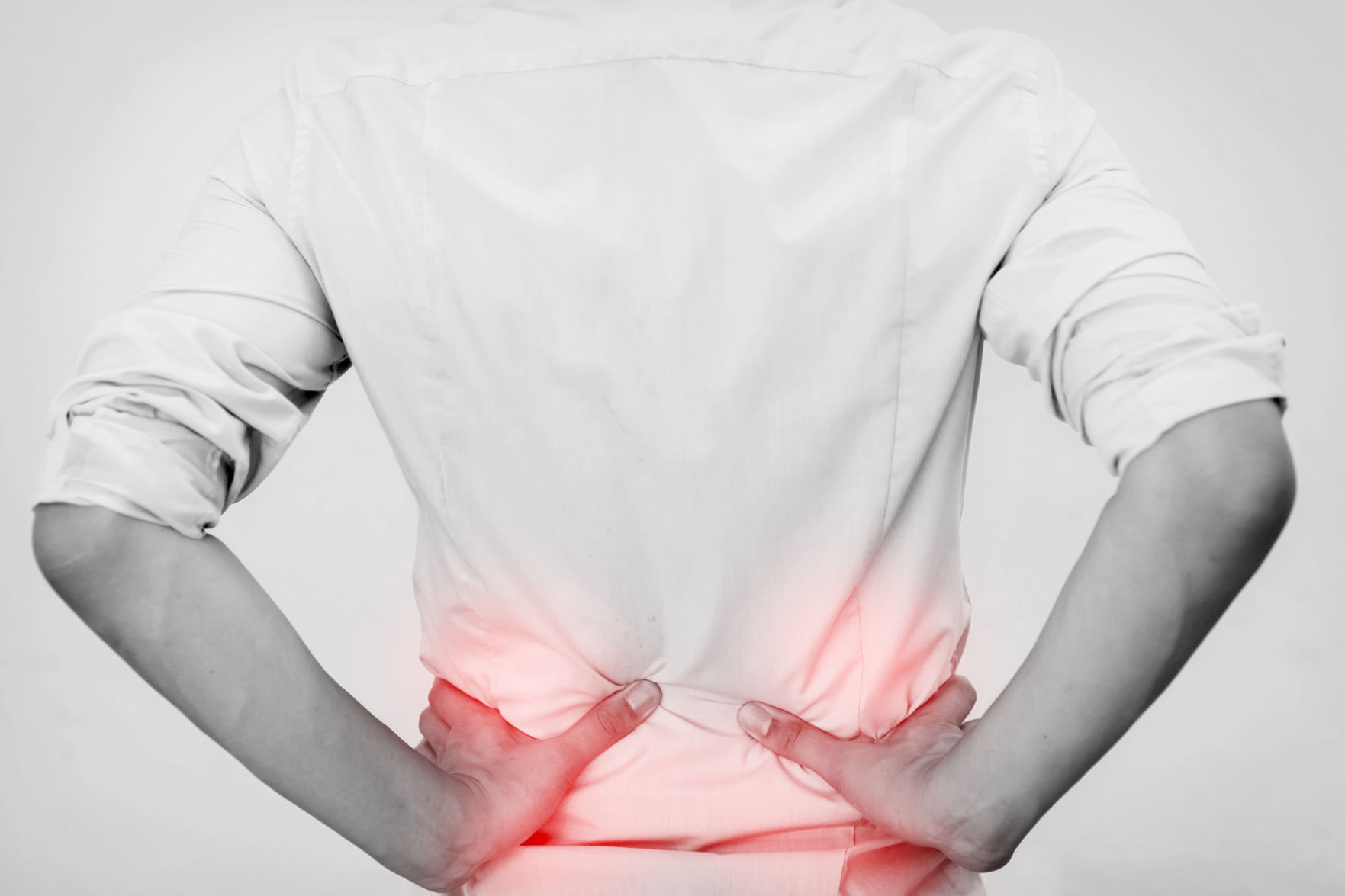
Sore muscles and aches come and go, but pain that sticks around—also known as chronic pain—can be life altering.
The number of people suffering from chronic pain is more common than you might think, with about 100 million Americans suffering from it, says the American Academy of Pain Medicine.
How do you know the difference between short-term pain and pain that’s lasted far too long, and when is it time to seek help?
For starters, pain that lasts for more than six months is considered chronic as opposed to acute pain, which comes on quickly but lasts for a relatively short amount of time, The American Chronic Pain Association says. Acute pain is most often curable.
Generally speaking, the most common chronic pain appears in the head, neck, hips and lower back. It can then manifest into headaches, fibromyalgia and arthritis.
If pain lasts longer than normal, you should talk to your primary care doctor, says Dr. Bridget Paul, a family practitioner in Fort Wayne, Ind.
“Some pain can be cured or treated and some you just have to live with or manage.”
Pain management can take on many forms since chronic pain is not just physical—you also have to manage the mental and emotional ramifications.
Chronic pain and depression are often linked.
In some cases, the pain causes the depression, and in others the depression causes pain, says Dr. Thomas Guck who specializes in chronic pain management at Creighton Hospital in Omaha, Neb.
“We have to help the patients re-conceptualize their pain. They have to think about their pain not as an indication of tissue damage or harm, but that it hurts and that hurt is real,” Guck says. “The second part is re-activation.”
That re-activation is where personal trainers or physical therapists, like Don Willard, come into the picture.
When the patient can’t control the pain and the pain begins to control them Willard, the clinic manager at Advanced Rehab & Sports Medicine in Williamsburg, Ill., suggests they come see a physical therapist.
It’s important for patients to get moving and exercising, Willard says. Keep moving in spite of pain, and make sure the movement is safe and effective.
Willard says posture plays a role, as well, as improper posture can increase or cause some pain.
Chronic pain doesn’t have to rule your life. With help from a professional, you can learn to manage the pain and live a healthy and active life.
“We are basically teaching them how to move and move more with less pain,” Willard says.