
How to care for your aging pet
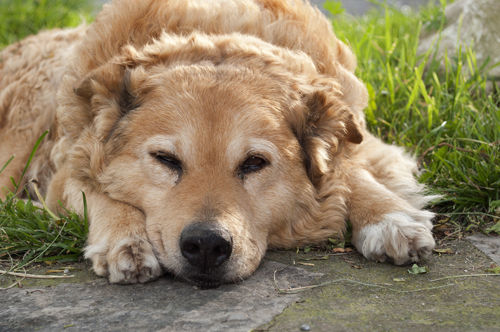
Just like when humans get older, aging pets face a number of obstacles. They often have trouble getting around and can experience incontinence, as well as changes in appetite.
While it’s impossible to keep an animal as spry as when it was a puppy or kitten, there are things pet owners can do to maintain their aging pet’s quality of life.
Know Your Pet
Dog owners should be familiar with the life expectancy and health risks associated with their dog’s breed, says Colin Keith, a trainer at Peninsula Pups Doggie Daycare in Erie, Pa.
Cats tend to be a little more individual, so spotting age-related changes could be trickier, says Nina Thumser, a professor in the Biology and Health Services Department at Edinboro University of Pennsylvania. It’s important to be aware of changes in behavior and activity levels.
Start Young
As with people, pets that are healthy in their youth have a better quality of life for a longer time, Thumser says.
Weight plays a major role in the longterm health of your pet, Thumser says. Overweight animals have an increased risk for diabetes, particularly as they age. It also puts a strain on their bodies.
“Once you add the weight, you add to the back and hip problems,” she says.
Dental hygiene is also important and should be started at a young age. Animals whose owners have brushed or scraped their teeth for years are more apt to tolerate dental care as they age, Thumser says.
Learn New Tricks
Like humans, older dogs and cats will want to keep doing the same things they’re used to. Owners should adjust, but not completely change, their routines, Keith says.
“Sometimes it is more about retraining the human than the dog,” he says.
Exercise should remain a priority, Thumser says, though you can decrease the distance or speed of your daily walks.
Remember that potty trips outside might need to be more frequent.
Cat owners can have their feline friends play a game of chase with the light from a laser pointer—anything to keep the animal active and healthy, Thumser adds.
Trust Your Vet
Because health issues are bound to creep up as a pet ages, it’s important to have a trustworthy veterinarian, Keith says. A good vet will tell the owner about the risks and possible outcomes of surgeries or other treatments.
“Any time you perform a major surgery, you’re going to put that body through trauma,” he says.
To help minimize the stress and pain surgery may cause, a vet should also be able to recommend alternative options, like laser treatment or hydrotherapy.