
How non-smokers can reduce the risk of lung cancer
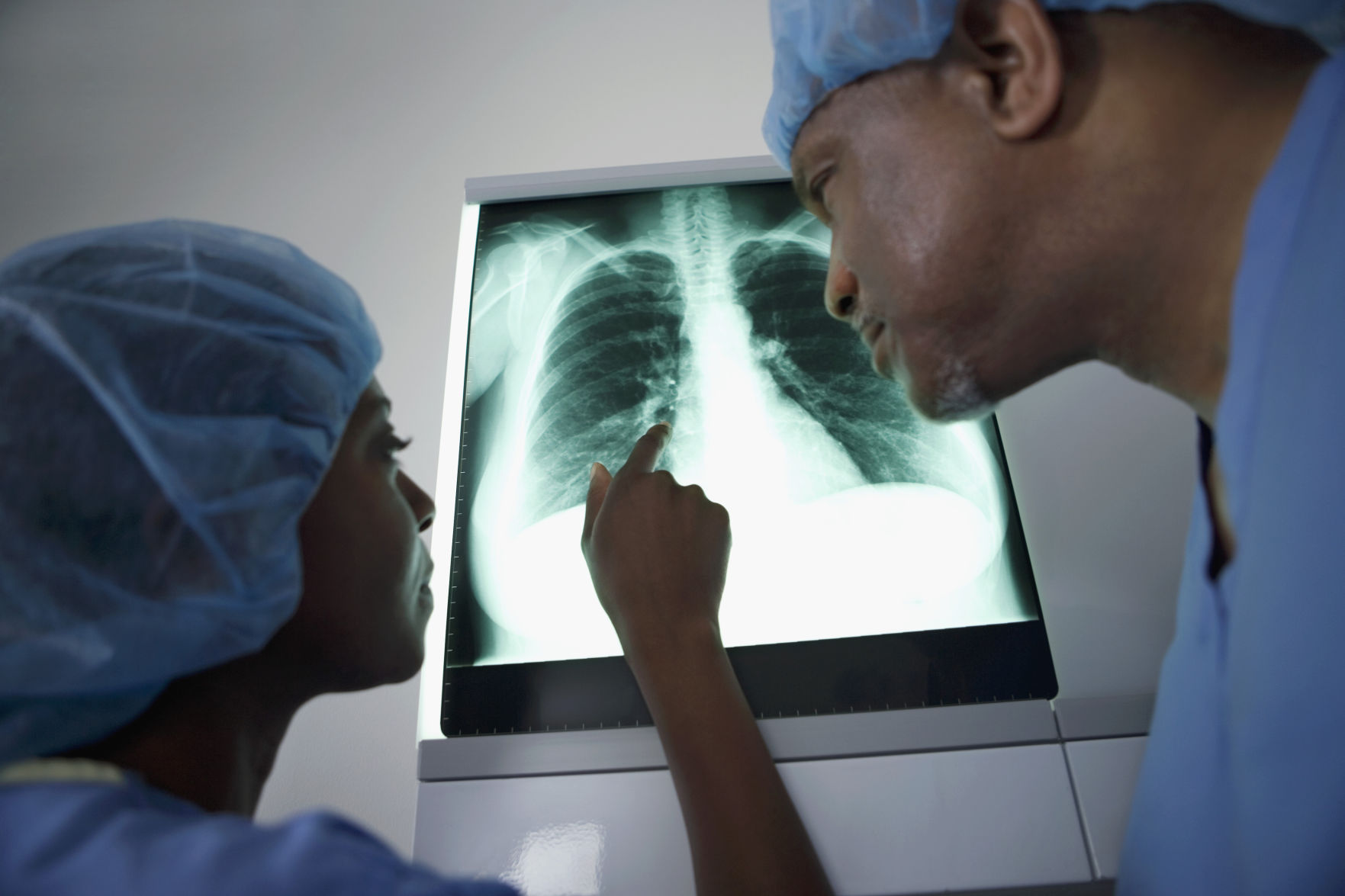
We often conflate lung cancer with cigarettes. Yet, a solid 20% of people who die from lung cancer never smoke a day in their lives. While it’s true that smoking is strongly correlated with lung cancer, it’s not the only lifestyle variable that can predict your chances of developing this often-fatal disease.
At Home & Work
Radon gas may be less frequently talked about than cigarette smoking, but exposure to it is a clear predictor of lung cancer. According to Angela Tin, vice president of Environmental Health for the American Lung Association, any home in any part of the United States could be affected by radon gas pollution.
“Radon is the result of radioactive decay of uranium,” she says. “The radioactive gas enters our homes and can result in DNA damage, thereby causing lung cancer.”
Any home is susceptible to radon gas pollution, which is why it’s important to test for it. You can do some simple at-home tests to figure out whether there is any cause for concern. If you’re uneasy about completing the test yourself, you can bring in a certified professional to do the test.
Occupational hazards such as exposure to asbestos and time spent in mines and industrial plants can also cause lung cancer. Cancer.org recommends limiting your exposure to these substances, if possible. If you work around asbestos, your best bet is to wear a respirator, as paper dust masks don’t filter out asbestos fibers, according to the Minnesota Department of Health.
It’s In the Air
Air pollution is another known perpetuator of lung cancer, says Cancer.org.
Everything from nearby combustion sources to mobile transportation vehicles—including standard compact cars—can pollute the air around us, increasing our chances of developing lung cancer.
If you live in polluted areas, Tin says, you should be on particularly close watch for signs and symptoms, including a cough that doesn't go away, chest pain, hoarseness, wheezing, and feeling tired and weak.
Reduce Your Risk
It may seem like, apart from smoking, many of the risk factors for developing lung cancer are unavoidable.
While you may not be able to change the nature of your job, move out of the city where you live, or sell your home simply because of a radon problem, you can take steps to create a cleaner, safer environment for yourself and your family.
First, evaluate the danger level of radon levels in and around your home. The American Lung Association provides information on how to find a professional, or it can provide you with a kit to perform the test yourself.
“We operate a radon and lung cancer hotline and provide radon test kits,” Tin says.
Help make the world a safer and cleaner place—and reduce pollution—by adopting more environmentally friendly practices in your day-to-day life, Tin says.
Taking public transportation can dramatically decrease the amount of environmental toxins generated per capita. So can choosing cleaner consumer products, such as all-natural cleaners and detergents. It’s also a huge bonus if you can support the use of clean energy sources such as wind and solar power.
“Provide a better indoor heath environment by reducing chemical usage, using green building materials and avoiding the use of combustion sources like fireplaces,” she says.