
How much caffeine is too much?
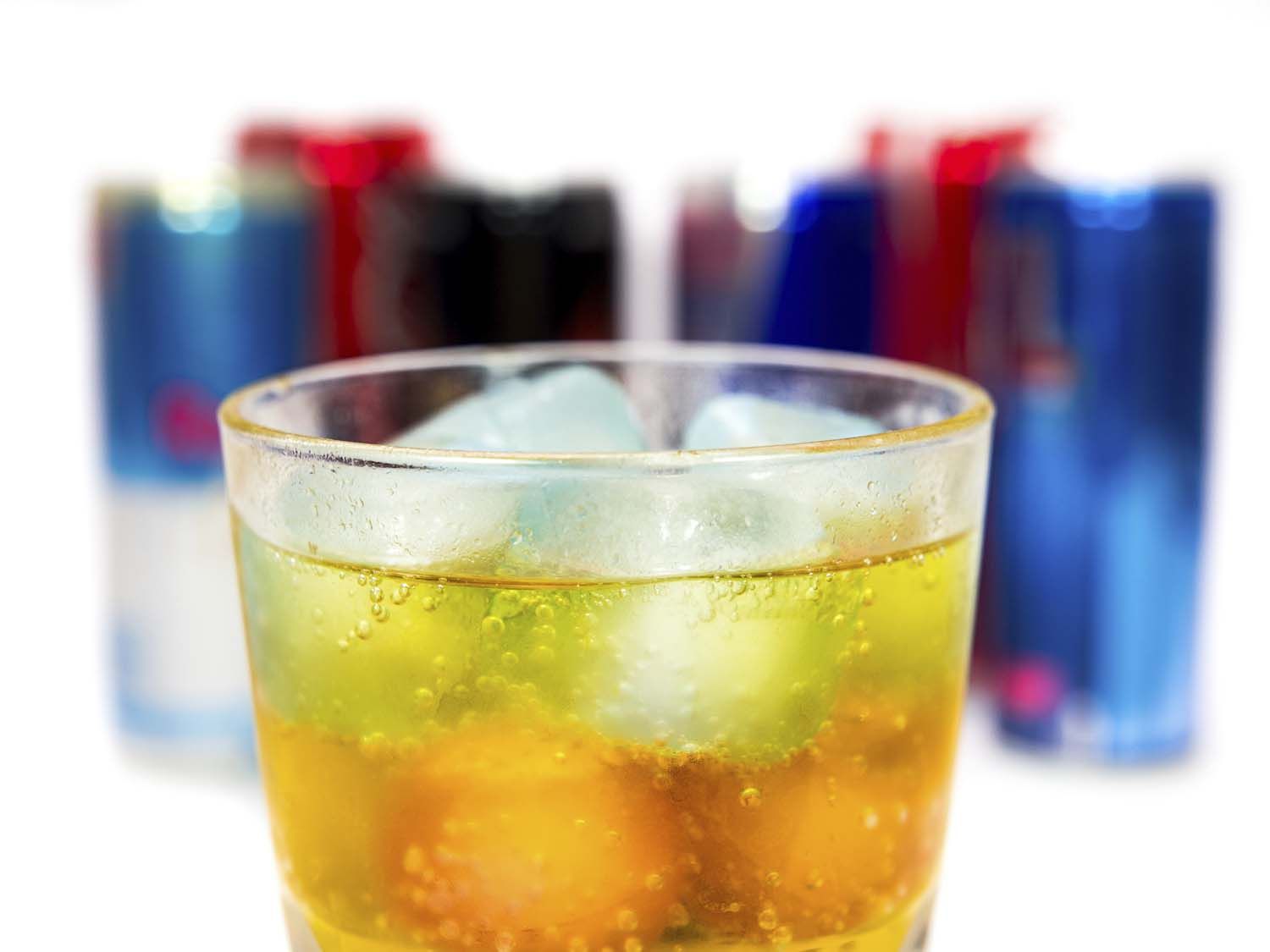
We all could use an energy boost at times. Smart phones keeps us rooted to our jobs at all hours, and we oftentimes end up working long after we’ve left the office. Sometimes we end up staying out late with friends or—if you’re a parent—staying up all night taking care of the kids.
To keep us alert for more hours during the day and night, we now have a lot of different options in the energy-boosting department. From carbonated energy drinks like Red Bull and Monster, to the tiny 5-Hour Energy shots, we have a whole new array of stimulants beyond just coffee and tea.
But how effective are they really? And can they be dangerous to our health?
Often relying on caffeine, B-vitamins and caffeine-carrying plants like guarana, energy drinks are products with highly targeted marketing. After all, the word “energy” is in the name. “I think there’s a serious placebo effect,” says Anita Mirchandani, a New York City-based registered dietitian and personal trainer. “You have a certain satisfaction when you drink them, thinking to yourself ‘I’ve had this drink. It will keep me up.’ But really you are psyching yourself up. There’s a whole psychology to the marketing of energy drinks. It’s a gimmick in my opinion.”
Energy drinks don’t pose much of a threat to health if people consume them in small amounts, especially if sticking to a single serving at a time, Mirchandani says. As with any food or beverage, it’s important that people examine ingredients closely and know what they are ingesting, especially to learn exactly how much caffeine and sugar a product might have.
“Energy drinks have a lot of sugar in them,” Mirchandani says. “When you take guarana or green tea extract, or something that’s caffeinated, you have to figure out the actual dose of caffeine. It’s important to know what your body is used to.”
According to the Mayo Clinic, up to 400 milligrams of caffeine a day is safe for most healthy adults. An 8- to 12-ounce cup of coffee can have anywhere from 100 to 200 milligrams of caffeine. Depending on the coffee beans used and how the coffee is made, the caffeine level can fluctuate even more.
As a tried and true alternative to energy drinks, pure black coffee—not something topped with whipped cream that is essentially a coffee-flavored sugar bomb—is the best way to give yourself an energy kick when you are dragging. Green tea in its pure authentic form is also a good source of caffeine and also is an antioxidant.
“Exercise in the hours before you need the energy can also help you,” Mirchandani says. “Sometimes resting, going to sleep for 15 to 30 minutes also can help. Just keep in mind that energy drinks are largely marketing gimmicks.”
How much do you drink?
According to the Mayo Clinic, a healthy adult can safely consume about 400 milligrams of caffeine per day. So how much is in your drink of choice? ConsumerReports.org measured popular energy drinks and found caffeine levels ranging from about 6 milligrams to 242 milligrams per serving. Remember, a number of energy drinks are sold in containers that include enough for two servings. So, for some, if you drink a whole can or bottle, you’ve consumed double the amount of caffeine listed.
| Drink of Choice | Serving Size | Caffeine |
| 5-Hour Energy Extra Strength | 1.9oz | 242 mg |
| Rockstar Energy Shot | 2.5oz | 229 mg |
| 5-Hour Energy | 1.9oz | 215mg |
| Starbucks Doubleshot | 15oz | 162mg |
| Nestlé Jamba | 8.4oz | 98mg |
| Monster Energy | 8oz | 92mg |
| Red Bull Energy Drink | 8.4oz | 83mg |
| Amp Energy | 8oz | 71mg |
| Archer Farms Energy Drink Juice | 12oz | 55mg |
Source: ConsumerReports.org