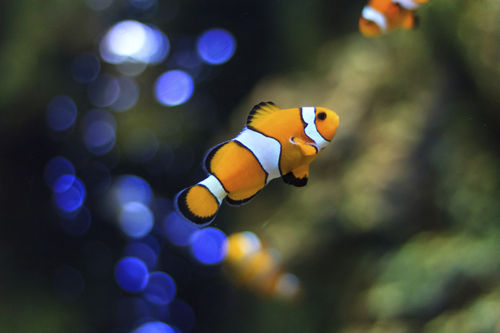
How aquariums impact your health
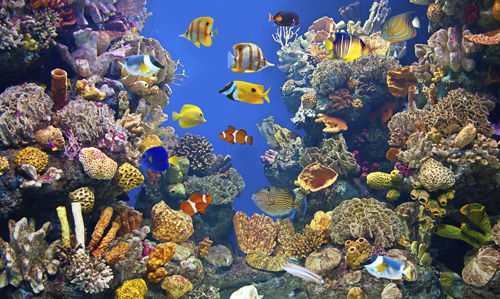
Spend five minutes in front of an aquarium filled with swimming fish, and take notice as a feeling of calm washes over you.
Watching fish in an aquarium has a soothing effect on most people, and studies have shown it provides health benefits, including lower blood pressure. It can also help people with Alzheimer’s.
“Anything that will hold your attention to stay in the present is a source of relaxation because most stress comes from worrying about the past or worrying about the future,” says Dr. Alan Beck, professor in Purdue University’s College of Veterinary Medicine.
That’s probably why aquariums are often found in places where people often feel stressed out.
“It’s very common now to go into dental offices—waiting rooms in general—and see fish tanks,” Beck says.
Studies Show
Beck and his colleagues have conducted a number of studies on fish aquariums and the positive mental and physical effects they can induce.
In 1984, while working at the University of Pennsylvania, Beck, along with researchers Aaron Katcher and Herman Segal conducted a study about anxiety related to dental surgery, part of which focused on the calming effects aquariums had on patients. They found that prior to oral surgery, pretreatment with aquarium contemplation “produced significantly greater degrees of relaxation during surgery,” including reduced blood pressure and heart rate in both subjects with high blood pressure and those without.
In their 2002 study, titled Animal Assisted Therapy and Nutrition in Alzheimer’s Disease, Beck and Nancy Edwards found that watching fish in aquariums can help calm people with Alzheimer’s disease when they are agitated, which in turn can help improve their appetites.
A Learning Experience
Beck says owning fish is a rewarding experience.
“It’s one of the few pets where you are truly in charge of the whole animal’s existence,” he says. “You’re the environmental manager—you’re the god.”
It also can be a great way for children to learn about nurturing.
“For a younger person to get an opportunity to be a nurturer is a good experience, especially for male children who don’t have many nurture games, at least in our culture,” Beck says.
Beck also sees it as a window to getting younger people interested in aquatics and environmental issues. Also, because fish are so varied, he says it could increase interest in learning about other parts of the world.
Owning an Aquarium
Before diving into aquarium ownership, talk to an expert at a local pet store that specializes in fish. Steve Mills is owner of Aquatic Interiors Seacave, in Akron, Ohio. He has been selling and maintaining freshwater and saltwater tanks for 35 years, and offers some tips.
Getting Started
Aquarium ownership goes wrong when people try to piece aquariums together from a variety of sources or end up getting fish that don’t “play nice” with each other, Mills says. Check with your local pet shop to get everything you need and to learn how to correctly feed the fish.
Healthy Habitat
Properly clean and maintain the tank and the water. Remember, saltwater aquariums can be much more difficult to maintain, as the fish are more delicate and susceptible to diseases. Water temperature and lighting are extremely important. If you own saltwater fish, you can hire a professional to maintain the tank.
Auto Aquarium
Consider looking into technology to help you maintain your tank. “I’ve got systems that pretty much run themselves,” Mills says. “They even have phone apps that will alert you when something goes wrong with the tank. It really comes down to how automated you want everything to be.”