Hospitals' redesigns foster better healing
Calm colors and warm lights make us feel good. And, when we’re in the hospital, they might even help us heal faster. As more medical centers bring in natural light and relaxing artwork, they’re making the stay less scary, and speeding up recovery times.
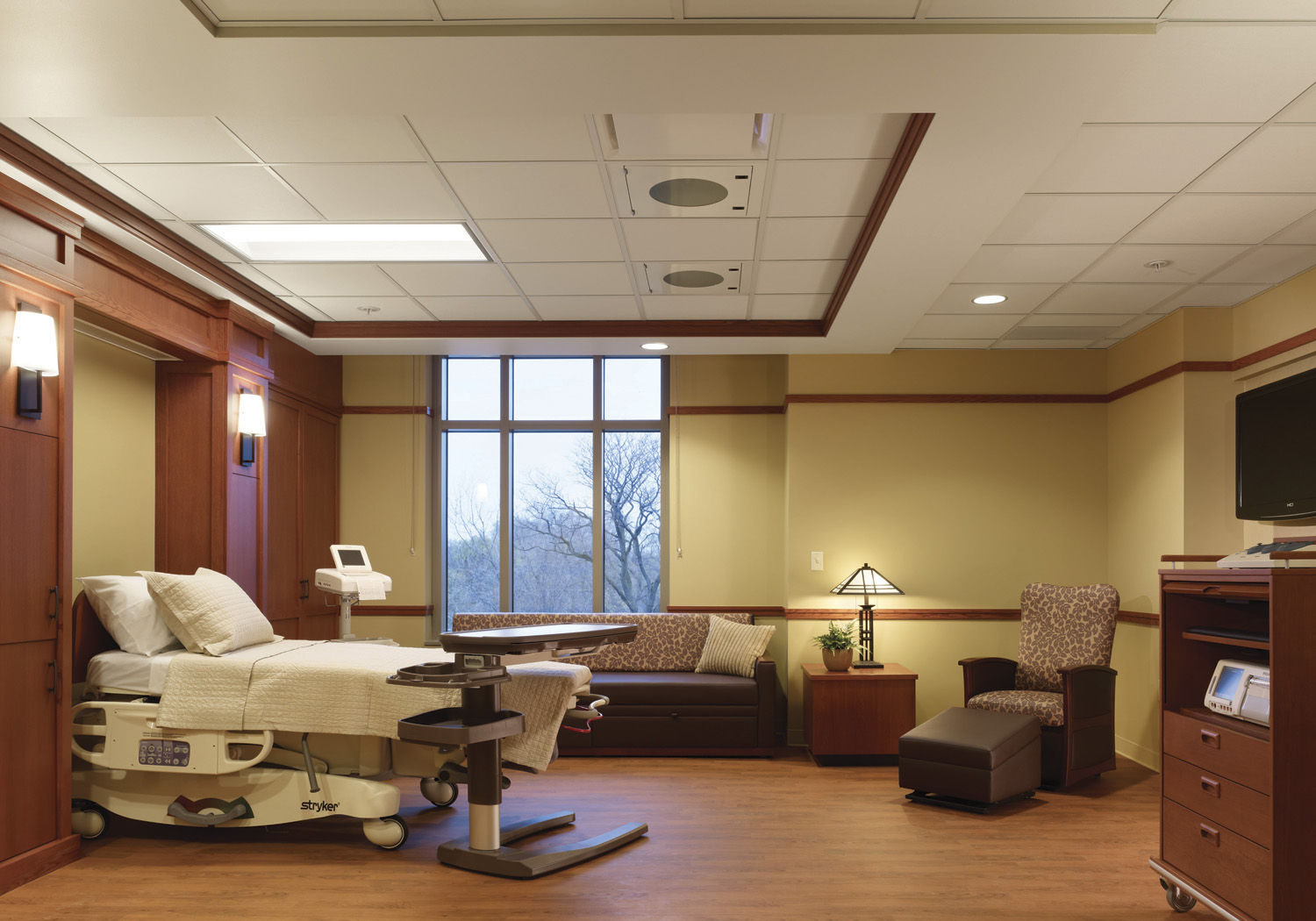
Take a stroll through the newly completed patient wards of Elmhurst Memorial Hospital in suburban Chicago, and you might do a double-take. The soothing waterfalls, spacious single-occupancy suites, Internet access and room service meals sound like something at a five-star hotel.
These amenities are impossible to miss, as are the looks of wonder from patients and visitors, says Joanne Muzzey, the hospital’s director of patient advocacy.
“Why can’t a hospital be more of a resort setting, and more comfortable, rather than a place of sterility, with everything white and stripped down?” Muzzey says.
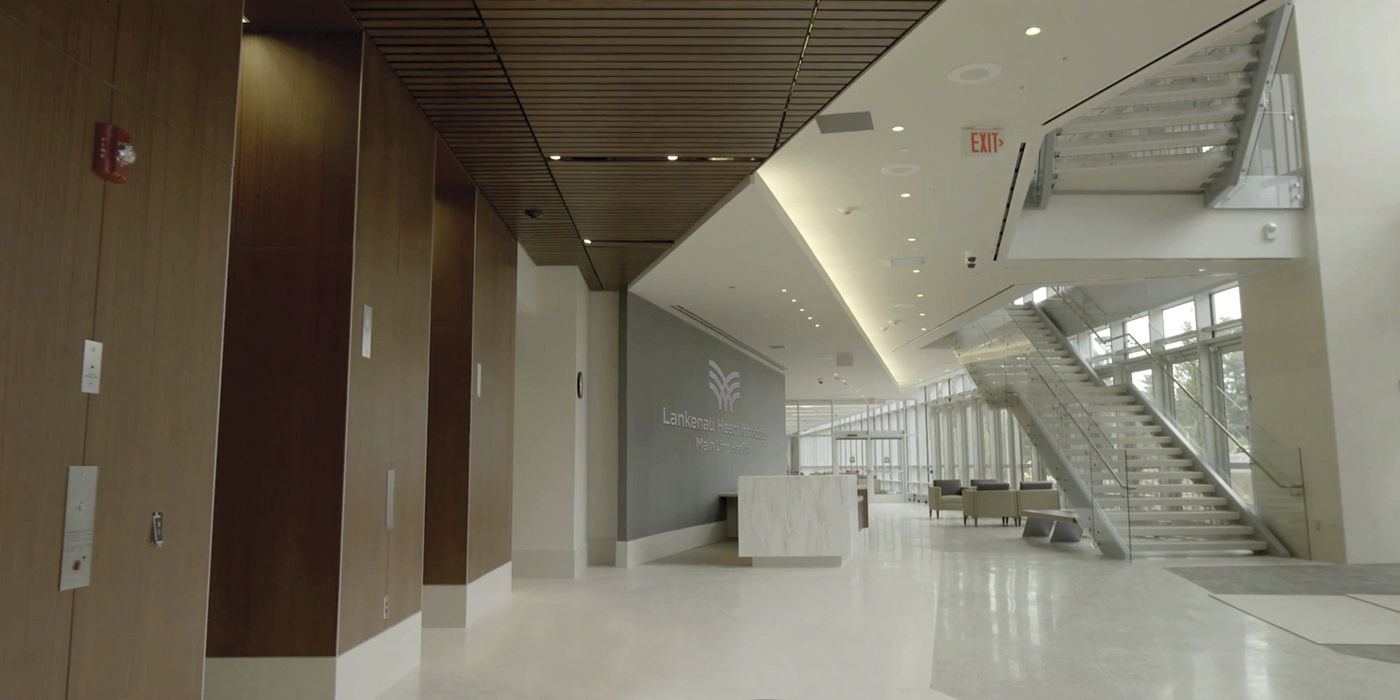
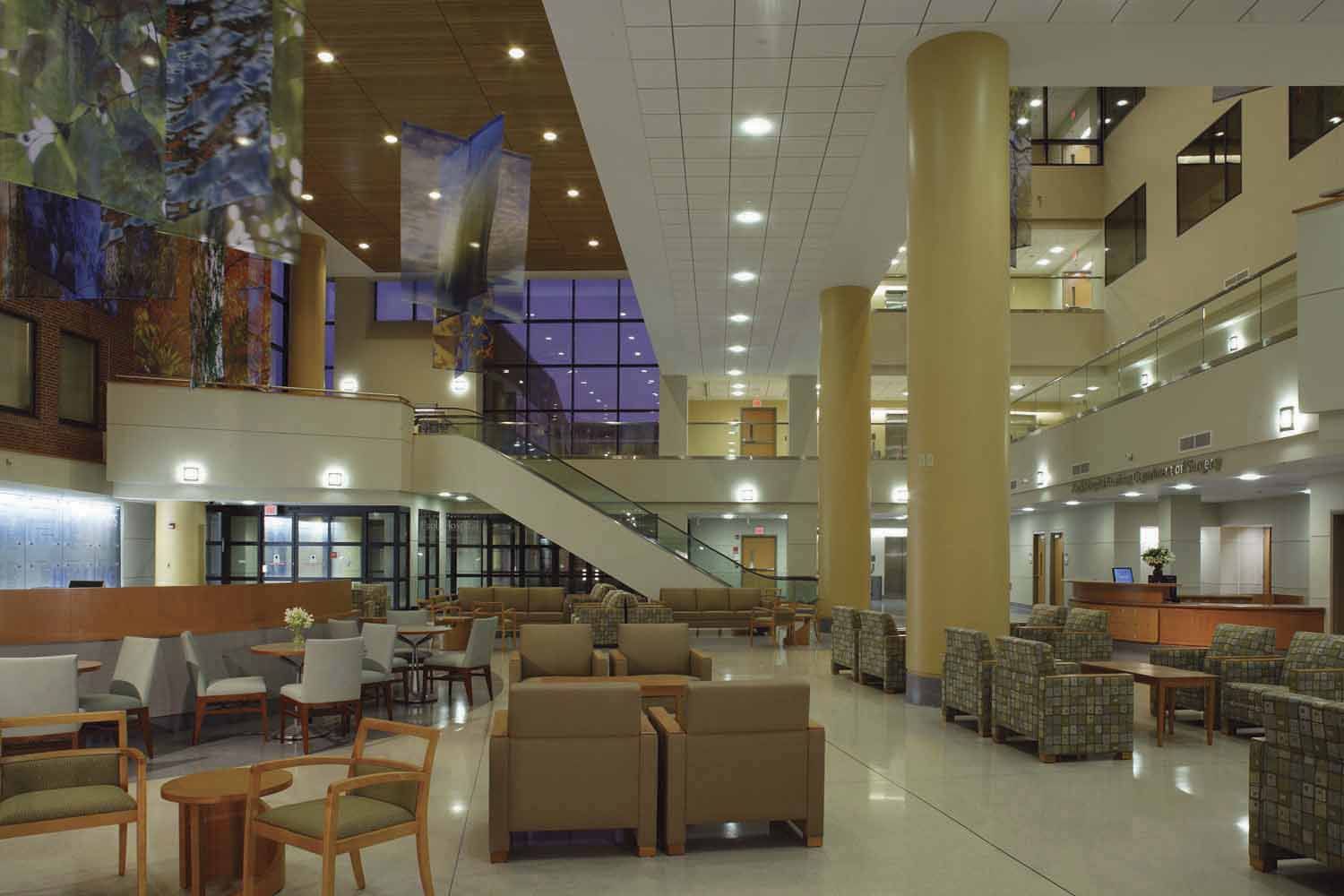
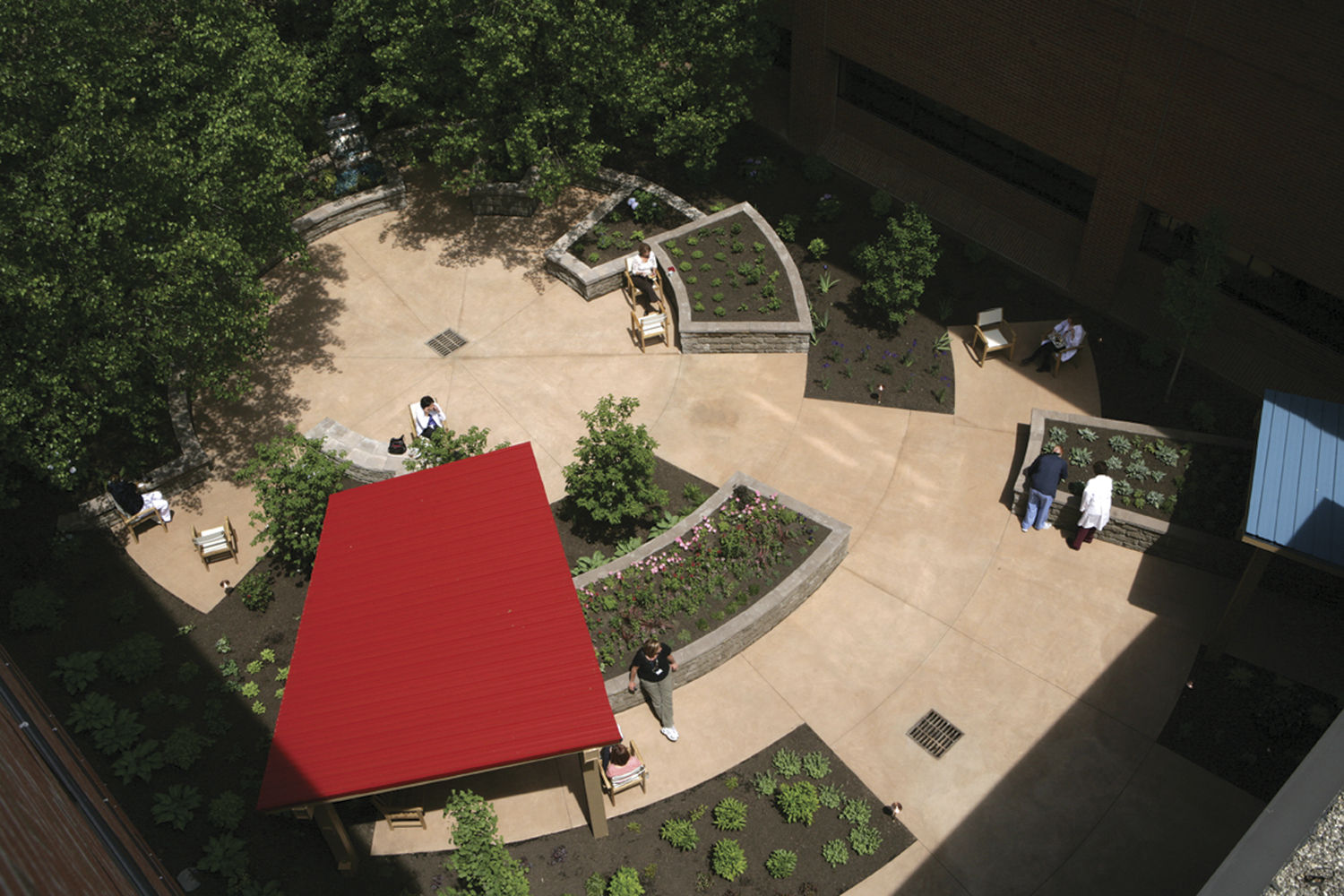
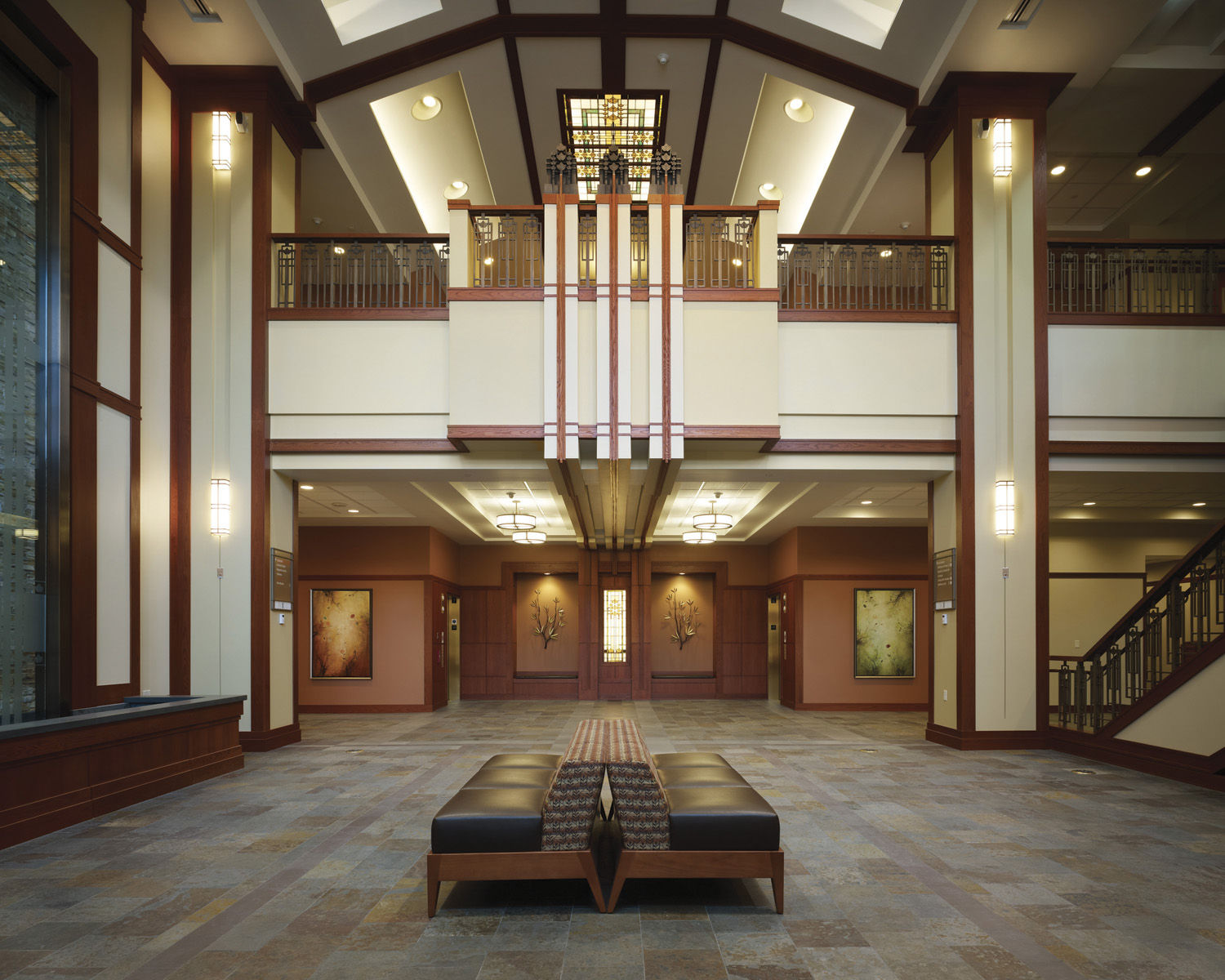
“We’ve tried to create a truly welcoming and comforting environment. Our hospital is warm, and flooded with natural light. The corridors you walk are covered in floor-to-ceiling windows, and the color tones are all earth tones. You are welcomed as you arrive by our volunteers and our staff, who make you feel as though you are in a place of healing.”
Elmhurst isn’t the only hospital doing some mindful remodeling. Medical center redesigns are popping up all across the country, as plenty of evidence mounts proving a direct link between patients’ surroundings and their recovery. In a word, hospitals are trying to become more hospitable.
Spotlight on stress-reduction
Using evidence-based design strategies, many architects are now working to encourage better patient outcomes by building or revamping hospitals to feature natural light, views of nature, more noise dampening and a gentle color palette.
The Center for Health Design in Concord, Calif., is a nonprofit research organization leading the charge in evidence-based design. It’s been working for more than two decades with hospitals that want to incorporate this mode of thought in their layout, says Ellen Taylor, director of research at CHD. The benefits are clear, she says.
“Single-bed patient rooms have been shown to have an impact on satisfaction, noise, infection control and healing. This was not considered a standard of care 15 years ago,” Taylor says.
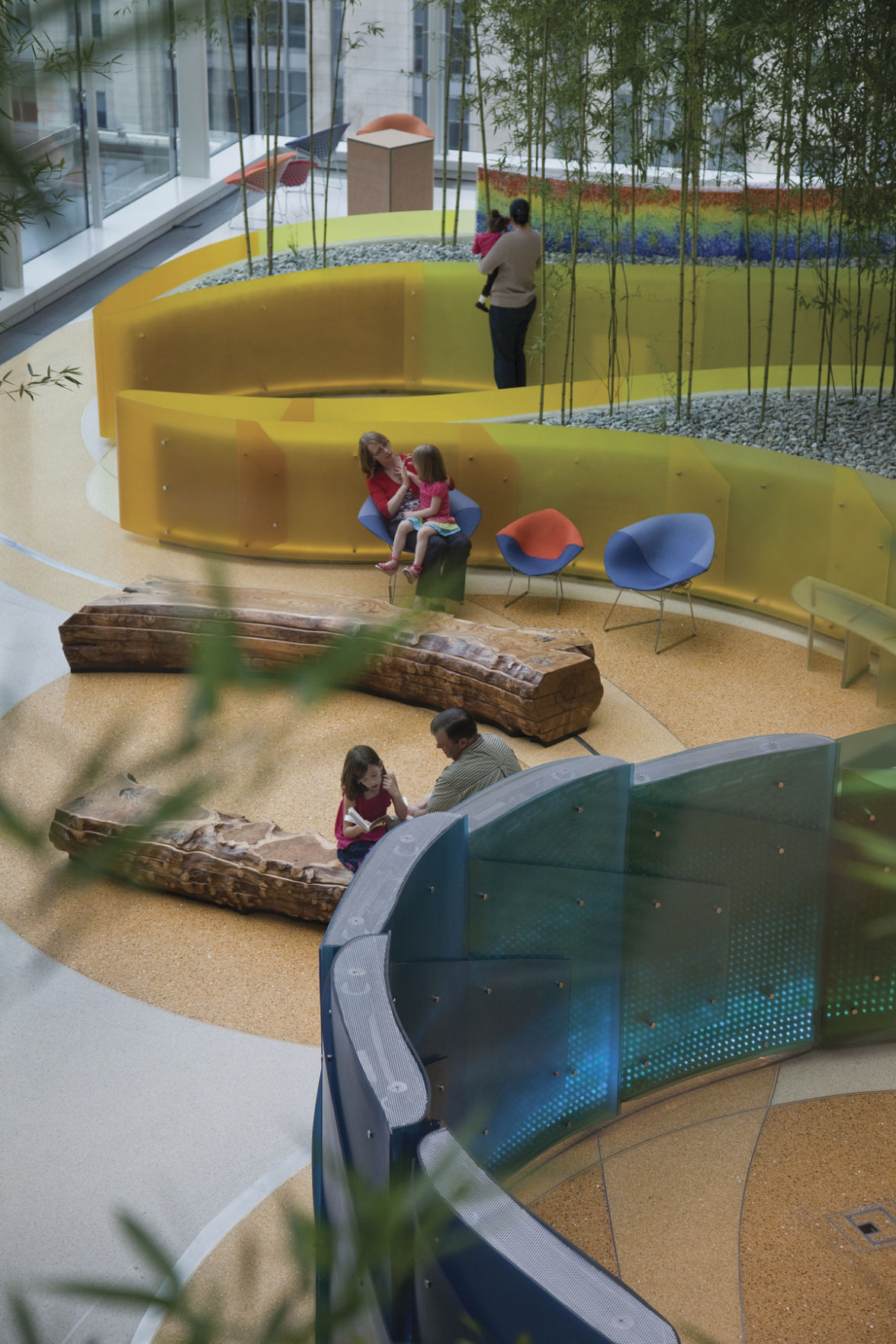
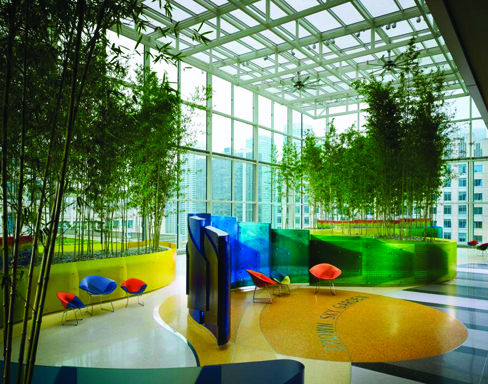
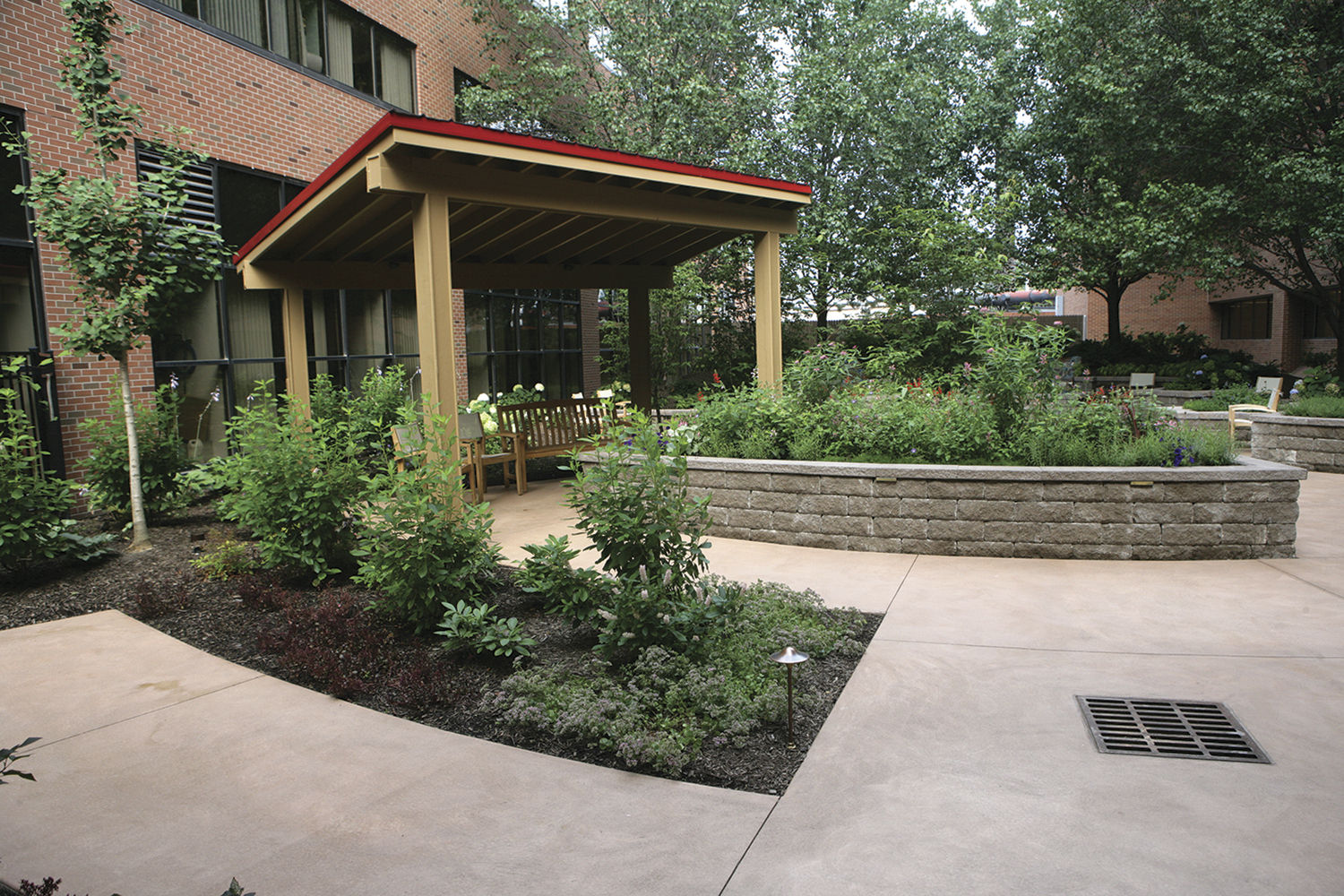
“Therapeutic environments, (those that offer) access to nature, natural light and views, reduced noise, and even artwork or other positive distractions, can help reduce stress and improve healing.”
Hospitals can be a scary place to stay, so being in a room that looks and feels like your own at home means higher comfort levels and reduced anxiety. This peace of mind can make a huge difference in preparing for a procedure, and working through the recovery process.
“I spend a lot of time down by the entrances, doing observation, and it is interesting watching people walk in for the first time and look up with disbelief,” Muzzey says.
“I’ve heard visitors say, ‘The sun is so warm. It feels good just to sit by the windows.’ And, ‘I love being able to look out and see where I am in relationship to the parking areas.’”
Layouts are changing, too. Venturing into the hallway can feel like an expedition for a patient who’s been stuck in bed, and their visiting family and friends.
When all the hallways look the same, it’s a pain to find the cafeteria, let alone make it back to your room. To minimize disorientation, Elmhurst and other hospitals have added big windows, large wall paintings, and other recognizable landmarks.
Even something as simple as lighting can affect the pace of healing, and more hospitals like Elmhurst are forgoing overhead fluorescent lights in favor of lamps with decorative shades that give off natural light. They offer a homier atmosphere, and make it easier to sleep. Access to natural light is also proven to prevent depression, sleep disorders and agitation.
“Light can have an impact on healing, most specifically stress and delirium,” Taylor says.
“Research validates what people have had an intuitive sense about in the past. In the past, nurses would put the sickest intensive care unit patients at the end of an older open ward unit, near the windows.”
Looking out the window lets patients feel the sun on their face, and it opens the world up to them—offering a better view.
“A patient commented how she enjoyed the large window to make her feel part of the bigger world. Her room overlooked the promenade, and the trees were lit for the holidays,” Taylor says.
“I’ve also heard, ‘The south windows are so nice. We can see the forest preserve across the street.’”
Safety at the forefront
Evidence-based design widens the lens of care beyond a patient’s medical needs to include more holistic treatments.
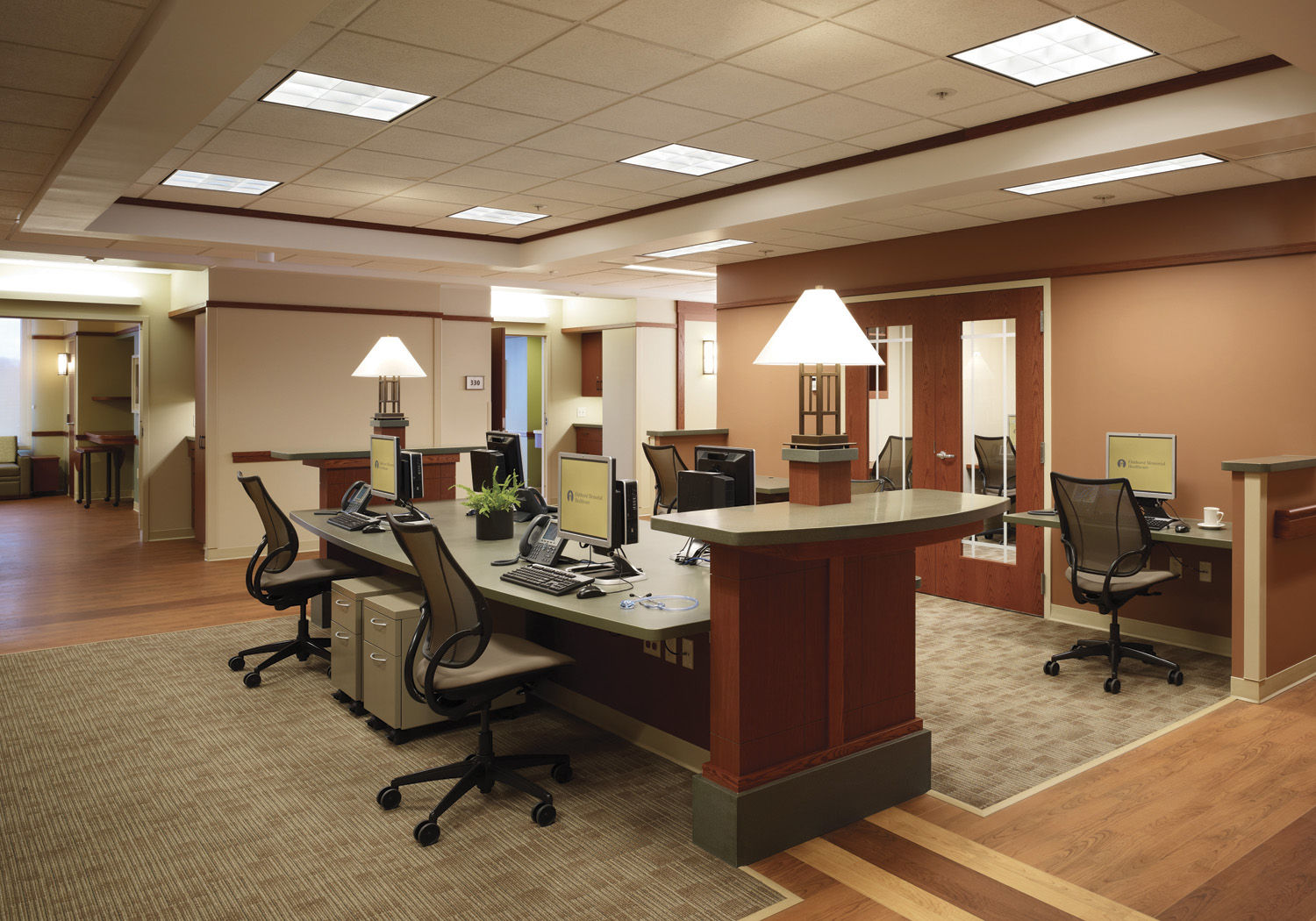
Research shows patient falls, medical errors and rates of infection have decreased through changes that include opening up the floor space, relocating nurses stations and improving indoor air quality to reduce infection.
Paoli Hospital, outside Philadelphia, opened Paoli Pavilion in 2009, a five-floor facility offering 124 private patient rooms, and fronted by an airy lobby with plenty of windows, artwork and room to visit with family. The space helps eliminate some of the stress that accompanies a hospital visit, and encourages patients to get up and out of their rooms.
“Patients and families love the environment,” says Jan Nash, Paoli’s vice president of patient services. “We want to make patients feel safe, warm and comfortable, and we’ve had many patients and visitors tell us they’ve enjoyed staying with us. I believe it is working.”
Nash says when Paoli patients are done relaxing in the pavilion area, they can feel just as comfortable—and secure—when they head back to their rooms.
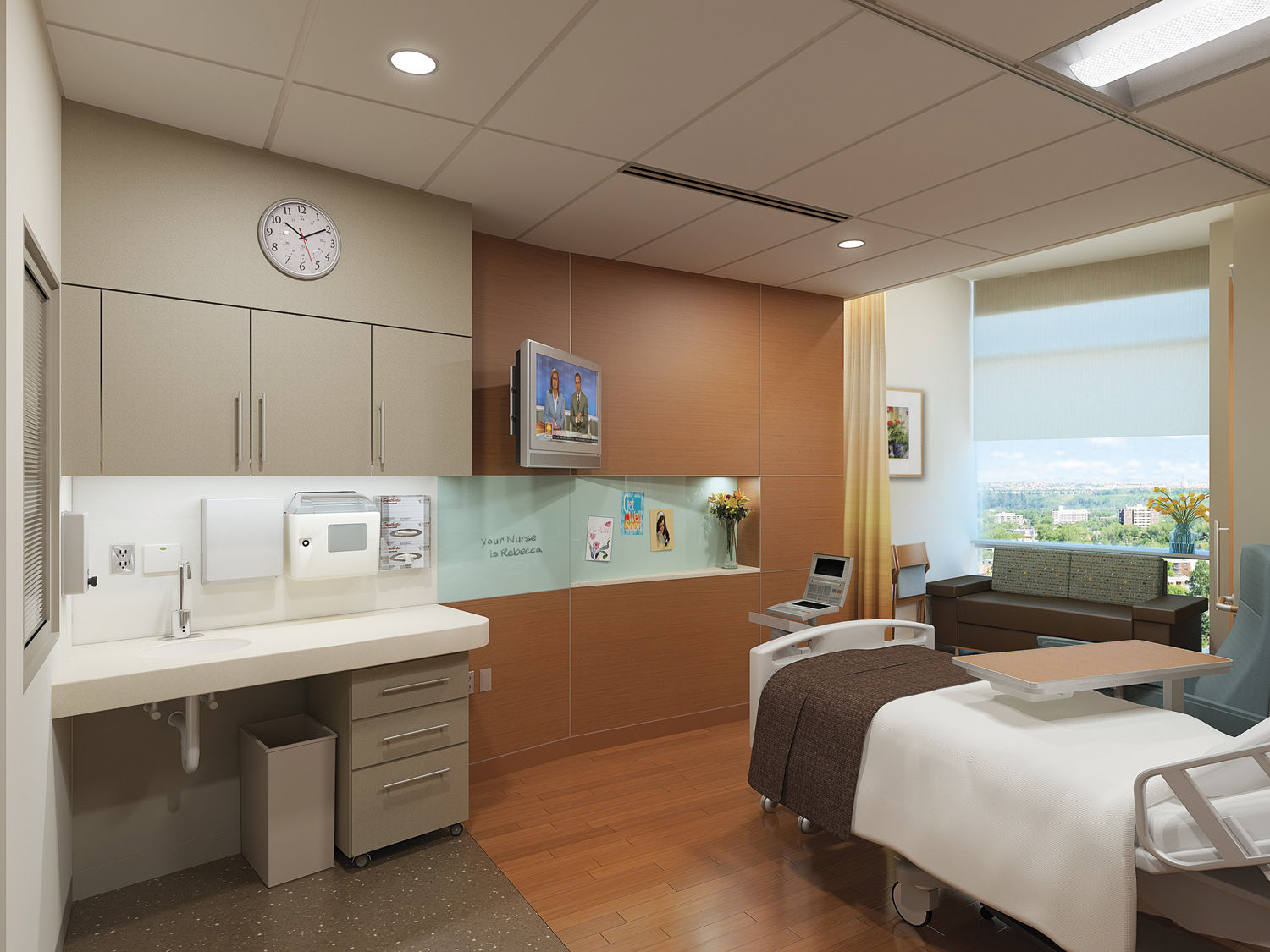
“All our private rooms have bathrooms and showers with flat-surface entry to eliminate trip hazards,” Nash says.
“Sinks are located at the entry of each room to promote hand washing. The rooms have large windows to let in plenty of natural light, and handrails along the walls to help get the patient from the bed to the bathroom.”
The hospital spent $144 million on the project, and considered how every last detail—from the shape of the rooms to the placement of wall outlets—would affect safety, efficiency and care.
Nash says since the pavilion’s creation, there has been an 86% drop in patient falls with injury, and a 19% drop in medication errors.
“The only numbers that went up were our patient-satisfaction scores,” Nash says.
Evidence-based hospital design represents more than a passing fad. Taylor says more hospitals continue to convert to this modern approach, and it’s shifting the entire foundation of how these institutions regard their business approach. These are the questions keeping hospital leadership awake at night, she says.
“How can design influence hospital patient survey scores? How can awareness continue to be raised about the relationship of design and outcomes?”
Taylor says. “How can the facility be seen as a long-term investment, rather than an expense, that will have an impact on outcomes for years and decades to come?
“The beauty and the challenge of health care design is that there are always unanswered questions.”