
Help kids enjoy trick-or-treating
Communicate with kids ahead of time to keep Halloween tricks a treat
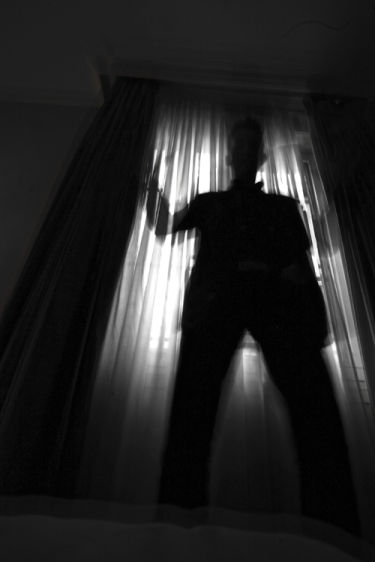
The door creaks open, and a strobe light pulses in the background. Curious kids crane their necks to see inside before jumping back in terror as a big guy in a hockey mask charges at them with a roaring chainsaw.
Men love getting in the Halloween spirit, scaring the heebie-jeebies out of anyone who comes a-knocking at their door. But do dads sometimes take the frightening blood and gore too far? Many experts scream—yes!
Scare tactics
Dads love pulling off a good prank. And Halloween presents a perfect opportunity to get kids in on the fun, too. But while they know it’s a night of candy and make-believe, kids can’t always separate fantasy from reality.
“Young children may perceive what they see in a movie or a prank to actually be real and happening in that moment,” says Pam Dyson, a child development counselor and parenting coach at the St. Louis Center for Play Therapy Training.
“Children can develop anxiety after experiencing a frightening experience. It’s important for parents to talk to children ahead of time, and explain to them the difference. Reading books about monsters and Halloween can help explain what’s real and what’s not.”
Children of different ages process the sounds and sights of Fright Night differently, so plan accordingly, Bone Daddy.
Don’t keep them in the dark
If you’re a horror movie buff, you probably want to bond with your kid over who’s the better killer—Jason Voorhees or Freddie Krueger. But before you jump right into the R-rated slasher films, think about your child’s maturity level.
“Some kids see a scary movie, and can’t get images out of their heads, causing longer-term effects such as increased anxiety and sleeping difficulties,” says Jennifer Mockler, a licensed psychologist in Tampa, Fla.
“A parent’s job is to listen to their child, and follow their lead when it comes to what they are comfortable doing on Halloween. Don’t be afraid to turn down a certain activity if you think it might turn out to be too scary for your child.”
If you’re surfing channels for scary flicks, check out the description and audience rating before you get glued. And whatever you choose, talk about it first. Knowing what to expect makes the scary scenes less traumatic, Mockler says.
Reality vs. fantasy
Even the best preparation can be wiped out by the neighborhood haunted house. So before trick-or-treating, talk about what sights and sounds your kid will encounter. Explain that there are regular people under the creepy costumes. And if they’re still scared, Mockler says to trick-or-treat close to home.
“For very young children, (try) trick-or-treating at homes of close neighbors or friends, so you’ll know what to expect,” she says. “If your child does get scared, acknowledge their fears, and help them understand the reality of the situation.”