Good vs. Bad: The Skinny on Fats
We are often told to limit our fat intake to enjoy a healthy and active lifestyle. There are, however, some fats the body needs for good health.
These are known as essential fatty acids. Humans must ingest them because the body cannot synthesize them. The two main types of essential fats are omega-3 and omega-6. They are crucial for maintaining healthy joints, as well as to reduce inflammation and improve joint mobility.
While the body is unable to make these two essential fats, the good news is there are easy ways to obtain them, according to nutritionist Heather Dyc.
“These fats can be obtained from foods commonly found at your grocery store, like organic meats, walnuts, chia seeds, flaxseed, fish and green leafy vegetables,” Dyc says. “It is important to have these essential fats, because there are potential health problems if the body doesn’t get enough healthy fats.”
Those health problems include dry skin, poor vision, joint pain, high cholesterol and an increased risk for developing cardiovascular disease, says Ryan Hetrick, a therapist and psychologist for Epiphany Wellness.
“Additionally, inadequate intake of essential fatty acids can lead to depression, anxiety, fatigue and poor concentration,” he says.
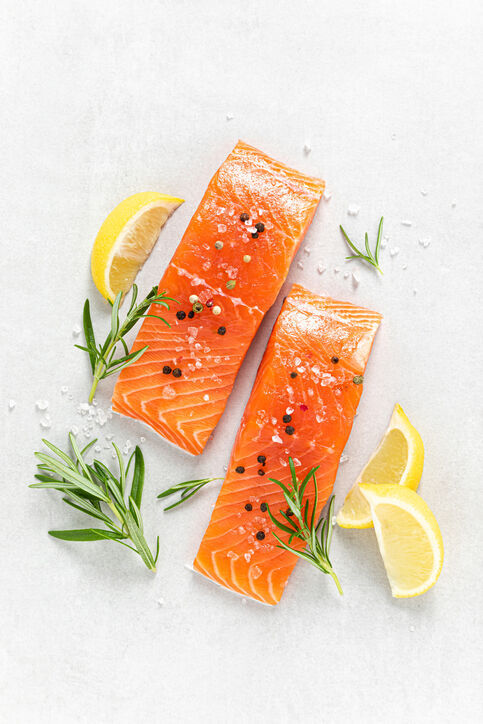
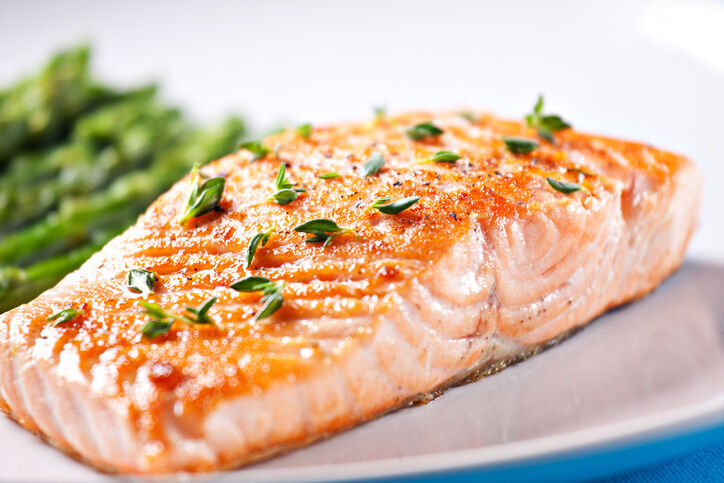
Hetrick recommends “fatty fish” such as salmon, mackerel, herring and anchovies as the best options for those looking to boost their omega-3s. Fish are also low in saturated fat — a type of fat in which the fatty acid chains have all single bonds, allowing them to pack more tightly together — which is beneficial as experts advise reducing the intake of saturated fat to promote health and limit the risk of cardiovascular diseases.
An individual who routinely consumes a diet of animal-based foods like meat, butter and cheese is likely eating too much saturated fat, and that can result in high cholesterol and blockages in arteries, he says. The American Heart Association recommends aiming for a diet that includes about 5% of calories from saturated fats. This translates to about 13 grams of saturated fats daily, while an average adult who consumes 2,000 calories should aim for 40 to 62 grams of unsaturated fat per day. Unsaturated fats are fatty acids in which there is at least one double bond within the fatty acid chains. Vegetable oils, nuts and seeds are all good sources of unsaturated fats.
Dietician Blanca Garcia says to promote good health in her clients, she encourages replacing saturated fats with unsaturated fats when preparing meals.
“Unsaturated fats promote heart health by keeping your cholesterol levels at bay, thus reducing the risk of developing preventable cardiovascular diseases,” she says. “‘Good’ fats that you may use to substitute ‘bad’ fats include olive oil, canola oil, sunflower oil, soybean oil and corn oil. When you cut back on red meat and butter, fish, beans and nuts are excellent substitutes.”
Fellow dietician Meaghan Greenwood agrees with Garcia on the importance of substituting "bad” fats for “good” fats.
“It can definitely have a positive impact on the nutritional quality of a dish,” Greenwood says. “Replacing butter or vegetable oil with olive oil or avocado oil can improve heart health. Other good fats to substitute include coconut oil, which can provide a boost of medium-chain triglycerides, and ghee, which is a good source of vitamin K2. When cooking with fats, it's important to choose oils with high smoke points to avoid creating harmful compounds when heated.”
Nutritionist Matt Bonestroo says switching to “good fats” when cooking is “a great way to watch your health soar.”
“If ‘good fats’ were a superhero, they would be the Avocado Crusader fighting off the evil forces of unhealthy cholesterol and heart disease,” Bonestroo says. “Using ‘good fats’ in cooking can definitely make a dish healthier and improve your cholesterol levels, reduce inflammation and even promote brain health.
“Bring on the good fats. Your taste buds and your body will thank you.”