
Get in on Meatless Monday
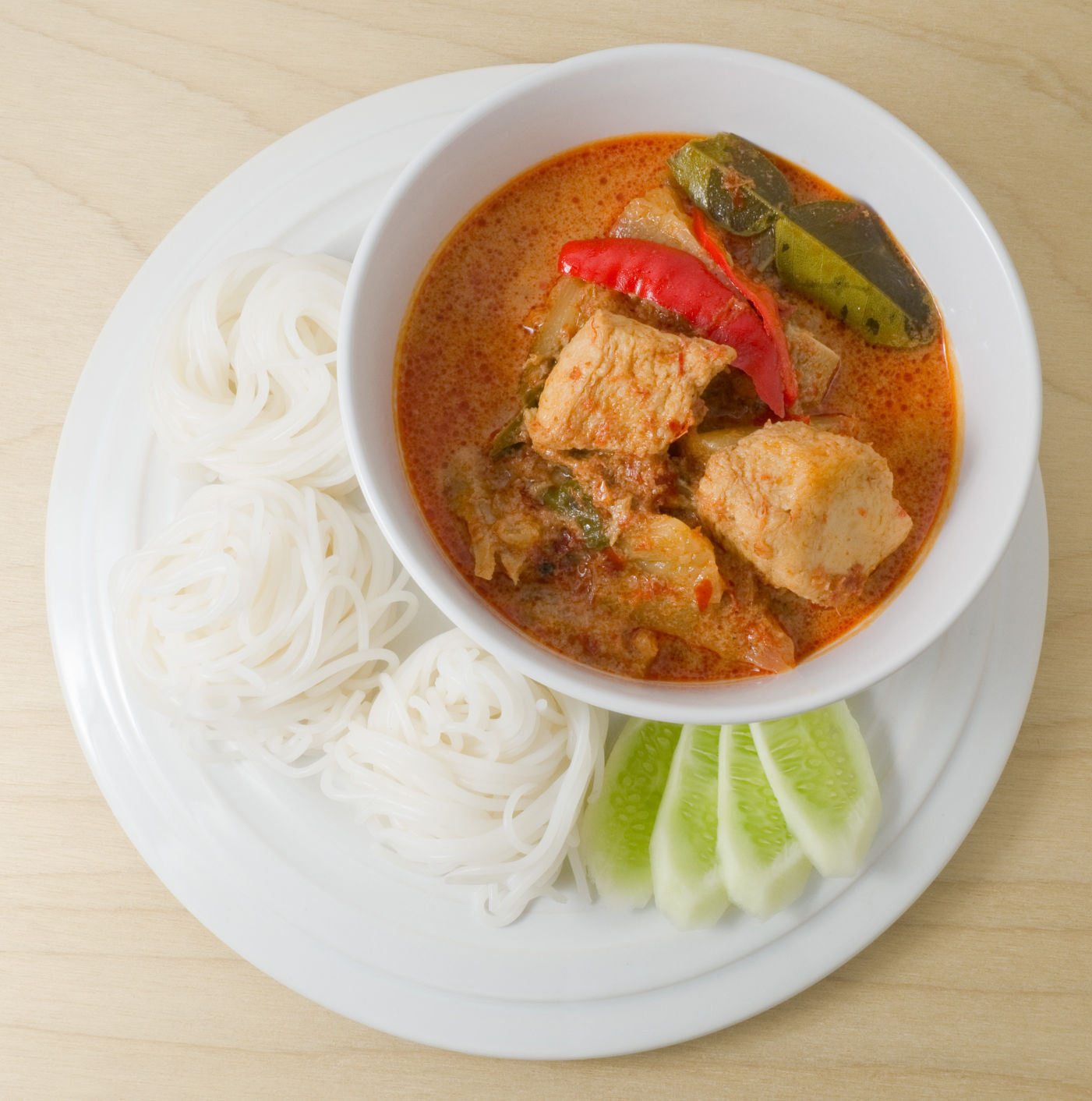
The popularity of meat-free meals has gotten bulkier recently, especially with the popular hashtag #MeatlessMonday taking center stage each week on social media. But it’s not just a trend. Vegetarian- and vegan-based diets have been around for centuries, and for good reason.
Turns out, shifting to a more plant-focused diet—even if it’s only for one meal per week—can help maintain a healthy heart and weight.
But where does a person without any experience in vegetarian and vegan cooking begin? It’s easier than you might think.
Get your protein
Odds are you are not eating cheeseburgers for every meal. And if you are, it’s time to stop. Hopefully salads and soups augment your regular diet, so start right there.
Now let’s say you’ve done your best to eat a sensible, plant-forward meal of soup and salad, and you hit upon a common challenge for people who are new to vegetarian meals: You’re still hungry.
Don’t go running for a burger just yet. You might simply need an essential nutrient you’re probably a little light on—protein.
Meat does offer plenty of protein, but so do beans, legumes, nuts and grains. Quinoa and edamame are complete proteins on their own and can be easily added to soups and salads. Combining beans and brown rice also will give you complete protein and fill you up.
“People looking to cook more vegetarian meals often need a little practice in being mindful of including plant-based protein,” says Lisa Moskovitz, registered dietitian and CEO of New York Nutrition Group. “That’s a common pitfall in the beginning, but an easy one to address, especially with all of the vegetarian and vegan options available today.”
Meaty doppelgängers
A way to keep meals familiar, especially for the picky eaters, is to replace the meat in your current recipes with tofu, tempeh or seitan.
Tofu is made by curdling soybean milk. Though bland on its own, tofu offers a blank flavor slate and can be marinated to adapt to all sorts of recipes and flavors. Tofu comes in varying degrees of firmness and texture, so experiment with a few different types to find what you like, Moskovitz says. Tofu can be eaten straight from the package, or cubed or mashed and cooked up in stir fries, casseroles and sauces, among other things.
Tempeh is made by fermenting soybeans. It’s considered the meatiest of soy proteins and one of the more versatile meat substitutes, thanks to its firm texture and ability to hold shape, according to the American Culinary Federation. It’s best to cook tempeh—which can be sliced or crumbled like ground meat—before adding it to recipes.
Seitan (pronounced say-tan) is a non-soy option made out of wheat gluten, earning it the nickname “wheat meat.” Like tofu, it can also take on the flavor of marinades well. However, unlike tofu, its texture is much more meaty, and can be made to taste similar to beef, pork or chicken with the texture being as soft as pot roast or as firm as a steak, says OneGreenPlanet.org.
Talk to a pro
If you are considering making the leap to a full vegetarian or vegan diet, talk to a nutritionist or dietitian to get a broader, more detailed eating plan.
“Everyone has different nutritional needs,” Moskovitz says. “A professional nutritionist or dietitian can help navigate the waters.”