
Float for relaxation
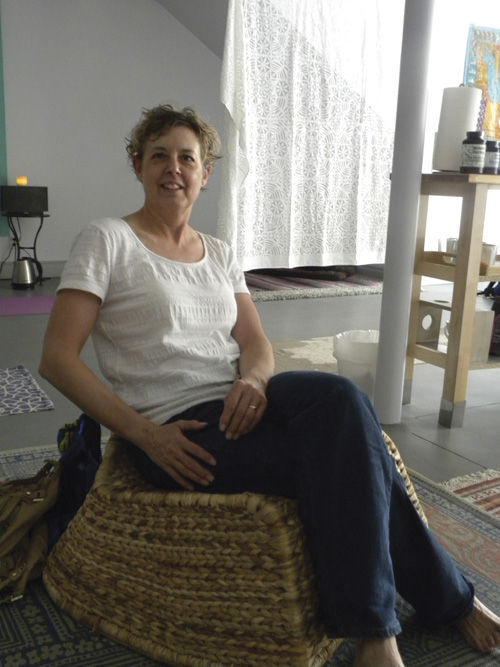
Walk into FLOAT in St. Louis and you enter a space where the introspective inner world takes precedence over the stimulating outer world. This particular adventure in fitness was more mental than physical. Where the others have been active, this time I had to do nothing but lie in a tub of water. That presented a different kind of challenge.
Easing in
A float tank is a tub of water in which you literally just float.
It’s used to relieve stress, increase creativity and reduce pain.
When you float, you’re in a near zero-gravity state, thanks to the 850 pounds of epsom salt in less than a foot of water. The salt keeps the water clean and sanitary, plus it’s filtered between sessions.
FLOAT has two “tanks” and a pod. The tanks look like an enclosed tub. The pod looks futuristic with its domed lid. These are light- and soundproof, reducing sensory input and allowing your mind to relax into a meditative state.
The transition from noisy to quiet is gradual and purposefully designed. I go from being in a bright lobby to a dim hallway, to the room, then to the tank. Each step took me farther from the outside world and closer to the inner.
There are certain protocols to be followed, such as showering before and after. Everything is provided—towels, earplugs, shampoo, soap. Music plays for a few minutes at the start, and then shuts off. It starts again later, cuing the end of the session.
Practice human “being”
Mentally, a float is similar to meditation, which I practice sporadically. Once I was able to turn off my mind, I had a great experience. It was getting to that point that was difficult.
They encourage the lights to be off but I don’t like total darkness. I did turn them off to see what it was like, but it was too dark. Maybe next time.
My neck and shoulders were tight that morning and my head felt heavy. I could not get comfortable. I finally grabbed a narrow pool noodle they have on hand for support, holding it up in a “U” shape under my head. That helped a lot. Only then, when I was physically comfortable, could I begin to work on stilling my mind. After practicing some yoga breathing, I fell into a meditative state.
Afterward, I felt refreshed and relaxed, but a bit disappointed, too. I had hoped for a breakthrough—clarity on my problems, creative inspiration, an “ah-ha” moment. Instead I had random, fuzzy thoughts, just as I do in meditation.
Now that I know what to expect, I plan to schedule another. It’s good practice at human “being” rather than human “doing.”