
Exercise Your Mind
The brain needs work to keep it sharp
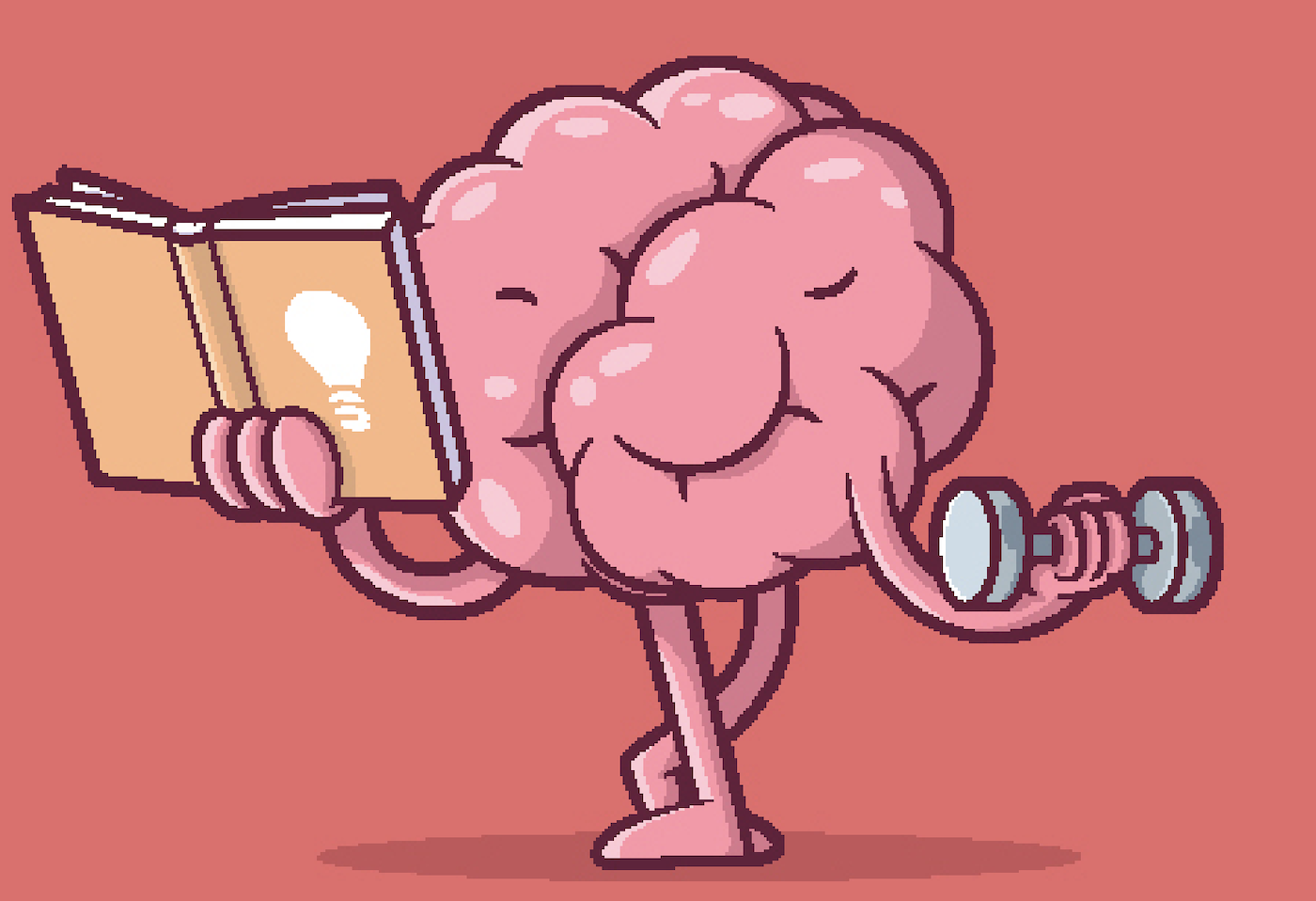
Devoted followers of the New York Times brain bender Wordle say that figuring out the mystery 5-letter word of the day is like a morning stretch for their brain.
It’s a fact — just like any other muscle, our brain needs exercise.
“There are many cognitive benefits of playing Wordle,” says neuroradiologist Dr. Emer MacSweeney. “Brain-boosting activities, including strategy games and puzzles, enhance brain function by stimulating critical thinking, problem-solving skills and memory retention, which is hugely important as we age.”
Meeting and socializing with new people and exploring different places and things supports neuroplasticity, which is the brain’s natural ability to change its structure by forming new neural pathways through learning, memorization and adaptation.
“Something as simple as taking a new route to work can stimulate your brain by creating new neural pathways,” said geriatric psychologist Dr. Sandi Mann. “This helps mitigate age-related cognitive decline and the onset of neurodegenerative diseases like dementia.”
Lifelong learning stimulates different parts of the brain, while keeping life interesting and dynamic. This can include exploring fulfilling activities such as studying a foreign language, learning to play a musical instrument or self-expression through creative arts. Practicing mindfulness, using meditation or yoga also promote cognitive well-being.
“Find something that piques your interest,” Mann says. “The more you enjoy an activity, the more you’ll do it, and if it gives you a sense of purpose along the way, that’s a bonus.”
Consider these among the countless benefits of welcoming your retirement years and beyond with a healthy brain:
- Improved cognitive function supports memory, problem-solving and decision-making, critical to managing a household and finances
- Reduced risk of cognitive decline and dementia
- Enhanced emotional well-being by regulating mood, reducing anxiety and depression
- Increased social interaction leads to a stronger sense of community and support system
- Better physical health by influencing blood pressure and cholesterol levels
- Stronger immune system, reducing risk of infections and illness
- Improved physical function to help individuals stay active and independent, enjoying a higher overall quality of life
- Reduced risk of falls, since cognitive decline can lead to balance and coordination issues
- Maintaining a strong and healthy brain throughout life pays off in spades the older we get.
“Look at it as an investment in a longer, higher quality of life, cognitively and physically,” Mann says. “You can’t stop your brain from aging, but there’s a lot you can do to improve cognitive function.”