
Essential Management
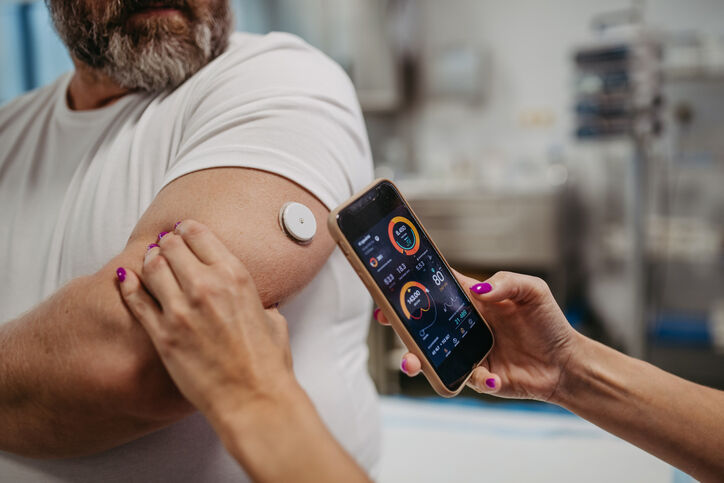
Managing diabetes involves more than just watching what you eat. For women with diabetes, routine blood tests are essential for health management.
Monitor Blood Sugar Levels
Managing diabetes involves regulating blood sugar levels to keep the body functioning optimally. A blood test determines whether glucose levels are within target ranges. It also helps assess the progress of diabetes, enabling your health care provider to make necessary adjustments. Getting regular blood tests to monitor sugar levels supports better health outcomes over time.
The Hemoglobin A1c test, for instance, measures your average blood sugar over three months. Knowing your A1c enables the doctor to recommend interventions to help you set realistic health goals.
Detect Complications Early
Diabetes puts you at risk of serious health issues. Routine blood tests check for spikes or drops in blood glucose levels that may trigger short-term issues like high and low blood sugar or long-term issues, such as nerve damage, kidney problems, heart disease and liver disorders. Women with diabetes are more susceptible to:
- Urinary tract infections (UTIs).
- Vaginal yeast infections.
- Complications from certain birth control methods.
- Issues during pregnancy, including miscarriages and premature birth.
This proactive approach allows for timely interventions — whether it’s adjusting medication dosage or making specific lifestyle changes.
Women who take insulin tend to gain weight over time. Eating a balanced diet helps keep the weight off. While you might have heard that healthy foods like whole grains and green tea help regulate blood sugar levels, regular blood tests tell you what to eat more of or reduce to manage diabetes-related weight gain.
Manage Medication Effectiveness
Routine diabetes blood tests identify whether your current treatment plan is working. If blood sugar levels are not improving, it might be a sign your medication is not working as intended. It also helps fine-tune dosages to ensure you receive the optimal amount needed to manage your diabetes effectively.
Regular glucose monitoring also assesses other areas treatment can impact, such as kidney health and heart cholesterol. It checks to ascertain your medication isn’t causing unintended side effects that could diminish your health.
Continuous Glucose Monitors
Continuous glucose monitors (CGMs) provide real-time readings of glucose levels throughout the day and night. Unlike traditional blood glucose meters that require finger-prick blood samples, CGMs use a small sensor under the skin — usually inserted on the arm or abdomen.
CGMs streamline the testing process, particularly if you have type 1 diabetes, experience frequent fluctuations or require strict glucose control. They set off an alarm for high and low glucose levels, enabling you to take action before a problem arises.
Take Charge of Your Health
Women with diabetes should get routine blood tests as it ensures you’re receiving the best possible care to suit your unique needs. Continuous blood sugar monitoring provides critical data to help prevent medication ineffectiveness and identify side effects early to optimize your treatment plan. Prioritize regular testing to take charge of your health.
Beth Rush is the fitness editor at Body+Mind. She writes about how women with PCOS can hack their exercise routines to balance hormones naturally. She covers topics like plant-based recipes for athletes and preaching the benefits of green exercise. You can find Beth on Twitter @bodymindmag.