Eco-friendly ways to get rid of fleas

Fleas are a downright nuisance. And they bring serious health baggage when they nest on your pets. Many people turn to pesticides to rid their home of these parasites, not knowing the harmful effects the chemicals might have on their pet and the environment. The next time you need to defend your home and pets against these pests, think about protecting the planet, too.
Work from the outside in
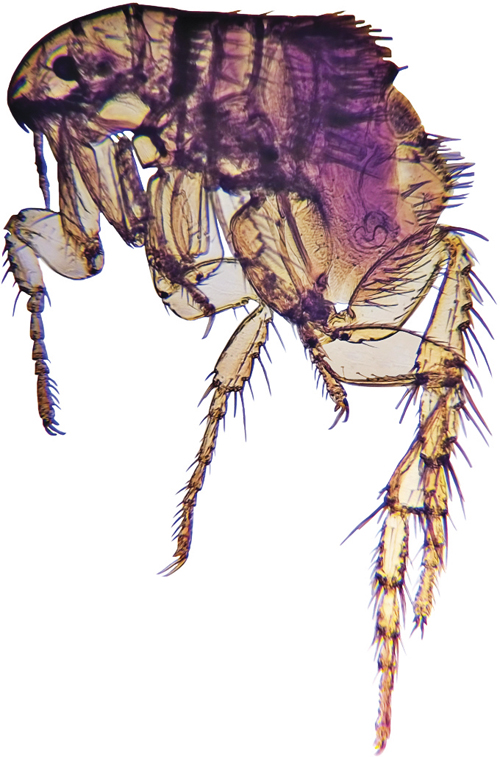
A flea has four life stages: egg, larvae, pupae and adult. By the time you can see them, they’ve reached the adult stage, which means you could already have an infestation on your hands.
To break the cycle, you need to get the problem under control, says Dr. Tina Wismer, medical director of the ASCPA’s Animal Poison Control Center. And the process starts outside.
“Fleas like dark areas that have high humidity,” Wismer says. “Trimming back bushes and removing organic matter from your yard can help decrease the flea population.”
Once the lawn is cleared, Wismer says to invest in beneficial nematodes. When mixed with water and sprayed into the soil, these microscopic roundworms locate and kill flea larvae. Most types are reasonably priced, and you can buy them online. It’s a great natural way of stopping fleas before they get inside your house, she says.
Persistence pays
If fleas make it past the door, a vacuum, washing machine and dryer are your best weapons. Vacuum to pick up adult fleas, eggs and larvae. Wash bedding in hot water and use the high heat setting on the dryer, as the heat kills eggs and larvae that have taken up residence, Wismer says.
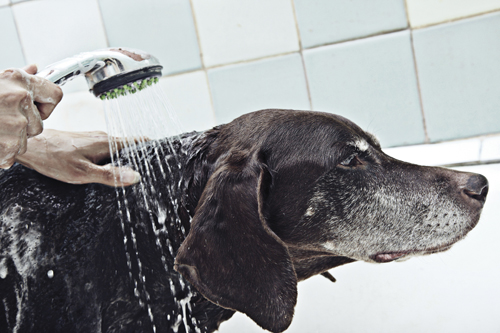
Treating animals naturally is as simple as giving them a bath. And for pets that don’t normally get in water, like cats, use a flea comb to pick through sensitive fur. And you’ll likely have to bathe pets more than once to get rid of the fleas completely.
Pet owners need patience and determination when working with eco-friendly pest control remedies. Wismer says you can’t just do it once and then give up. But if you’re trying to be eco-friendly, it’s worth it.
“You are going to need to do this every day for several weeks to get things under control,” Wismer says. “But by using these methods, we can reduce the amount of insecticides into the environment.”