
Eat veggies to ward off cancer
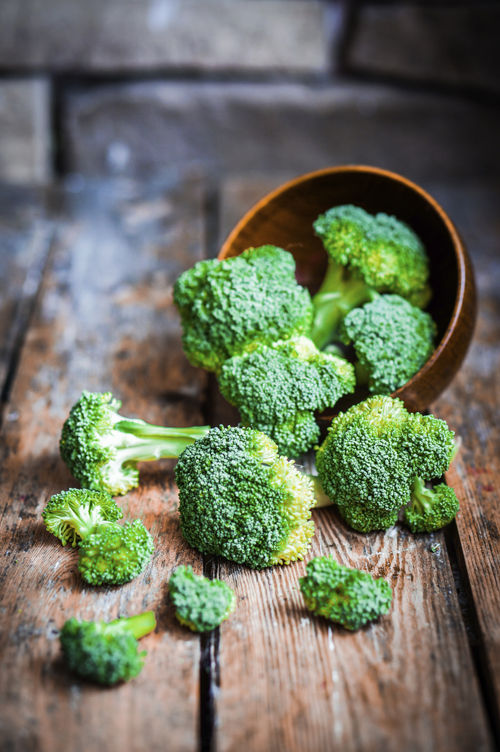
Nutritionists agree it’s a healthy idea to “eat the rainbow,” and consume a variety of vegetables each day, and there are certain veggies that have been clinically proven to offer a specific health benefit. Eating cruciferous vegetables may help you prevent cancer.
We don’t usually refer to them by their category, and some people turn their nose up if they see and smell them. But cruciferous vegetables should be plentiful in your grocery cart, along with other fruits and veggies. They all have powerful anti-oxidants, but cruciferous vegetables—which include broccoli, cauliflower and Brussels sprouts, along with greens such as arugula and kale—have something more.
Proven to be powerful
According to Cancer.gov, one case-control study found that women who ate greater amounts of cruciferous vegetables had a lower risk of breast cancer. “During food preparation, chewing and digestion, the glucosinolates in cruciferous vegetables are broken down to form biologically active compounds which have been most frequently examined for their anti-cancer effects.”
When you eat cruciferous vegetables, those are fighters on your plate. They not only combat cancer but stop the process in its tracks. Those active compounds are regulators that influence the body’s defense system by stimulating a complex set of body enzymes to fight against cancer. In studies, these defense markers have the ability to stunt or stop cancer cells from growing in tissue of the lungs, liver, breasts, cervix, endometrium and colon.
These phytochemicals help inactivate carcinogens, protect cells from DNA damage, and have an anti-inflammatory effect on the body, while also having an antiviral and antibacterial effect.
Research has further suggested that the cancer-fighting agents in cruciferous veggies inhibit tumor blood vessel formation and tumor cell migration. Stopping this action in the body kills the cells and stops metastasis, or the “spreading” of cancer.
Make them work for you
If you are not a big fan of these veggies, try incorporating them more into your diet by including them in stews, soups, casseroles and other recipes. They lose some of their nutritional value during the cooking process, but if you want to add cruciferous vegetables to your diet, slipping some into familiar and favorite dishes is a great way to start. If you already enjoy this type of veggie, remember they are even more potent when eaten raw.
Keep in mind that a diet that includes all fruits and veggies, two to three cups per day, is considered a healthy diet. Make sure you follow this recommendation to lower your risk of many kinds of cancer and other diseases. Even if you have to warm up to the idea of liking these vegetables, it should be reassuring to know that the studies show that cruciferous vegetables especially halt cancer growth.
Other bonuses of eating the more common cruciferous varieties of broccoli, Brussels sprouts and cauliflower include their low-fat, high-fiber characteristics. They also contain iron, calcium, and vitamins A and C.
Lori Brothers is a wellness consultant and educator who has been teaching healthy lifestyle concepts and yoga-based therapies for more than 20 years.