
Eat healthy with frozen produce
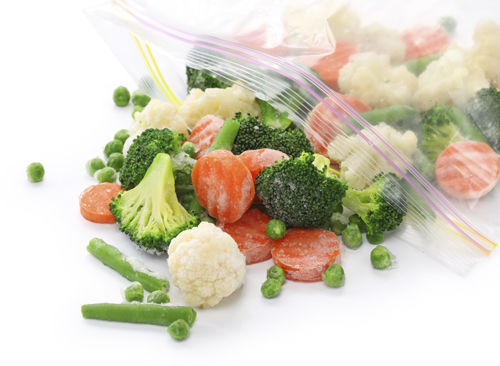
As summer winds down and some of our favorite seasonal fruits and veggies disappear from the farmers markets, it’s a good time to stash some away for the snowy days.
Frozen foods may have gotten a bad rap, but when you put quality ingredients into the deep freeze, you’ll get quality ingredients out of it. While the best time to eat produce is when it’s ripe and fresh, properly frozen fruits and vegetables still contain most of the nutrients of their fresh counterparts.
“The closer to harvest it is, the fresher it is and the better it is,” says Lynn James, a registered nurse and dietitian with Penn State University.
Get them hot, keep them cold
With many vegetables, the best processing method is to first boil, and then dunk them in ice water before freezing, James says. This process, known as blanching, slows ripening, so when you do eventually pull that broccoli out of the freezer, it will still taste good and have the color and texture you want, James says.
Blanching also softens veggies enough to make it easier to condense them tightly into a bag or plastic container.
Keep frozen items tightly packed with as little air in them as possible to prevent ice crystals from forming. If you see ice crystals, it’s a sign the food has been freezing and thawing, which isn’t good for the vegetables.
“If (a food) hasn’t been held correctly, it can decrease in value, especially vitamin C and antioxidants,” James says.
According to the U.S. Department of Agriculture, foods should be spread out while freezing and stacked later. A food or package that is 2 inches thick should freeze completely in about two hours.
Freezers should stay at 0 degrees Fahrenheit or below. If you’re not sure if your freezer is staying cold enough, buy a basic appliance thermometer for less than $10. If you’re serious about long-term bulk freezing, a stand-alone freezer is better than just the compartment of your kitchen fridge.
Frozen from scratch
Prepping meals in a freezer bag at the beginning of the week is a great way to save time and money while still having a healthy, home cooked meal.
Pre-prep meals, putting all ingredients in a freezer bag, and freeze until you’re ready to cook it up on the stovetop, or in the oven or slow cooker. Remember, some herbs and spices don’t hold up well in the freezer, James says. Garlic, onion, paprika, curry and imitation vanilla are flavors that might not taste as good after being frozen. So, just add them later.
“Use only a little before freezing and season as you cook,” she says.
Make sure containers or zip-top bags are designed to be frozen, are leak-proof and that it’s easy to label them.
Supermarket finds
If you don’t have time to prep your own freezer bag meals or you’re not ready to jump into it just yet, never fear—plenty of items in your supermarket’s freezer aisles are perfectly tasty and nutritious, as long as you know what you’re looking for.
When fruits and vegetables are commercially frozen, they’re typically packaged when they are fresh, then quickly or “flash” frozen, retaining their nutrients even more than “fresh” produce that has traveled across country and sat in the grocery store for a long time.
When opting for frozen meals, check the labels to be sure you’re just getting the fruits or vegetables you want without added sugars, salts or sauces.
“Frozen can be a better option,” James says.