Don't let cooking intimidate you
With simple techniques, you can cook deliciously easy meals
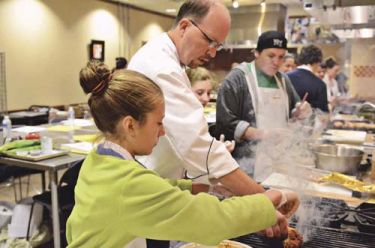
Healthy eating advice usually comes with healthy recipes, with their implied simplicity. Just whip them up in the kitchen and voilà! A healthy meal is born. But for some people, the cooking process is about as alluring as getting a root canal without Novocain.
Those who cringe at the thought of cooking are at a disadvantage. Healthy eating often involves cooking with fresh food, rather than opening a package. Though cooking comes naturally to some people, most of us have to learn and practice.
“It’s all about not being intimated, and being more comfortable,” says Angela Volta, manager of the Wegmans Cooking School.
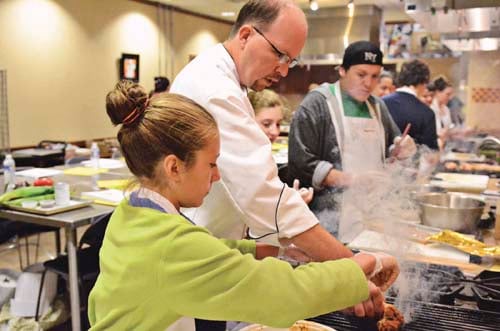
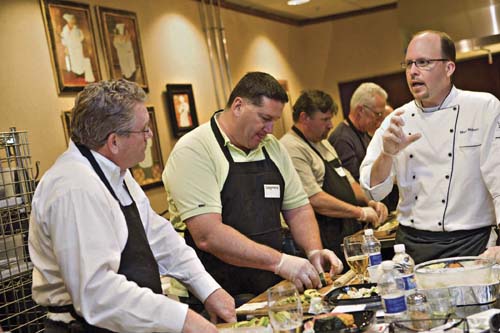
Since 2005, the grocery chain has offered hands-on and demonstration classes to help its customers make tasty use of the produce, meats and other items they pick up at the store.
Wegmans Cooking School executive chef Mark Makovec says busy people usually think they can’t pull off a good meal, assuming it’s more complicated than it really is.
“A lot of us can be really happy with some simple ingredients and simple details,” Makovec says. “The key is to learn techniques, not the recipe. Then someone can open the refrigerator, and apply the techniques and make a meal. It’s about cooking it beautifully, and it doesn’t take all that much effort.”
Something as simple as pan-seared chicken breast and frozen vegetables offers a healthy, delicious meal. Most folks don’t need anything new in the kitchen, either.
“Knives: You need a chef’s knife and a serrated knife,” Makovec says. “Pans: a saute pan, a stock pot and a braising pan. That’s the one some people may need to get. It’s a deeper saute pan for longer cooking techniques like a pot roast.”
Most people have these basic tools. Once you’ve got them in hand, the next step is to learn the basics. At the Wegmans classes, students explore simple techniques through the Mastering the Basics series. The Slice and Dice class is popular, and Volta says it’s a chance for students to become more comfortable with knives, and try new foods, too.
“People learn use produce and get the most out of it, like a red pepper,” she says. “Many people have never had an avocado. They build confidence and try new things.”
Then come classes that teach techniques such as pan searing, stir-frying and grilling to get flavor and nutrition from food—without adding fat.
Watching Food Network is a great way to become acquainted with new foods and techniques, but both Volta and Makovec recommend taking a class to help you bring the knowledge into your own kitchen.
“You can watch it on TV, but you can’t ask the TV a question,” Makovec says.
Don’t worry about feeling out of place, even if you can barely boil water. Cooking class students are all out for the same thing—to make better meals. And they help one another.
“Everyone comes to our classes—people just starting out on their own, people who want more family time, men and the elderly,” Makovec says. “We help people not feel vulnerable, by working together and having the chef’s help. I’m in this to make sure people can cook better.”
If you can’t get to a class, videos and magazines can also help you along the way. Wegmans has many instructional videos on its website. Wegmans pairs techniques and recipes in its magazine, Menu.
Makovec says if you learn some basic techniques, plus how to be efficient and organized in the kitchen, you’ll be eating your own homemade meals as quickly as you can pick up your fork.
“You’ll be able to do more, and make it less of a chore,” he says. “You can have a super easy meal in 15 minutes.”