
Don't Forget Fiber
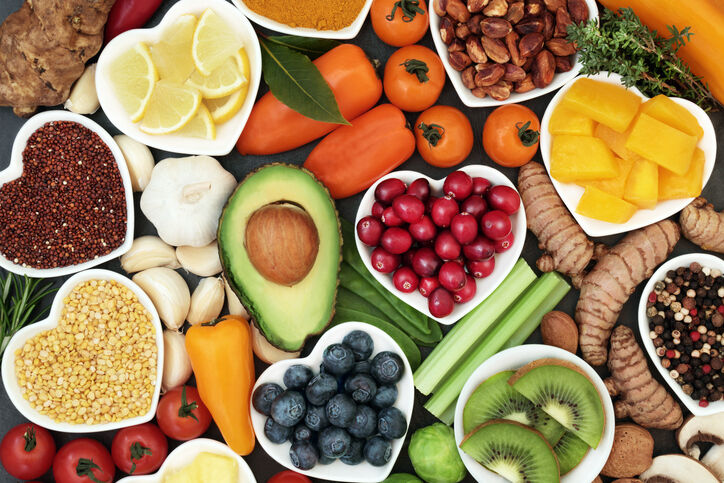
One of the best ways to maintain your health is by following a well-balanced diet, and a crucial part of that balance is fiber.
Fiber is an indigestible carbohydrate found naturally in many plants and grains and is best known for aiding the digestive process. But fiber has additional benefits beyond keeping you regular.
“[Fiber] can aid in digestion, help maintain a healthy weight and lower the risk of heart disease, stroke and some types of cancer,” says Trista Best, a registered dietitian at Balance One Supplements. “Fiber also helps regulate blood sugar levels and can improve cholesterol levels. It also helps keep you feeling full, reducing the chances of overeating and weight gain.”
According to the United States Department of Agriculture (USDA), a healthy intake of fiber is 14 grams for every 1,000 calories that you eat. A 2,000 calorie-diet should therefore include 28 grams of fiber every day.
“To hit your recommended amount of daily fiber, prioritize fruits and vegetables at every meal and try to choose whole grain options when you can,” says Christine Byrne, a registered dietitian and the owner of Ruby Oak Nutrition.
Byrne says she doesn’t give strict meal plans, but if someone wanted to follow a diet that hits the daily recommended intake for fiber, there are a few meals that can help.
- Breakfast: Rolled oats with berries and peanut butter.
- Lunch: A big salad with leafy greens, cherry tomatoes and avocado for fiber content, as well as cheese and salmon for protein.
- Dinner: Cooked farro with carrots and parsnips, served with steak.
You don’t just have to focus on incorporating high amounts of fiber into your meals, either. There are plenty of quick snacks that can have a high fiber content, like fresh fruit and vegetables.
“Fruits and vegetables make great fiber-rich snacks, especially when paired with other fiber-rich foods like hummus, nuts or nut butters,” Byrne says.
While it’s important to hit the daily recommended intake for fiber, it is possible to have too much fiber in your diet. If that happens, it can result in stomach discomfort and potential digestive issues, according to Best.
“Some signs and symptoms of ingesting too much fiber include bloating, gas, constipation, diarrhea and abdominal cramping,” Best says. “Additionally, consuming large amounts of insoluble fiber without drinking enough water can cause fecal impaction and intestinal blockages.”
Consuming too much fiber is an issue that can potentially be resolved by drinking water, but if pain and symptoms persist, Best recommends consulting with a doctor or nurse.
“If you think you have eaten too much fiber and are experiencing discomfort or digestive issues, it is important to stay hydrated and gradually reduce your fiber intake,” Best says. “Drinking plenty of water can help soften stool and prevent constipation. If symptoms persist or worsen, it is important to consult a healthcare professional.”