
Clean and Green: Eco-friendly tips for a healthier home
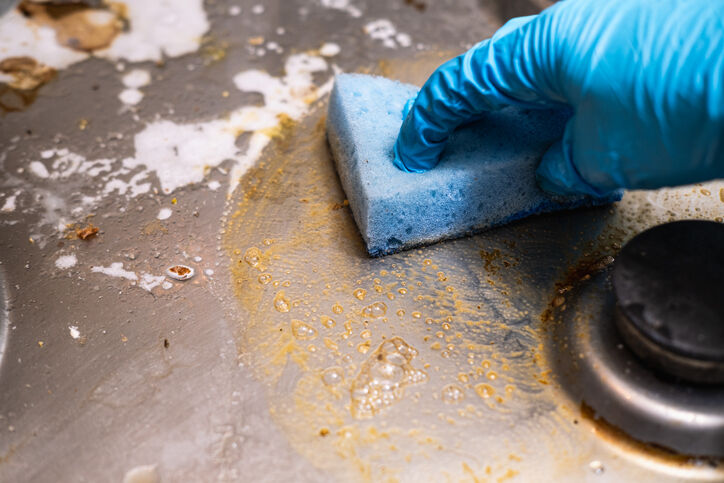
People are becoming increasingly aware of hidden chemicals lurking in traditional cleaning products. Switching to natural alternatives can reduce pollution and waste, but also poses some risk.
While synthetic chemicals in traditional products undergo extensive testing, natural products often don’t, and federal regulations don’t require manufacturers to list every ingredient. For example, “fragrance” could mean a cocktail of undisclosed chemicals, some of which can irritate or cause allergic reactions.
"For many synthetic chemicals, extensive testing has been done on animals and in labs to assess toxicity,” says Dr. Cyrus Rangan, director of the Bureau of Toxicology and Environmental Assessment at the Los Angeles County Department of Public Health. “We advise that with natural products, it’s often more about how they’re used and mixed than the ingredients themselves.”
The good news? Eco-friendly cleaners are effective and cost less than commercial products. And you probably already have many of these items:
- Baking soda: Cleans and scrubs showers, sinks and tough stains
- Vinegar: Cleans floors, toilets, bathtubs, counters and glass
- Rubbing alcohol (70% concentration): Disinfects surfaces and cleans glass; stronger disinfectant than vinegar
- Lemon juice: Deodorizes and bleaches disposals, refrigerators, sinks, tubs and microwaves
- Essential oils: Break down grease, kill bacteria and mask odors
- Hydrogen peroxide: Removes stains and disinfects
- Castile soap: Cleans dishes, laundry, windows and floors
- Olive oil: Polishes stainless steel and wood; removes stubborn residue
Rangan applauds consumers for wanting safer cleaning products but cautions that “natural” doesn’t always mean “worry-free.” He explains, "In medicine, we prioritize assessing risks over efficacy."
Of the 62,000 chemicals approved for use in the U.S., only 300 have been tested for safety, according to the Environmental Working Group.
Store-bought cleaners may leave behind residues that affect indoor air quality, bothering people with allergies or asthma. Wondering where to start? Look for the Environmental Protection Agency’s Safer Choice label or check out the “Think Dirty” app for product insights.
Clean care-fully
While eco-friendly options are typically safer, handling them with care is vital. For instance, the Centers for Disease Control and Prevention warns hydrogen peroxide over 10% can burn skin or damage lungs if inhaled. Mixing bleach with ammonia or vinegar releases toxic gases that can irritate eyes and mucous membranes. Even essential oils pack a potent punch — the National Institute of Environmental Health Sciences cautions that they can cause skin irritations or allergic reactions when sprayed.
Here’s to polishing your natural cleaning know-how. As Rangan suggests, do your homework and stick to reputable sources like the EPA and EWG for guidance.