
Choosing soap for your home
What you should know when it's time for a new bar or bottle
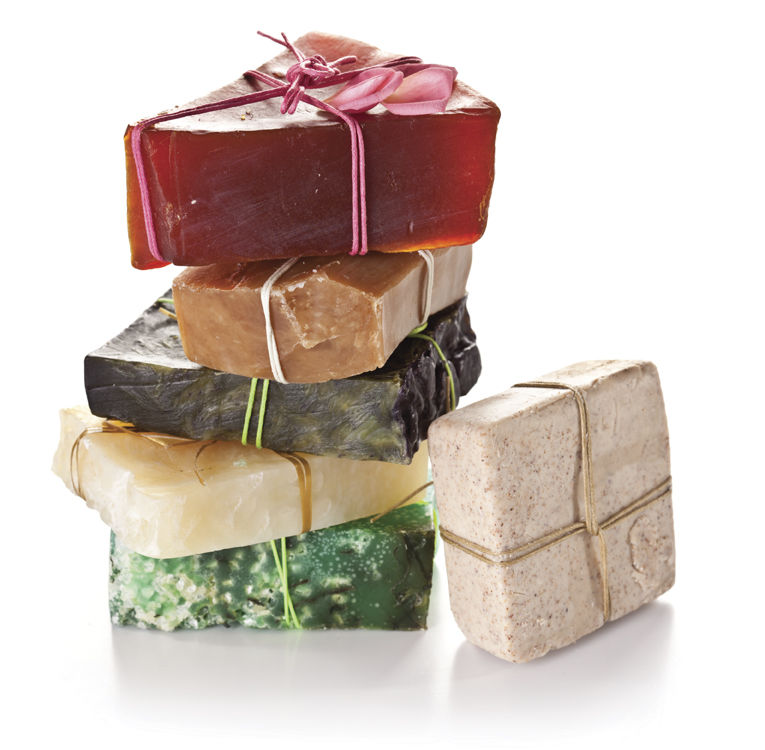
With so many options available for bar soap and liquid cleansers, it’s difficult to know what’s truly best for your skin. Both artisan soap makers and corporate manufacturers tout the benefits of their particular brands, boasting the benefits of the various ingredients each includes. While there is still much debate on the subject, it’s helpful to understand the various points of view, ranging from medical professionals to all-natural soap makers, as to what makes soap good.
Dermatologist J. Erin Reid, M.D., M.P.H., says that while there are a number of soaps and cleansers available on the market, it’s important not to over-use either.
“Soaps have a higher pH than the skin, so they can be more irritating,” she says. “I recommend that when bathing or showering, people should only wash body parts that have an odor or are obviously dirty. Plain water is effective to wash other areas of the body without stripping the skin of the oils it needs to maintain moisture.”
Reid recommends avoiding anti-bacterial soaps.
“Soaps labeled as anti-bacterial are not necessary,” she says. “Many people use these soaps thinking they are more likely to prevent the spread of infection, but the safety of some of the chemicals used in these soaps has not been proven for everyday use.”
Erica Harding, soap maker and owner of Herbane Naturals, an online soap boutique, recommends consumers look for key ingredients such as essential oils, fatty natural oils like coconut oil, as well as teas and herbs.
“The main thing I look for when buying soap and body products is that they contain essential oils instead of fragrance oils,” Harding says. “Fragrance oils can be synthetically made from thousands of chemicals; it’s what goes on inside of a candle and it’s not for your skin.”
Harding recommends finding soaps that use essential oils derived from the steam distillation of a plant. “Each essential oil and herb has its own unique property,” she says.
Ingredients to avoid, Harding says, include fragrance, Triclosan, an antibacterial compound, and parabens.
Another factor to consider when purchasing soap is your skin type. Reid advises those with dry skin to avoid soap entirely.
“There is actually a difference between bar soaps and cleansers,” Reid says. “People with dry skin should use mild cleansers instead of soaps, since soaps tend to be harsher.”
She says that people with dry skin often have more sensitive skin and should use products free from fragrance and dyes. “Anyone with dry skin should follow hand washing, showering or bathing with a thick, creamy moisturizer,” Reid says.
Harding suffers from dry skin and follows cleansing with a liberal application of coconut oil.
“Coconut oil is great for dry skin and that is our main and only base at Herbane Naturals,” she says.
Those with oily skin should be careful not to over scrub acne-riddled areas, as this can lead to more irritation and infection. Natural ingredients that Harding recommends for those with oily skin include activated charcoal and tea tree oil.
There is certainly no shortage of soap varieties and natural ingredients available to consumers in today’s world of e-commerce. Choosing the best soap for you all depends on understanding your skin type and composition.