
Chill Out: Six cold-weather activities to embrace in nature’s playground
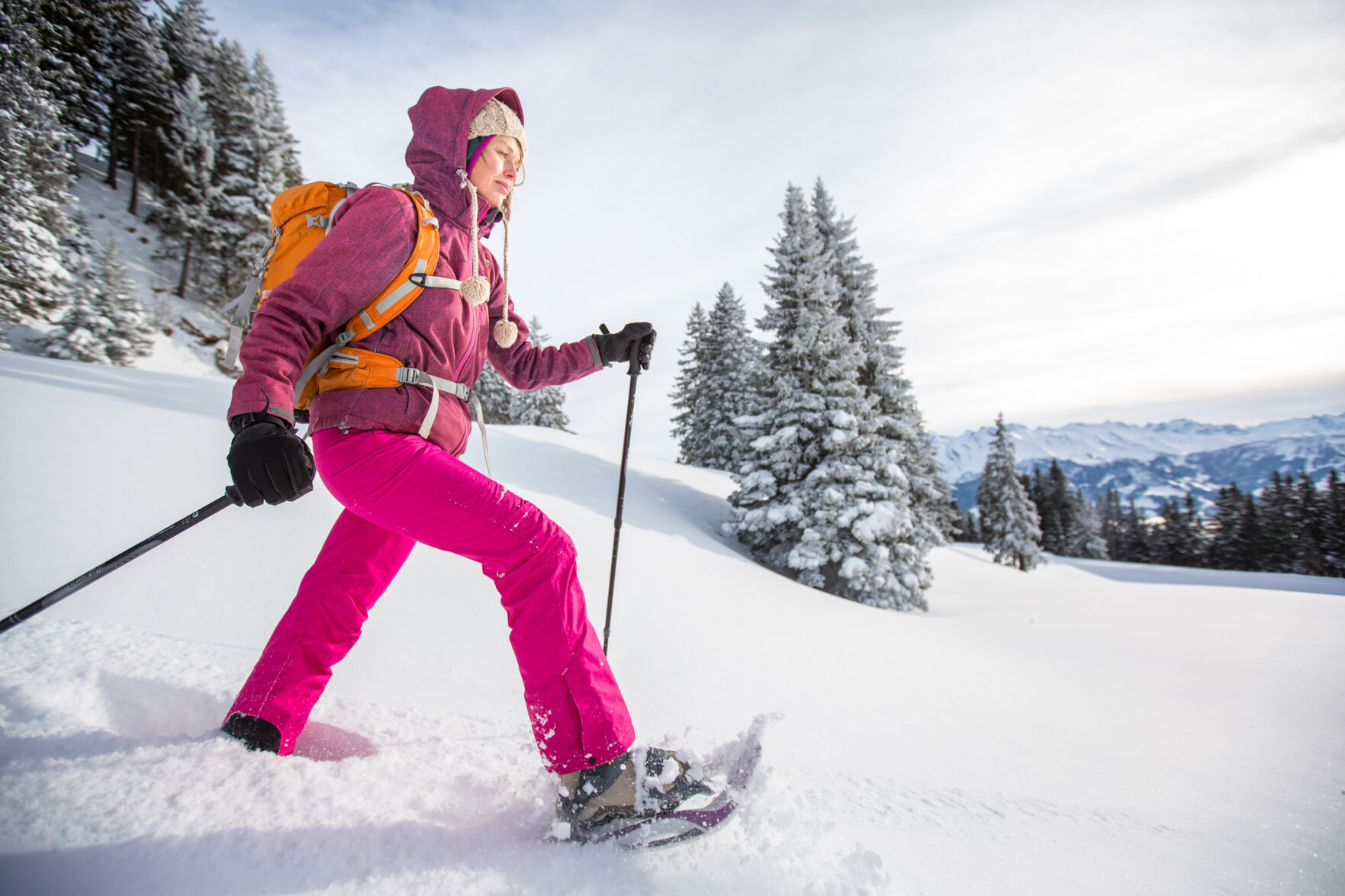
The warmer months offer many enjoyable ways to stay fit outdoors. But even in chilly weather conditions, there are many activities to burn calories, boost endurance and connect with nature. Sports like cross-country skiing, snowshoeing, running, cycling or hiking are just some.
When we may be cooped up inside, exercising outdoors can lower stress and anxiety, improve mood and increase vitamin D levels. And studies show exercising outside in the cold weather helps burn more calories because your immune system works harder to warm your body while maintaining an elevated heart rate.
Cross-country skiing
This low-impact, full-body sport engages nearly every muscle group. Cross-country skiing’s fluid, gliding motions strengthen the entire body. Gliding engages core muscles, especially the obliques, and laterally stabilizes hips. Shifting your weight and using narrow skis challenges and improves balance. Unlike high-impact exercises, it’s gentle on the joints — especially hips, knees and ankles. And if you use poles to help propel forward, you’ll strengthen your shoulders, triceps, biceps and back. Choose between groomed trails, frozen lakes or tougher, unmarked trails, such as on a mountain slope.
Janka Flaska has cross-country skied for 20 years.
“I love it,” she says. “It’s great exercise and a way to get outside without the hassle of driving to the mountains to ski downhill. I can connect with friends in nature. And it’s affordable.”
- Calories burned (per Vcalc): 413-838/hour (depending on weight, speed, intensity and terrain)
Snowshoeing
Regular participants say, “If you can walk, you can snowshoe.”
In 2023, about 4.5 million people in the U.S. snowshoed, according to Statista. This activity engages your calf muscles, quads, hamstrings and core. If you use poles, it also fires up your shoulders and back. Gentle on the knees and joints — with the snow acting as a cushion — snowshoeing is easy to learn, affordable and a great cardiovascular workout for the whole family. Focusing on strength, endurance and core muscle enhancement, this low-impact activity burns up to twice as many calories as walking at the same pace.
Snowshoe guide John Laughlin loves the sport’s meditative aspect.
“It’s exhilarating and rejuvenating,” he says. “Sometimes I just stop to recharge and enjoy the silence. You can make it as easy or intense as you want, without the impact, and you’ll get in shape fast.”
- Calories burned (per TSL Outdoor): 400-600/hour (depending on body weight, snow conditions and pace)
Running
Running is a high-impact, full-body sport that requires minimal equipment, just running shoes and a headlamp or reflective vest if dark outside. You can run almost anywhere. Key muscles used include quadriceps, hamstrings, calves, glutes, hip flexors and core, plus arms and shoulders for momentum and balance. Running boosts endurance, strengthens bones and muscles and improves balance.
Podiatrist Tim Maiden notes many runners land on their heels first, which can create impact equivalent to two to three times their body weight hitting the ground with each step. This intense impact can increase injury risk from the foot to the hip. If you move to a forefoot or midfoot strike, impact is distributed more evenly, lessening injury risk.
Many love it for the mental as well as physical workout it can provide.
“Running is a solo sport,” says avid road and trail runner Mandy Valentine. “It’s your own mind and energy that push you, and you get to enjoy the beauty of nature. I love how invigorating and powerful I feel when running.”
- Calories burned (via Shape): 446-783/hour (depending on pace, terrain and weight)
Cycling
Cycling is a low-impact exercise that easily shifts from indoor riding on a stationary bike in inclement weather to outdoor riding on dry winter days or in the spring. It can foster camaraderie if you ride with friends or be more meditative if you ride alone. More eco-friendly than driving, it builds lower-body strength while being gentle on the knees, back and ankles.
Cycling increases stamina, strengthens lower-body muscles (quads, hamstrings, glutes and calves) and engages the biceps, triceps, forearms and core. Potential benefits include improved cardiovascular health and weight loss. Consider riding an electric bike or e-bike for less stress on your joints.
Road- and mountain-biking enthusiast Greg Biegen finds cycling “fun, challenging and breathtaking — in terms of exertion and the views.” He adds, “I love being outside, feeling the wind on my face and seeing beautiful scenery. It’s relaxing and comforting, even when it’s very cardio intensive.”
- Calories burned (per Captain Calculator): 250-800/hour (depending on terrain, body weight, resistance, speed and type of bike)
Hiking
Hiking combines cardio, low-impact exercise and resistance training using your own body weight, which helps boost your stamina and improve your mental health. It’s easy to hike alone or enjoy conversation with friends or family during your outing. According to Washington Trails Association, walking on uneven terrain, like on hiking trails, can burn 28% more calories than on flat ground. Whether you stick to level ground or climb, scramble on rocks or ascend a hill or mountain, you’ll activate your quads, hamstrings, calves, glutes, hips and abdominals. Using trekking poles transfers some of the load from your knees to your arms.
Avid hiker Juliet Berzsenyi looks forward to the sport’s social aspect.
“It allows me to escape from the city and enjoy the scenery, great company and the journey while working out,” she says.
- Calories burned (per Vcalc): 354-558/hour (depending on terrain, body weight and whether you’re carrying a backpack)
Ice Fishing
A winter activity growing in popularity, ice fishing involves dropping a line through an opening in the ice of a frozen body of water to catch fish below the surface.
Because several people can fish at a single hole at the same time, you’ll enjoy each other’s company and conversation. If you’re taking in nature’s beauty alone, this meditative state lowers stress and encourages mindfulness.
If you cook and eat the fish you catch, you can improve your heart and brain health and lower your risk of cardiovascular disease. Fish is a high-quality protein, low in saturated fat and high in omega-3 fatty acids. Salmon and trout are top choices.
Brian “BRO” Brosdahl, pro fisherman and influencer, has ice fished for 52 years.
“Ice fishing centers your soul,” he says, adding that safety precautions should be taken seriously. “I feel more alive. It’s about camaraderie and can be an escape. In a world of distractions, ice fishing is something to do that has nothing to do with life’s daily stress.”
- Calories burned (per the Wisconsin Department of Health Services): 118 to 163 calories/hour (sitting), and more if you clear and drill multiple holes or haul a sled on the ice
Nature's calling! Whether you embrace ice-olation or exercise with a group, warm up your body and senses while savoring the season’s charm.